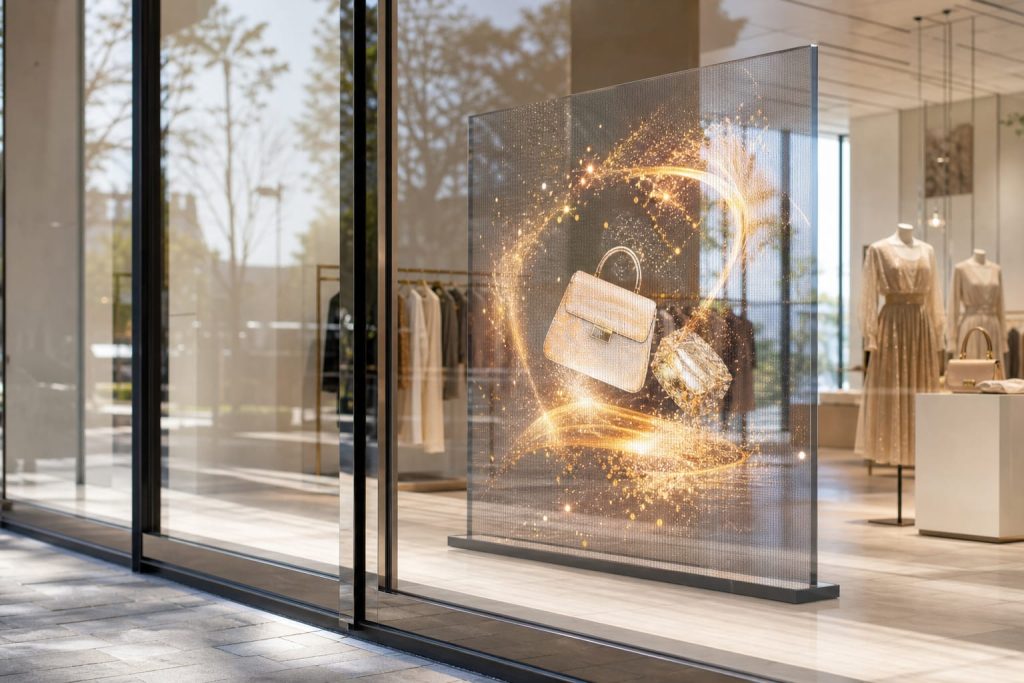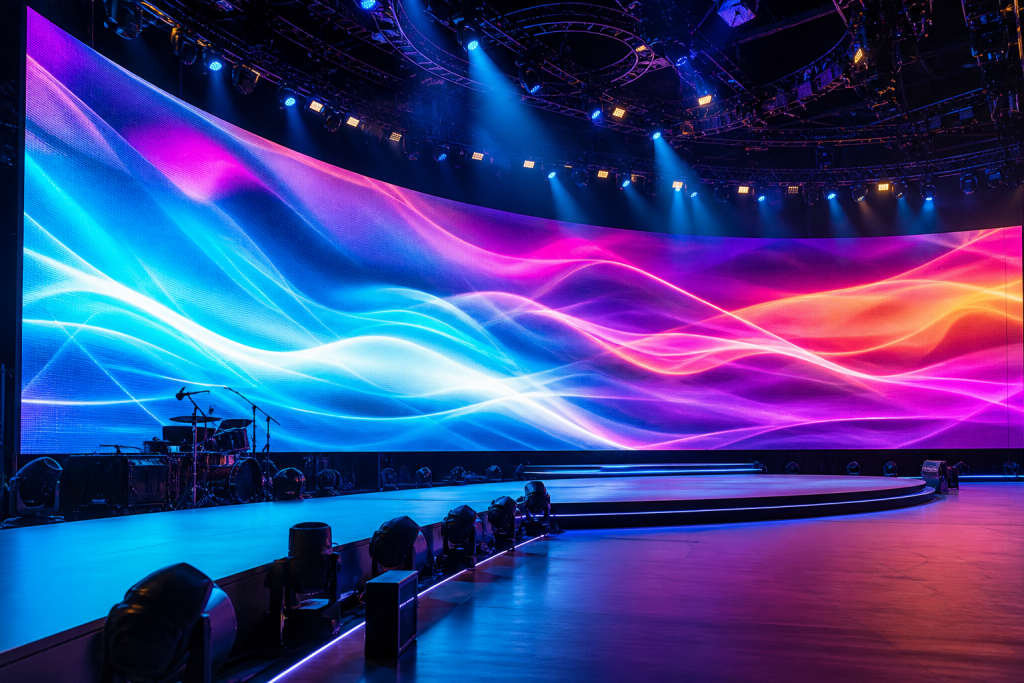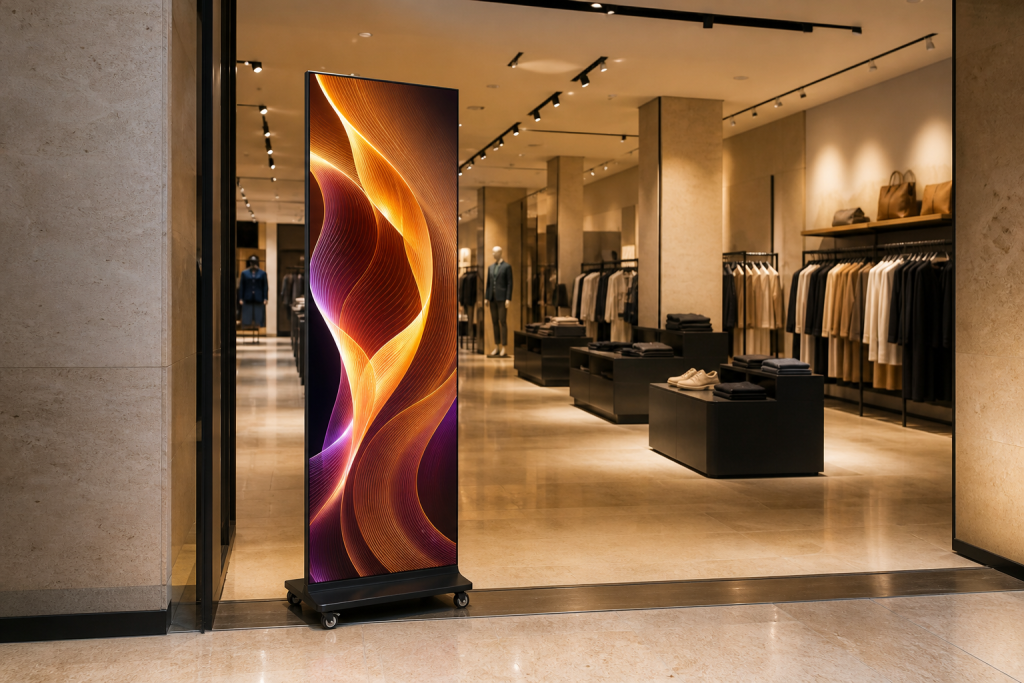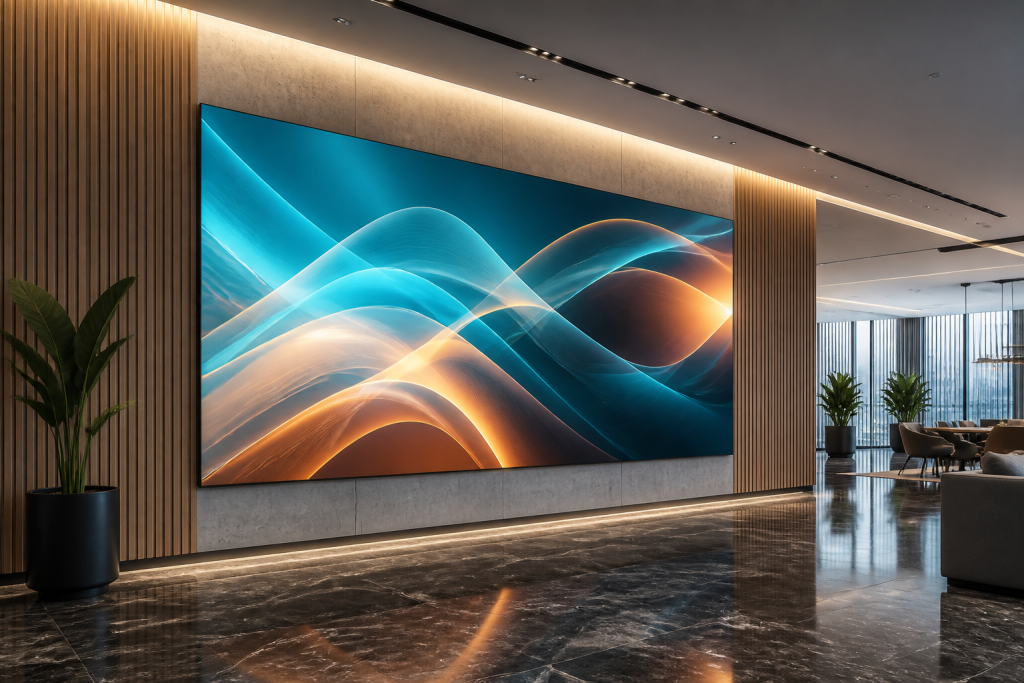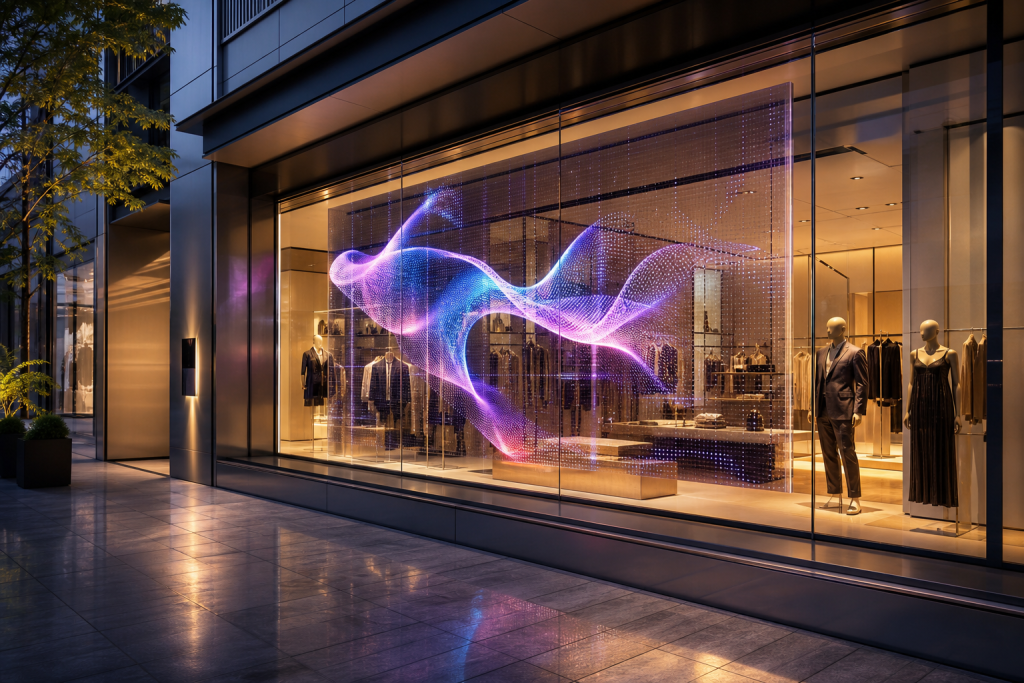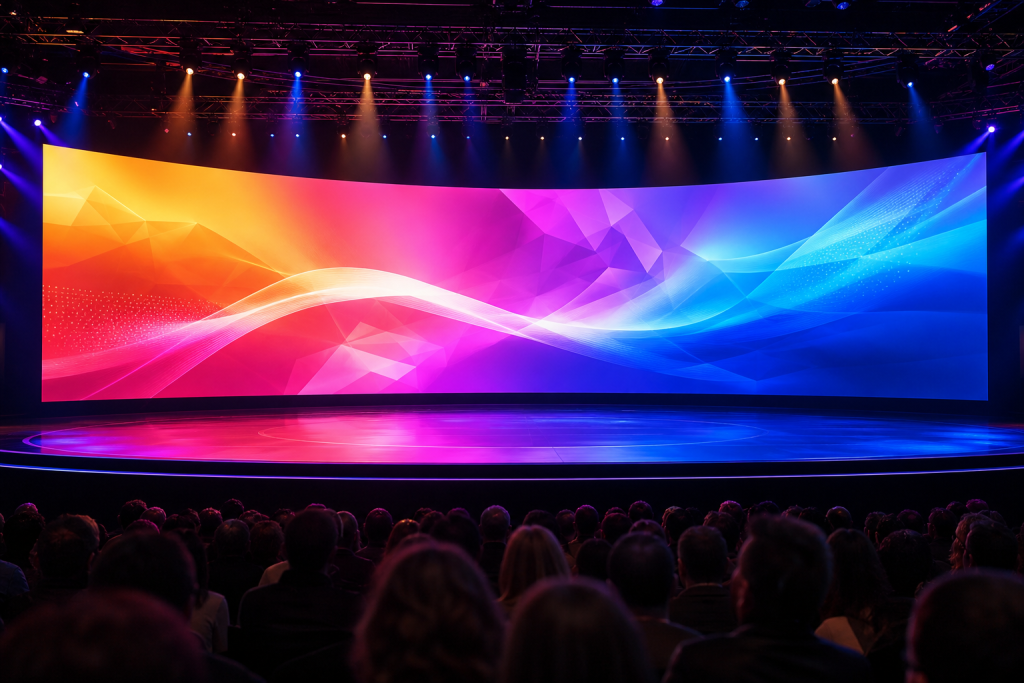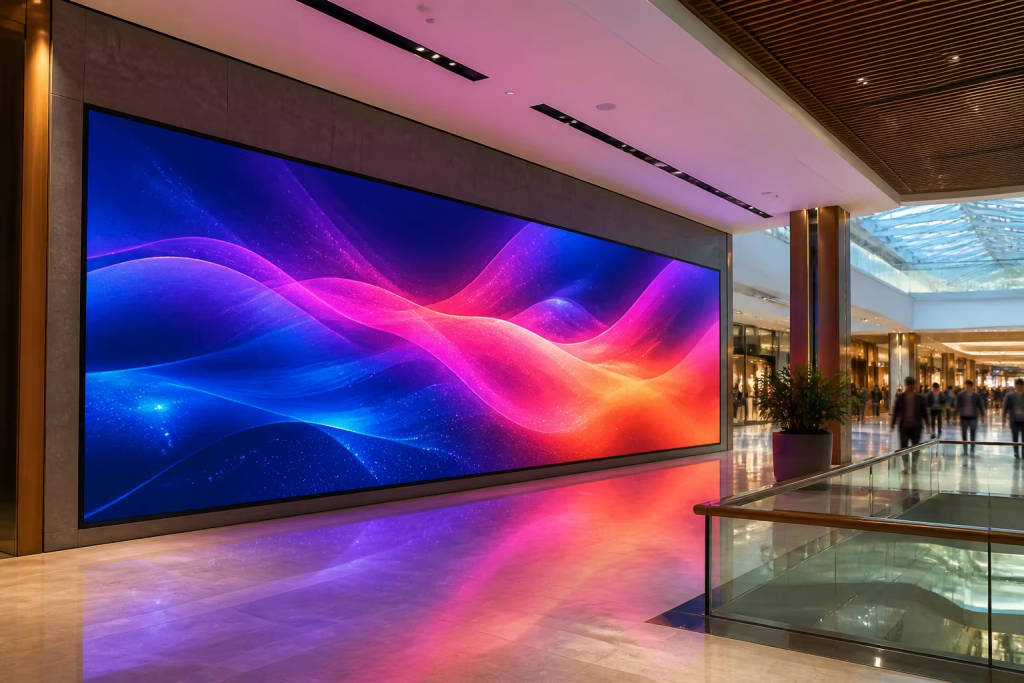
A flexible LED display for sale is often the right choice when a project needs curved shapes, creative layouts, or non-standard installation. Unlike rigid LED products, flexible modules can adapt to arcs, cylinders, waves, and custom surface designs. That makes them useful for retail stores, exhibitions, showrooms, museums, and branded spaces where visual design matters as much as screen performance.
For buyers, the main challenge is not just finding a flexible product, but finding one that can balance image quality, bending performance, installation reliability, and long-term maintenance. USER LED’s materials show a dedicated soft module series with flexible circuit boards, multiple pitch options, and support for curved screen applications, which makes it relevant for creative commercial projects.
Why Flexibility Matters
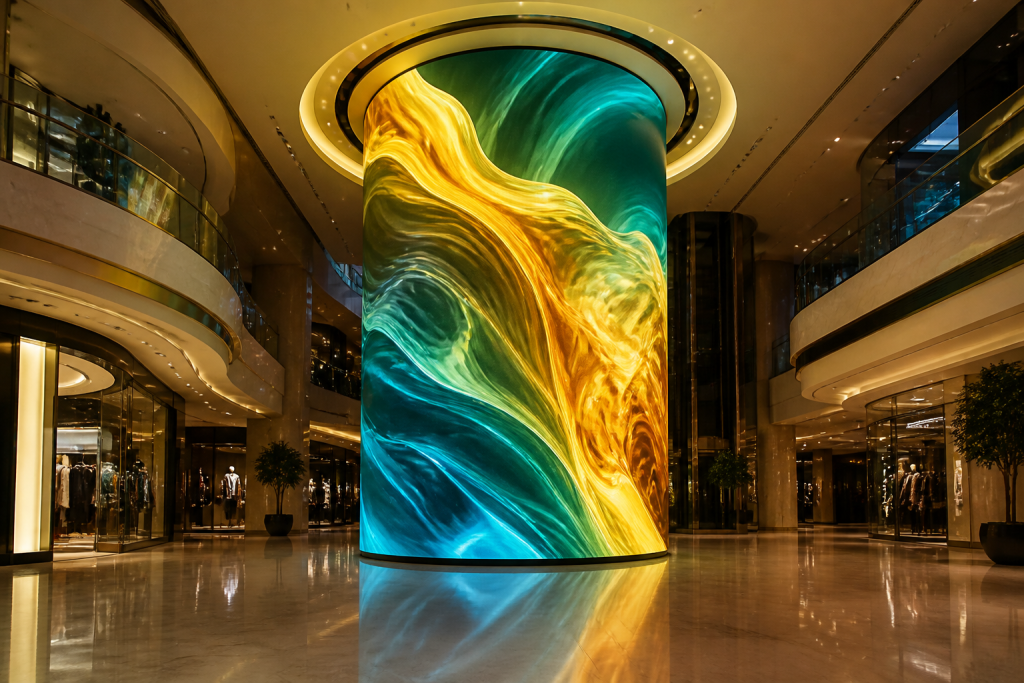
Flexible displays open up more design possibilities than flat panels. They can wrap around columns, form curved feature walls, and support immersive brand installations. This is valuable in modern commercial spaces where architecture and digital media must work together. USER LED’s project materials include flexible display applications in shopping malls, retail stores, and custom indoor spaces, showing the practical use of this technology.
Flexibility is also useful for projects with limited structural freedom. A column, corner, or circular wall can become an active display surface instead of a dead zone. That allows designers to improve spatial efficiency and create stronger visual identity. For brands, this can turn a simple display into an architectural feature.
Key Specifications To Check
When reviewing a flexible LED display for sale, buyers should pay attention to pixel pitch, curvature range, brightness, and cabinet weight. The catalog shows flexible module options such as P1.53, P1.86, P2, and P2.5, which gives buyers a choice between sharper close-view detail and more cost-efficient larger-format visuals. It also notes that the flexible module structure is designed for repeated bending and creative installation.
Buyers should also ask about installation method and maintenance access. Flexible products often require careful structural planning, especially for cylindrical or wave-shaped designs. If the screen is front-maintenance friendly or modular enough for quick replacement, future servicing becomes easier. These points matter because a creative screen is only valuable if it remains practical to operate over time.
Common Project Uses
Flexible LED displays are frequently used in retail branding, exhibition booths, hotel lobbies, entertainment spaces, and cultural venues. They are especially effective where standard rectangular screens would look ordinary or visually disconnected from the architecture. USER LED’s case records show flexible screen installations in malls and store environments, demonstrating that the product can support premium commercial storytelling.
A flexible screen can also improve audience engagement. Curved content often feels more immersive than a flat presentation, especially when the display wraps around the viewer’s natural line of sight. This makes it useful for product launches, digital art spaces, and experiential marketing. For agencies and integrators, that added design value can help justify the project concept more clearly.
What Makes A Good Supplier
A reliable supplier should provide more than product photos. Buyers should look for tested bending performance, stable module quality, clear technical specifications, and engineering support for custom shapes. USER LED’s catalog and company profile describe modern production lines, ISO-based management systems, and international certifications, which suggest a mature manufacturing process. These details matter because flexible products need consistent assembly accuracy.
It is also useful to ask for similar project references. A supplier with real case experience can help avoid common mistakes such as poor radius planning, weak structure support, or unsuitable viewing distance selection. USER LED’s materials show flexible LED cases in multiple countries, which can support confidence for international buyers. For product inquiries, the official website is https://www.userledscreen.com/.
Buying Advice
Start by defining the shape and viewing distance before selecting a flexible display. A curved wall for close indoor viewing will need a different pitch and brightness level than a larger decorative structure. Buyers should also consider whether content will be text-heavy, video-heavy, or animation-driven, since that affects resolution planning. A clear brief usually produces a more accurate quotation and a better final result.
For long-term use, also check service support, spare modules, and structural compatibility. A creative screen may look simple on the outside, but it still depends on stable control, power, and mounting design. USER LED’s broader indoor and creative display portfolio makes it a practical supplier reference for buyers seeking flexible commercial solutions.
Conclusion
A flexible LED display for sale is best viewed as a creative display platform, not just a product. It brings design freedom, stronger branding potential, and better use of architectural space. When the supplier has both engineering experience and commercial display expertise, the result is easier to install and easier to maintain. USER LED’s flexible product series and project references make it a strong starting point for buyers planning custom indoor LED installations.