What Is an Aluminum Profile Cabinet LED Video Wall?
An aluminum profile cabinet LED video wall consists of LED modules mounted on precision‑engineered frames made from aluminum extrusions. These cabinets form the structural backbone of the display, ensuring accurate alignment, mechanical stability, and effective thermal management.
Compared with traditional iron cabinets, aluminum profile cabinets provide:
- Lower weight, which simplifies installation and reduces load on building structures
- Superior heat dissipation, which improves LED lifespan and stability
- Better corrosion resistance and weather performance for outdoor use
USER LED’s FC outdoor cathode energy‑saving series is a prominent example of an aluminum profile cabinet video LED wall platform, offering pixel pitches such as 4.4 mm, 5.7 mm, 6.67 mm, and 8 mm. These products are designed for high‑brightness, energy‑efficient outdoor video walls used in advertising, sports, and public information.
Key Technical Features of Aluminum Profile Cabinet Video LED Walls
When evaluating an aluminum profile cabinet video led wall, pay attention to the following technical features.
- Cabinet structure and alignment
- Aluminum profiles are CNC‑machined or precision‑extruded, providing high dimensional accuracy and smooth edges.
- This ensures seamless splicing between cabinets, minimizing visible gaps in the video wall.
- USER’s FC series uses 960 × 960 mm aluminum profile cabinets designed for fast maintenance and reliable outdoor sealing.
- Heat dissipation and energy efficiency
- Aluminum’s high thermal conductivity helps transfer heat away from LED modules and power supplies.
- Combined with common‑cathode energy‑saving designs, this significantly reduces thermal stress and power consumption.
- USER’s FC series implements multi‑level dynamic, black‑screen, and full‑screen energy‑saving modes to optimize power usage under different content and brightness conditions.
- Protection rating and durability
- Outdoor video walls must withstand rain, dust, and temperature variations; IP65–IP66 ratings are common for high‑quality cabinets.
- USER’s FC cabinets are rated IP66 and designed with robust waterproof structures and fire‑resistant materials, helping to prevent combustion and improve safety.
- Visual performance
- Aluminum profile cabinet walls can support brightness of around 5,000–7,500 nits for outdoor readability, with refresh rates around 3,840 Hz for smooth video.
- FC series cabinets use SMD1921 or SMD2727 LEDs to balance brightness, energy efficiency, and color fidelity.
- Maintenance and access
- Many aluminum profile systems support front and rear maintenance, allowing modules and components to be serviced without large rear access spaces.
- Quick‑release mechanisms and modular design shorten maintenance time and reduce downtime.
USER LED’s Aluminum Profile Cabinet Solutions
USER LED has dedicated aluminum profile cabinet platforms for outdoor video LED walls, with the FC series being the flagship energy‑saving line.
Key features of USER’s FC series:
- Pixel pitches and configuration The FC series covers pixel pitches such as 4.4 mm, 5.7 mm, 6.67 mm, and 8 mm, allowing you to select the appropriate resolution for viewing distance and budget.
- Aluminum profile cabinet The cabinets are constructed from aluminum profiles, which deliver high structural strength, low weight (around 25 kg including modules), and efficient heat dissipation.
- Energy‑saving common‑cathode design By independently powering RGB chips with optimized voltages, the FC series achieves significant energy savings and lower operating temperatures. Level‑4 energy-saving modes (dynamic, black-screen, full-screen) adapt power usage to content and brightness demands.
- High protection and reliability With IP66 protection, the FC series can handle harsh outdoor conditions including heavy rain, dust, and wide temperature ranges. Combined with USER’s ISO‑certified manufacturing and global certifications (CE, RoHS, FCC, UL, CCC), these cabinets offer long-term reliability for commercial and government projects.
- Application scenarios FC aluminum profile cabinet video walls are suitable for city center billboards, highway advertising, stadium perimeters, transportation hubs, and building façades where long‑term energy efficiency and durability are priorities.
For more technical details and case studies, you can visit https://www.userledscreen.com/ and search for articles such as “Aluminum Profile Cabinet Flexible LED Display” and “2026 Best Aluminum Profile Cabinet Rental LED Displays.”
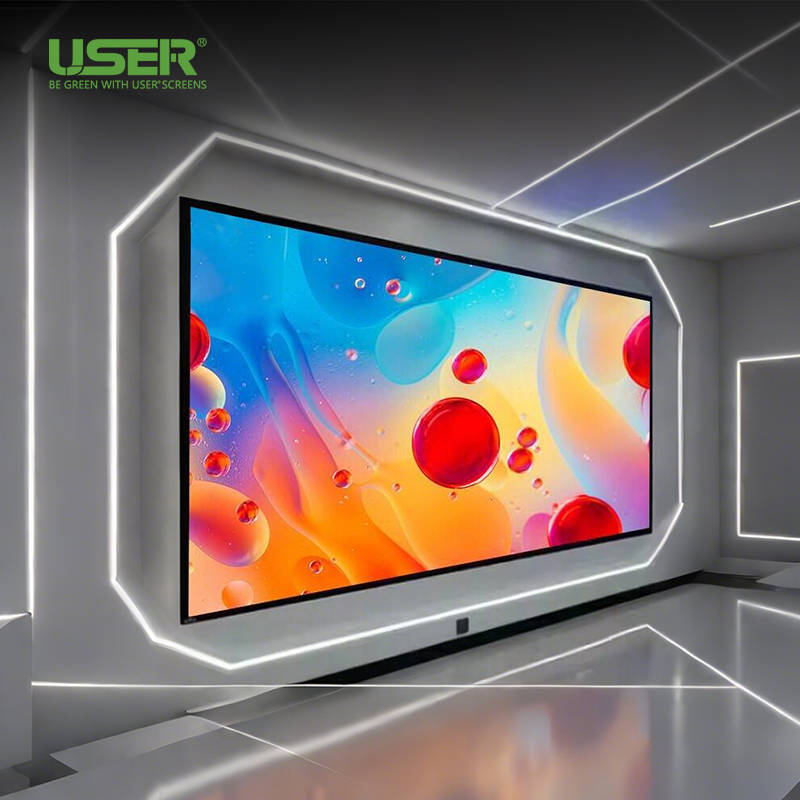
Benefits of Aluminum Profile Cabinet Video Walls for Your Project
Selecting an aluminum profile cabinet video led wall offers multiple advantages versus conventional iron cabinets or older technologies.
- Lower total cost of ownership
- Although aluminum profile systems may carry a slightly higher initial cost than basic iron cabinets, they reduce long‑term expenses through better energy efficiency and thermal performance.
- Common‑cathode energy saving and efficient heat dissipation extend LED life, lowering maintenance and replacement frequency.
- Safer and more stable operation
- Fire‑resistant materials and improved thermal management reduce the risk of overheating and related failures.
- High IP ratings protect against moisture and dust, critical for billboards and outdoor public displays.
- Lighter structure and easier installation
- Lower cabinet weight means lighter steel structures, simpler hoisting, and easier wall‑mount or column‑mount installations.
- This is especially beneficial for retrofits on existing buildings with limited load‑bearing capacity.
- Better visual performance over time
- Stable operating temperatures and optimized power design keep brightness and color more consistent across the lifetime of the wall.
- High refresh capability and wide color gamut ensure appealing visuals for advertising, live events, and information release.
How to Plan an Aluminum Profile Cabinet Video LED Wall with USER LED
To successfully deploy an aluminum profile cabinet video led wall using USER LED’s solutions, follow these stages:
- Project definition
- Clarify application: advertising billboard, stadium screen, transportation hub display, or building façade.
- Estimate viewing distance and required resolution to choose between FC4.4, FC5.7, FC6.67, or FC8 models.
- Engineering consultation
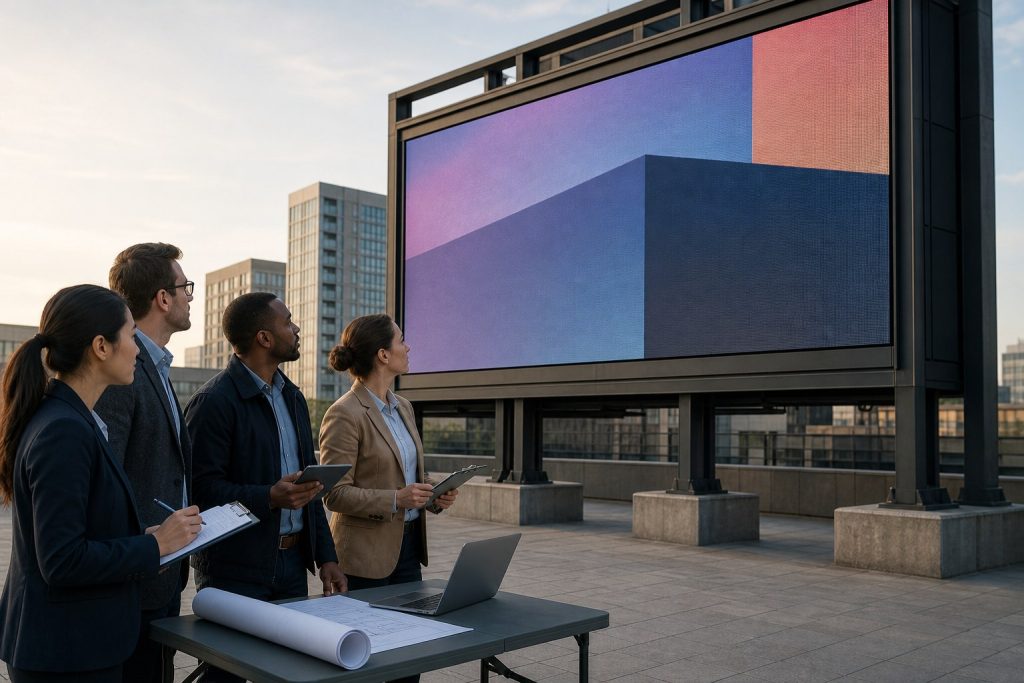
- Contact USER LED via https://www.userledscreen.com/ and share project details including dimensions, location photos, and structural drawings.
- USER’s engineers can propose cabinet layouts, load calculations, and brackets based on aluminum profile cabinet characteristics.
- Solution design and quotation
- USER LED will design a configuration that includes cabinet type, power and data distribution, control system, and energy-saving settings.
- You will receive a quotation that considers both upfront costs and long‑term power savings.
- Manufacturing, delivery, and installation
- Cabinets and modules are manufactured under ISO‑certified processes with strict aging and testing procedures.
- USER can support your local installation team with documentation, remote guidance, and, when needed, on‑site assistance.
- Commissioning and maintenance
- After installation, brightness calibration and color uniformity optimization are carried out to ensure a seamless video surface.
- The common‑cathode and IP66 cabinet design makes ongoing maintenance more straightforward and reduces service frequency.
By combining aluminum profile cabinet engineering with USER LED’s energy‑saving design and global project experience, you can build a high‑impact video LED wall that balances performance, reliability, and long‑term operating cost.