
Poster LED Display Market – Size, Trends, Opportunities and Vendor Selection Guide
The poster LED display market has become one of the most dynamic segments in digital signage, driven by retail upgrades, smart city projects, and the shift from static ads to data‑driven campaigns. From shopping malls and airports to events and exhibitions, LED posters are replacing printed banners and traditional LCD stands with brighter, more flexible and more profitable solutions.
As businesses look for higher ROI and lower total cost of ownership, understanding how the poster LED display market is evolving has become essential for integrators, franchise owners and brand marketers. This guide explains market size and trends, the technology behind LED posters, and how to select a reliable manufacturer such as USER LED (https://www.userledscreen.com/) for your next rollout.
Global poster LED display market overview
Market research indicates that the global LED poster display segment is growing steadily as part of the broader LED video display industry. Analysts project LED poster revenues to climb at a mid‑single to high‑single‑digit CAGR through 2026, driven by retail, hospitality, transportation hubs and exhibition venues.
At the same time, fine‑pixel‑pitch LED (around P1.5–P2.5) is taking a larger share of the overall LED video market, especially in Asia and emerging markets such as Southeast Asia, the Middle East and Latin America. These regions are investing heavily in digital out‑of‑home (DOOH), smart city programs and shopping mall upgrades, all of which directly benefit poster LED display demand.
Why advertisers are shifting from LCD to poster LED displays
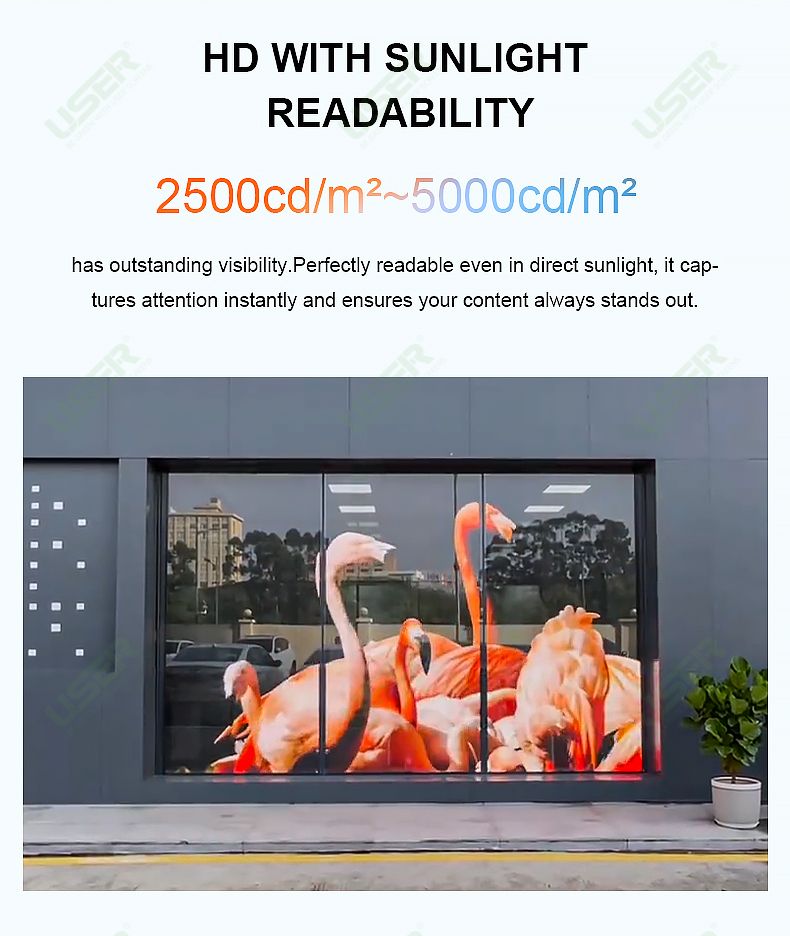
A modern commercial poster LED display delivers significantly higher brightness than typical LCD signage, often ranging from 1,000 to over 3,000 nits for standard indoor models. For window‑facing or semi‑outdoor applications, brightness can reach 5,000–10,000 nits, ensuring clear visibility in strong ambient light where LCD panels usually appear washed out.
LED posters also provide deep contrast, wide color gamut and high refresh rates, creating smoother motion and more vivid images that stand out in busy environments. Because each pixel emits light directly and black pixels are effectively “off,” LED posters can achieve contrast levels that LCD backlit panels cannot match.
Core technical specs shaping the market
Several technical parameters define how poster LED displays compete and evolve:
- Pixel pitch Fine pixel pitch (P1.25–P2.5) enables high‑resolution content at close viewing distances typical for retail walkways and mall corridors. Many premium posters now adopt mini LED or COB packages in this range to offer cinema‑like clarity in compact sizes.
- Brightness and refresh rate Indoor poster LEDs generally start at 1,000 nits and can go beyond 3,000 nits, paired with refresh rates up to 3,840 Hz for flicker‑free visuals on camera and to the naked eye.
- Energy efficiency Compared with legacy LCD light boxes and older LED designs, new poster LED displays can deliver more lumens per watt and longer lifespans, with many products rated for 80,000–100,000 hours of continuous operation.
- Form factor and installation Freestanding, hanging, wall‑mounted and multi‑screen splicing configurations are all common in the poster LED segment. Foldable and portable poster designs make logistics easier for rental, events and pop‑up campaigns.
Application trends in the poster LED display market
The most active application scenarios for poster LED displays include:
- Retail stores and brand chains Fashion, cosmetics, electronics and lifestyle brands use LED posters at entrances, window displays and cash‑wrap areas to promote new collections, limited‑time offers and loyalty campaigns.
- Shopping malls and commercial complexes Malls deploy poster LED screens in atriums, corridors and elevator lobbies for tenant promotions, wayfinding, and seasonal activities such as holiday sales or back‑to‑school events.
- Airports, railway stations and transportation hubs Freestanding LED posters are popular for advertising campaigns, duty‑free store promotions and passenger guidance, because they are slim, bright and easy to relocate.
- Events, exhibitions and showrooms Rental companies and event organizers rely on portable poster LEDs for branded backdrops, registration desks and sponsor walls, taking advantage of fast setup and flexible content scheduling.
Key market drivers: ROI, flexibility and content integration
The poster LED display market is fueled by three main business drivers:
- Higher engagement and conversion Studies show that digital LED advertising campaigns typically deliver 20–35% higher engagement compared with static printed signage. Dynamic content can be personalized by time of day, audience segment or campaign phase, improving conversion and providing better data for optimization.
- Lower lifetime costs Although the initial purchase price of a LED poster may be higher than a printed banner or basic LCD screen, the lifespan, reusability and energy savings usually provide a better total cost of ownership. Content updates are digital and instant, reducing printing and logistics costs.
- Seamless integration into digital ecosystems Modern poster LED displays support networked content management systems (CMS), remote scheduling and integration with POS or CRM data. This allows retailers and media owners to run synchronized campaigns across stores, cities or countries from a central platform.
Technology evolution: mini LED, COB and fine pixel pitch
Fine pixel pitch LED continues to gain share in the LED video market, especially in the 1.5–1.9 mm range, which is ideal for poster formats. This segment benefits from innovations in mini LED packaging, driver ICs and optical coatings, delivering better brightness, HDR and energy efficiency.
Manufacturers like USER LED combine SMD, mini LED and COB technologies across their indoor poster and small‑pitch product lines to support 2K, 4K and even 8K visual performance on large spliced canvases. This enables brands to build seamless poster walls or creative installations while maintaining consistent color and brightness.
How USER LED positions in the poster LED display market
Shenzhen USER Special Display Technologies is a high‑tech manufacturer with over 10,000 m² of production space, automated SMT lines and a full portfolio of indoor and outdoor LED solutions. The company holds certifications such as ISO9001, CE, FCC, RoHS and UL, and has delivered LED projects in more than 80 countries.
In the poster LED space, USER offers indoor LED poster series with pixel pitches from approximately P1.25 to P2.5, supporting hanging, base‑standing, wall‑mounted and multi‑screen cascading installations. These products target shopping malls, retail chains, hotels, corporate lobbies and exhibition venues that require stable performance and professional after‑sales service.
You can learn more about USER LED’s poster and indoor commercial displays at https://www.userledscreen.com/.
Checklist for choosing a poster LED display supplier
When evaluating poster LED vendors, consider:
- Product range and technology roadmap (support for mini LED, fine pixel pitch and energy‑saving designs).
- Certifications, quality systems and global project references.
- Service capabilities, including remote support, spare parts and local partners.
- Content management options and integration with your advertising or retail systems.
- Transparency in pricing, warranty terms and total cost of ownership.
By combining market insights with robust vendor selection, brands can capture the long‑term value of the growing poster LED display market and secure a competitive edge in modern digital signage.