
An outdoor LED screen quotation is more than a price sheet. It is a complete plan that should reflect screen size, brightness, cabinet structure, control system, installation method, and long-term service needs. For B2B buyers, the best quotation is not always the lowest one; it is the one that matches project goals, local environment, and operating budget. USER LED provides outdoor display solutions for a wide range of commercial and public applications, and its product range includes outdoor displays with different pixel pitches, high brightness options, and weather-resistant structures.
When buyers request a quotation, they often focus on the screen price first. In practice, the total project cost also includes steel structure, power distribution, shipping, accessories, software, and installation labor. A proper quotation should separate these items clearly so that buyers can compare suppliers fairly. This is especially important for commercial projects where budget control and delivery timing matter.
What Affects The Price
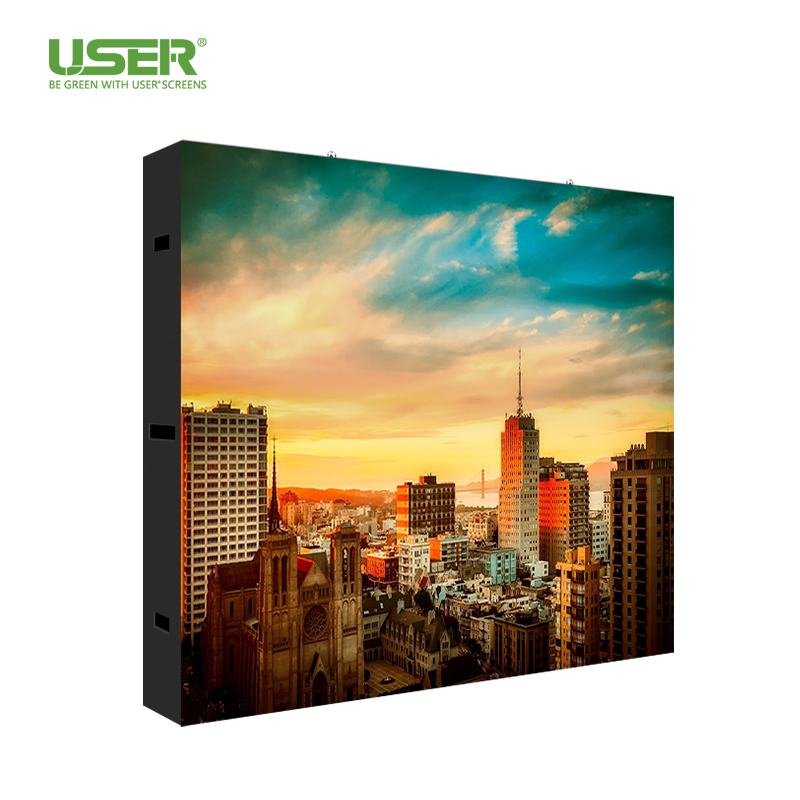
Several technical factors influence an outdoor LED screen quotation. Pixel pitch is one of the most important, because it affects viewing distance, resolution, and module density. Brightness also matters outdoors, since sunlight and ambient light require a screen that remains visible during the day. The product data in USER LED’s catalog shows outdoor series with multiple pitch options, including P2.5, P3.076, P4, P5, P6.67, P8, and P10, giving buyers flexibility for different project sizes and viewing distances.
Cabinet material is another major cost factor. Die-cast aluminum cabinets usually offer lighter weight, easier maintenance, and better precision for high-end projects, while iron cabinets may be selected for specific budget or structural needs. Protection level is also essential for outdoor use, and the catalog lists IP65 and IP66 options in outdoor series, which support better resistance to dust and rain. Buyers should always ask whether the quotation includes front maintenance or rear maintenance, because that can affect both installation and future servicing.
What A Good Quotation Should Include
A professional quotation should list the screen size, pixel pitch, resolution, cabinet dimensions, brightness, refresh rate, power consumption, and IP rating. It should also specify the control system, receiving cards, sending cards, spare parts, and warranty terms. If a supplier only gives a total number without technical details, the buyer may face hidden cost changes later. USER LED’s catalog shows that the company works with structured product specifications and provides multiple indoor and outdoor series, which helps customers match the right product to the right project.
The quotation should also explain whether the project is for fixed installation or rental use. Fixed outdoor displays often need stronger structural design and longer service life, while rental products may prioritize fast assembly and portability. USER LED’s experience across commercial display categories and overseas case projects shows that application type matters as much as screen size.
How Buyers Can Compare Suppliers
To compare quotations correctly, buyers should make sure every supplier is quoting the same specifications. A lower price for a different brightness level, weaker cabinet, or lower IP rating is not a true comparison. Buyers should also request case references, certification documents, and after-sales support details. USER LED’s company materials show certifications such as ISO 9001, CE, FCC, RoHS, and UL in its product documentation, which can help buyers evaluate supplier credibility.
It is also wise to check whether the supplier has OEM/ODM capability. For distributors, integrators, and project contractors, customization can reduce procurement friction and improve project fit. USER LED’s catalog and case materials describe OEM/ODM support, modern production lines, and export experience in more than 80 countries, which is valuable for international buyers seeking stable cooperation.
Where Outdoor Screens Are Used
Outdoor LED screens are widely used in retail, transportation, sports, government, entertainment, and event environments. They can support advertising, public information, branding, and wayfinding. The project references in USER LED’s materials include outdoor screens installed on retail buildings, roadsides, shopping mall entrances, and event sites, showing the diversity of use cases. These examples illustrate why quotation planning must be based on actual application, not just screen size.
If the screen will run continuously, buyers should also consider energy efficiency and maintenance access. Common-cathode outdoor series can help reduce power consumption in some scenarios, while modular design can simplify maintenance. USER LED highlights energy-saving outdoor options in its catalog, which can be useful for long-term operating cost control.
Buying Process Tips
Before requesting an outdoor LED screen quotation, prepare your project data. Measure the installation area, estimate viewing distance, define content type, and confirm whether the screen is for advertising, retail, or public communication. Share the installation environment, such as wall-mounted, pole-mounted, or rooftop placement, because structure design changes with the site condition. This helps the supplier create a more accurate quotation and reduces revision cycles.
You should also ask for a lead time estimate, spare parts list, and training support. For global buyers, shipment packaging and installation guidance are especially important. USER LED provides an official product and company presence at https://www.userledscreen.com/, which can be used as a starting point for product review and project inquiry.
Conclusion
A reliable outdoor LED screen quotation should be technical, transparent, and tailored to the project. The best way to reduce risk is to compare specifications carefully, not just total price. Buyers who prepare site details in advance and work with an experienced supplier can make faster decisions and build a more stable long-term display solution. USER LED’s outdoor product range, global case experience, and structured catalog make it a practical reference for commercial LED screen planning.