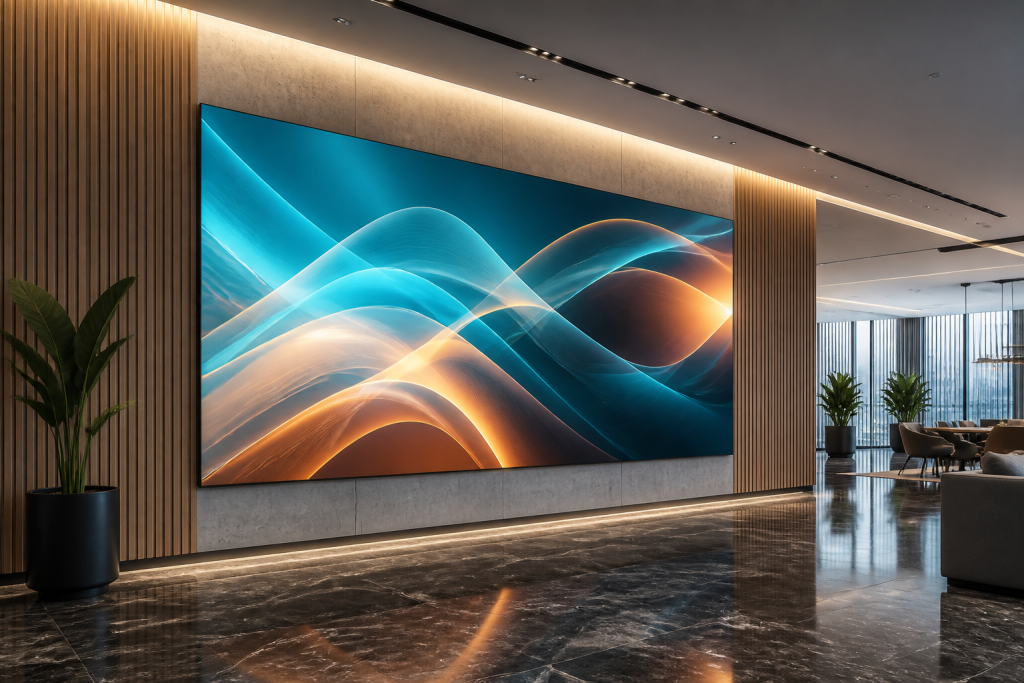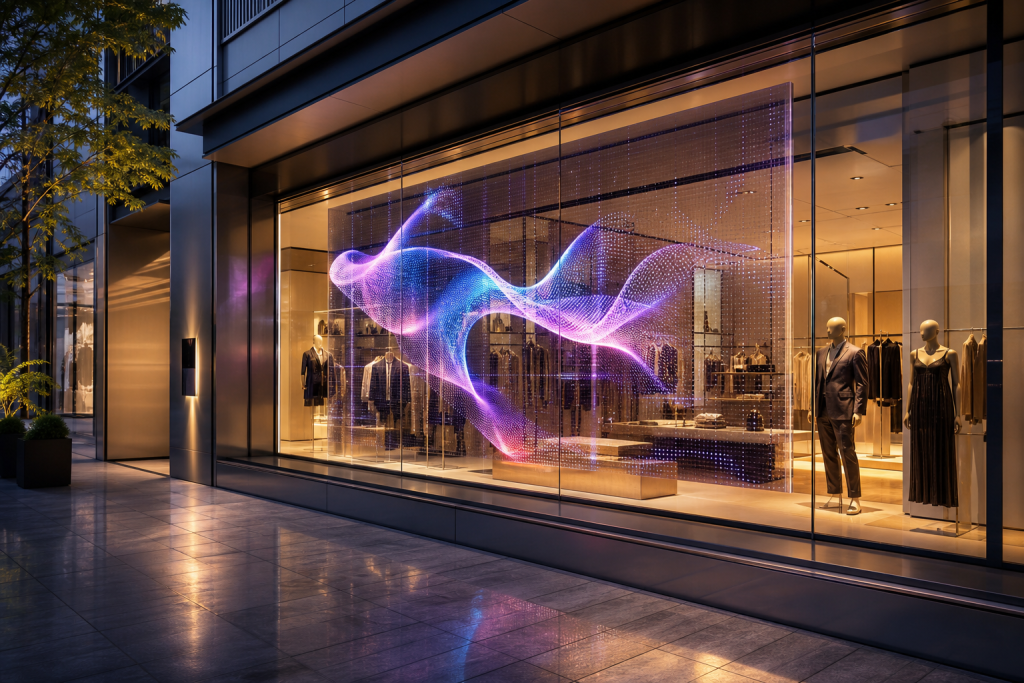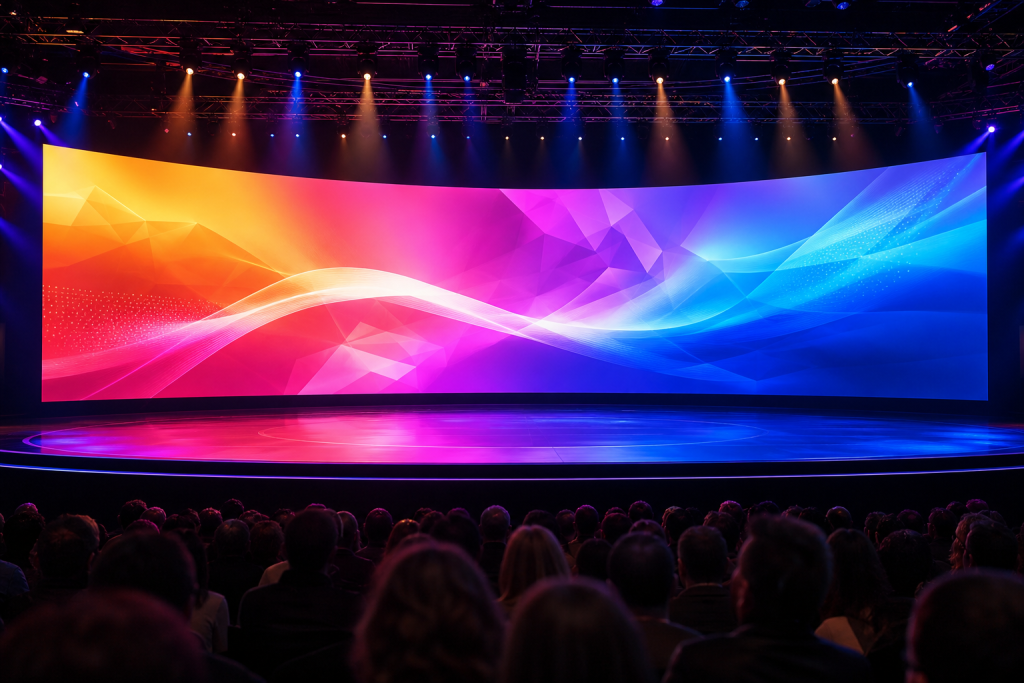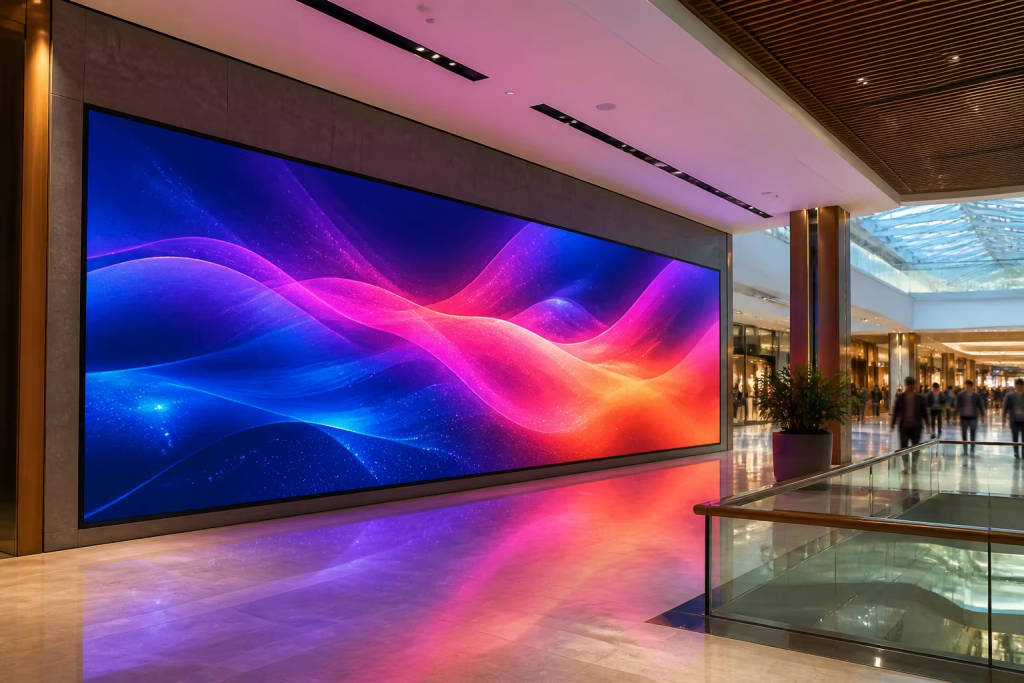
An outdoor advertising LED display screen is one of the most powerful tools for brands and media owners to reach audiences in high‑traffic locations. Compared with print billboards, LED screens support dynamic content, real‑time updates and flexible scheduling, opening new revenue opportunities for operators.
To design a successful outdoor LED advertising project, you must consider environment, brightness, structural safety, power consumption and after‑sales service, not just initial hardware price. USER LED has delivered outdoor commercial LED displays on building tops, street poles, malls and stadiums across more than 80 countries, offering a practical reference for integrators and end‑users.
What defines an outdoor advertising LED display screen?
Outdoor advertising LED display screens are large‑format digital displays built with high‑brightness, weatherproof LED modules. They are designed to operate reliably under rain, sun, dust and temperature variations while running static or video advertising content.
Typical specifications include:
- Pixel pitch from P2.5 to P10 or larger, depending on viewing distance and budget.
- High brightness levels from around 5,000 to over 7,500 nits to stay visible in daylight.
- IP65–IP66 protection ratings for the front side and robust cabinet materials such as iron or aluminum.
USER LED’s FC and FX outdoor series, for example, use common cathode energy‑saving technology, aluminum profile or iron cabinets, IP65–IP66 protection and high refresh rates for smooth video.
Key performance indicators for outdoor LED advertising
When comparing outdoor advertising LED display screens, pay attention to several measurable factors.
- Brightness and contrast High brightness is essential outdoors, but contrast and black levels matter just as much for clear images in mixed lighting. USER LED’s outdoor series offer brightness up to around 7,500 cd/m² with high contrast ratios, making content vivid even in strong sunlight.
- Viewing distance and pixel pitch The optimal pitch depends on the closest and average viewing distances. For highway billboards, P8 or P10 may be sufficient, while city center and street‑level screens may require P4 or P5.
- Refresh rate Higher refresh rates (for example, up to 3,840 Hz) ensure flicker‑free images for both human eyes and cameras. This is crucial when ads are photographed or recorded for social media.
- Energy consumption Power cost is a significant share of long‑term operating expense. Common cathode designs, such as USER LED’s FC and FX series, reduce voltage and manage current more efficiently, cutting energy usage without sacrificing brightness.
Structural and environmental considerations
Outdoor advertising LED display screens must withstand wind loads, corrosion and thermal expansion. Proper structural design is vital for safety and long‑term stability.
Key aspects:
- Steel structure or pole design Engineers must calculate wind load, dead load and dynamic loads to design frames or poles that comply with local building codes. USER LED has case studies of double‑column P8 screens, wall‑mounted P4 signs and large street‑side P4 LED billboards that demonstrate different structural approaches.
- Cabinet material and IP rating Waterproof iron cabinets or aluminum cabinets with IP65–IP66 rated modules protect sensitive electronics against rain and dust. Sealing, drainage paths and anti‑corrosion coatings are especially important in coastal or industrial environments.
- Ventilation and temperature management Outdoor screens generate heat, so cabinet designs must include natural or forced ventilation and consider ambient temperatures from about minus 20 to 60 degrees Celsius. Efficient thermal design prolongs component life and keeps color consistency.
USER LED supports partners with engineering data, structural suggestions and real project references, helping them design safe and durable installations.
Content and control for outdoor advertising
A modern outdoor advertising LED display screen is as much about software and operations as it is about hardware.
Core components include:
- Sending and receiving systems Video processors and control cards manage how content is sent to the screen. They allow operators to schedule timelines, control brightness, divide the screen into zones and input multiple sources.
- Remote content management For city‑wide networks, screens are typically connected via 4G/5G or wired networks to a central management platform, enabling remote playlist updates. This allows advertisers to run time‑of‑day campaigns or location‑specific messaging.
- Monitoring and alerts Monitoring systems can report temperature, power status and module failures, reducing downtime and maintenance costs. Integrating these tools from the beginning makes the screen more attractive for long‑term media contracts.
USER LED’s product range is compatible with mainstream LED control systems, giving operators flexibility in software choice while ensuring stable playback.
Energy-saving outdoor LED solutions
As cities and advertisers focus more on sustainability, energy‑saving LED technologies have become a major differentiator.
USER LED’s FC and FX outdoor cathode energy‑saving series are designed to:
- Reduce power consumption via dynamic current control and black‑screen energy saving modes.
- Maintain high brightness and contrast while lowering heat generation and electrical costs.
- Offer IP65–IP66 protection, front or rear maintenance and flexible installation for fixed outdoor advertising.
For media owners, these features translate into lower operating expenses and a stronger business case when bidding for long‑term advertising concessions.
Real-world outdoor advertising LED projects
USER LED has deployed outdoor advertising LED display screens in markets such as India, Ireland, Thailand, Jordan, Brazil and Bosnia and Herzegovina, among others.
Examples include:
- P4 and P5 wall‑mounted and rooftop billboards on retail buildings and shopping malls.
- Double‑column P8 roadside billboards used on main roads and government projects.
- Outdoor rental P3.91 and P4 screens for events, festivals and temporary campaigns.
These references demonstrate performance across climates and regulatory environments, and they give new customers confidence when planning similar projects.
Choosing an outdoor advertising LED display supplier
Investing in an outdoor advertising LED display screen requires a partner that can support you from design through after‑sales service.
Important criteria include:
- Proven track record with international certifications like CE, FCC, UL and energy‑saving reports.
- Strong R&D on outdoor energy‑saving technologies and cabinet engineering.
- Ability to provide OEM/ODM services for custom sizes, pixel pitches and cabinet branding.
Shenzhen USER Special Display Technologies is a high‑tech enterprise with more than 10,000 m² of production area, automated lines and project experience in over 80 countries. If you are planning an outdoor advertising LED display screen, visiting https://www.userledscreen.com/ is an effective way to explore suitable solutions and get professional consulting.