What Is a Low‑Cost Flexible LED Display?
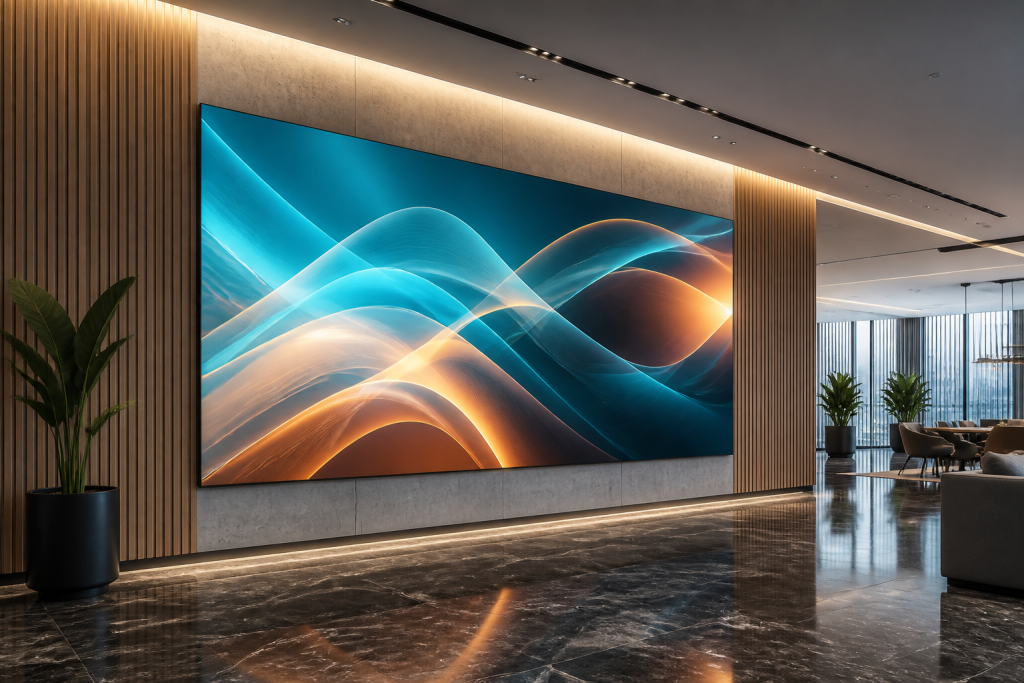
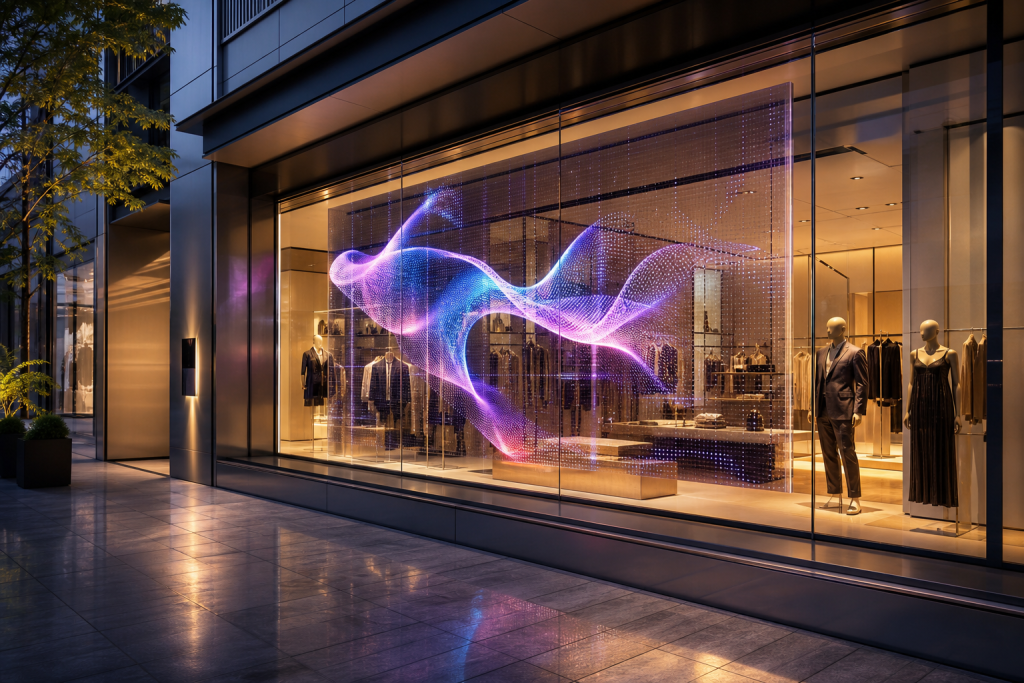
A low-cost flexible led display uses bendable LED modules to create curved, cylindrical, or irregular screens while keeping the overall project budget under control. Instead of rigid PCB boards, flexible modules adopt soft PCBs and special encapsulation, allowing them to bend around columns, arcs, and wavy surfaces. This makes them ideal for shopping malls, retail stores, museums, hotels, and creative brand spaces that want standout visuals without the high cost of custom hardware.
USER LED’s flexible LED series is based on standardized 320 × 160 mm soft modules in pixel pitches such as P1.53, P1.86, P2, and P2.5, combining design freedom with efficient mass production. By leveraging these standard modules, the company can provide cost‑effective, high‑quality solutions across a wide range of projects.
How Flexible LED Technology Reduces Total Cost
“Low cost” in flexible LED projects is not only about module price—it also involves installation, structure, maintenance, and long‑term operation.
- Simple installation: Magnetic or bracket mounting allows flexible modules to be attached to curved metal structures with minimal drilling and framing. This reduces on‑site labor and steel structure expenses.
- Lightweight modules: With weights often in the 3–8 kg/m² range, flexible screens impose lower loads on existing walls, columns, or ceilings, reducing reinforcement needs.
- Standardized modules: A universal 320 × 160 mm module design simplifies stocking, logistics, and spares management, driving down per‑project costs.
- Single‑point maintenance: Faulty pixels or modules can be replaced individually, avoiding the cost of replacing an entire panel.
These factors often make a low-cost flexible led display more economical over the full life cycle than many traditional rigid custom structures.
Typical Applications for Budget‑Friendly Flexible Screens
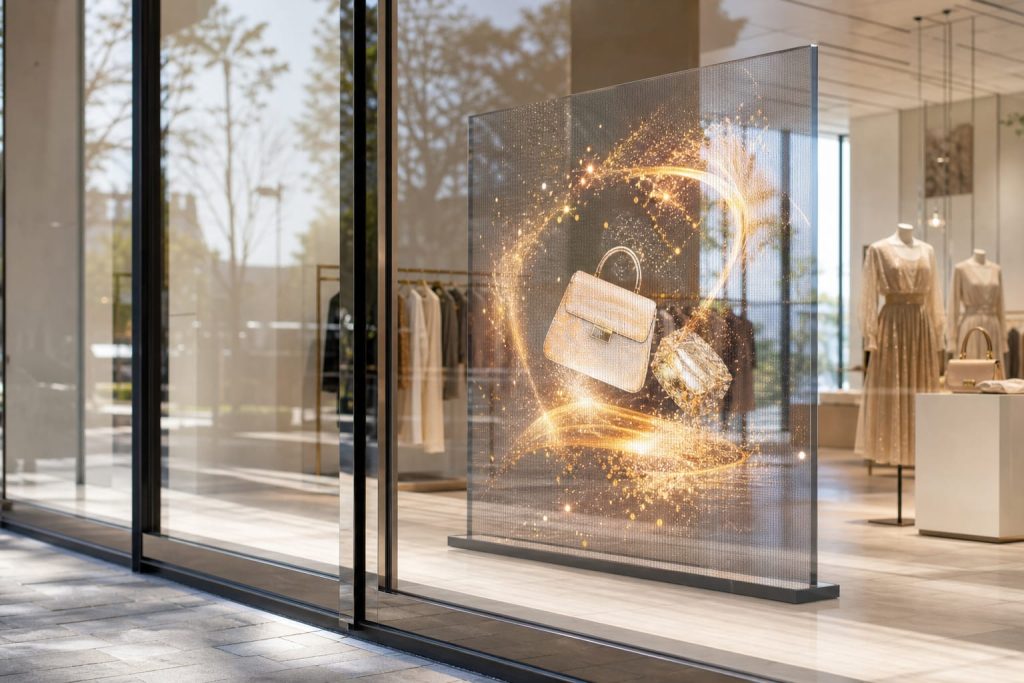
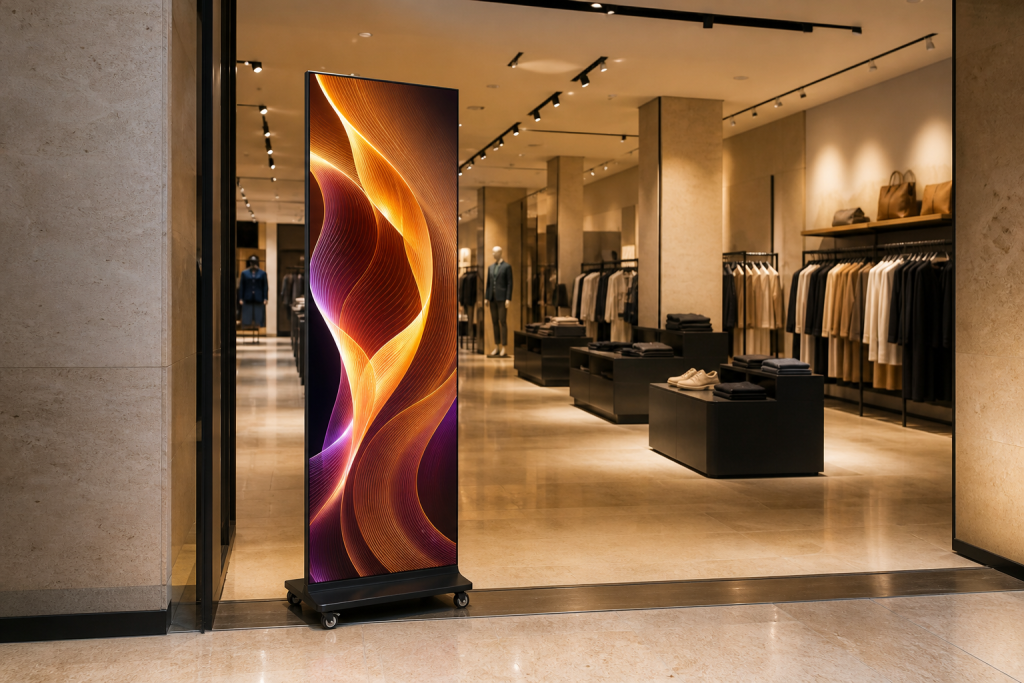
Businesses can deploy low‑cost flexible led display solutions across many indoor scenarios.
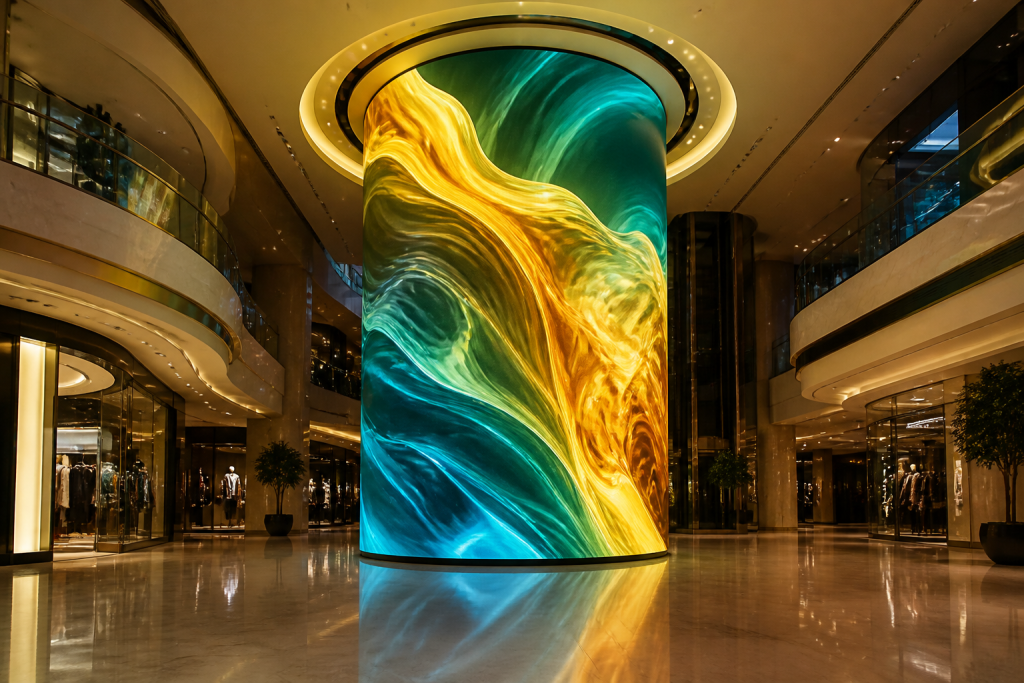
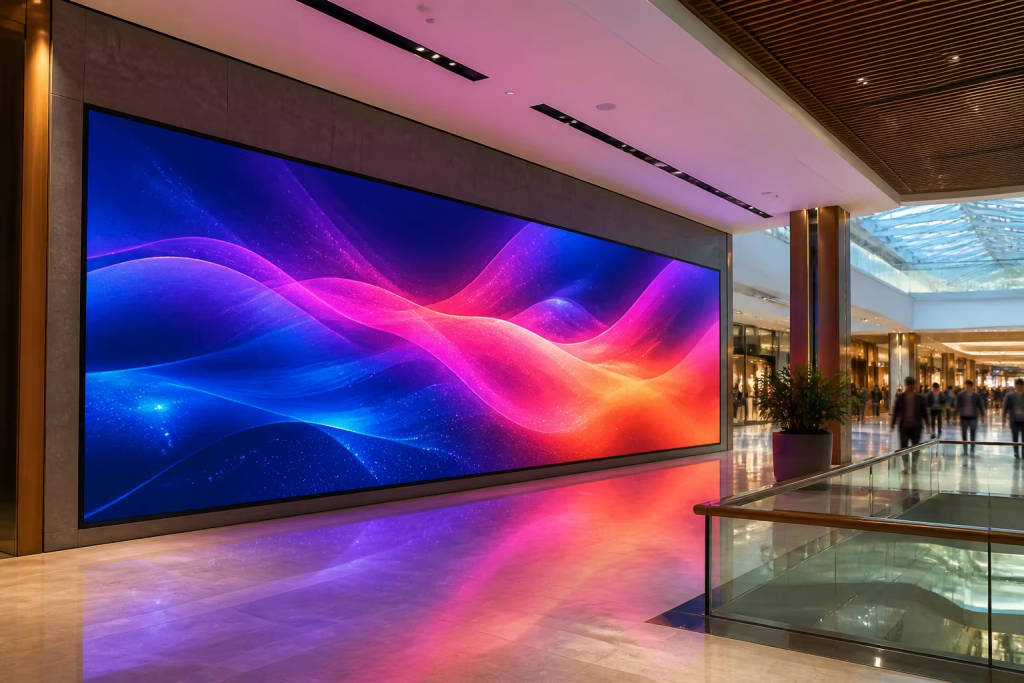
- Column wraps in shopping malls and airports, turning structural columns into dynamic digital canvases for brands.
- Curved LED walls in retail flagships or automotive showrooms, creating immersive product storytelling environments.
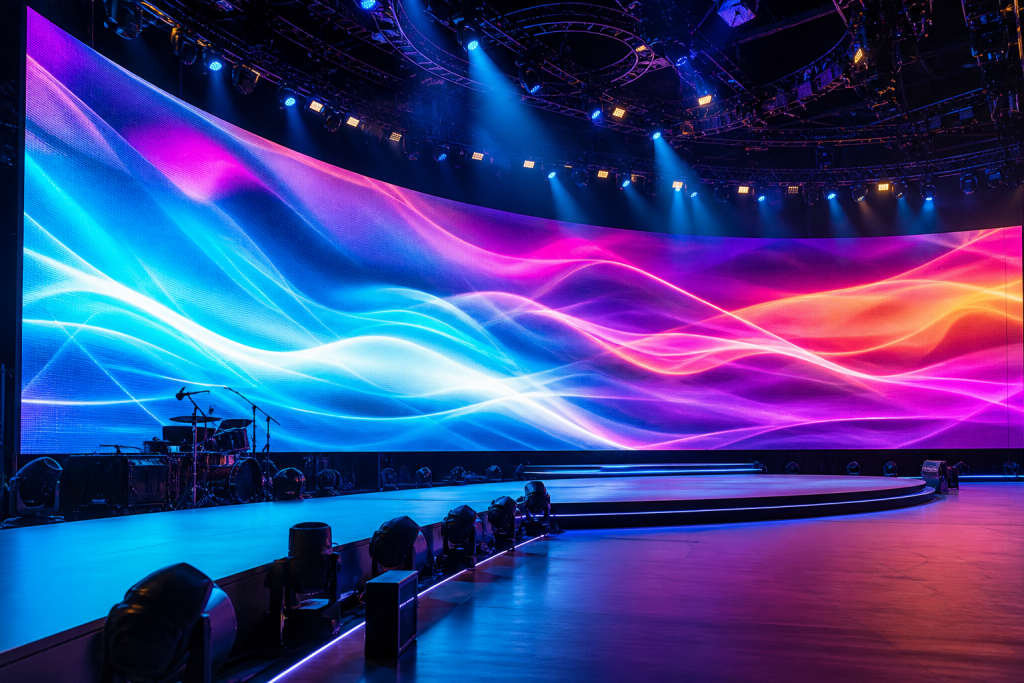
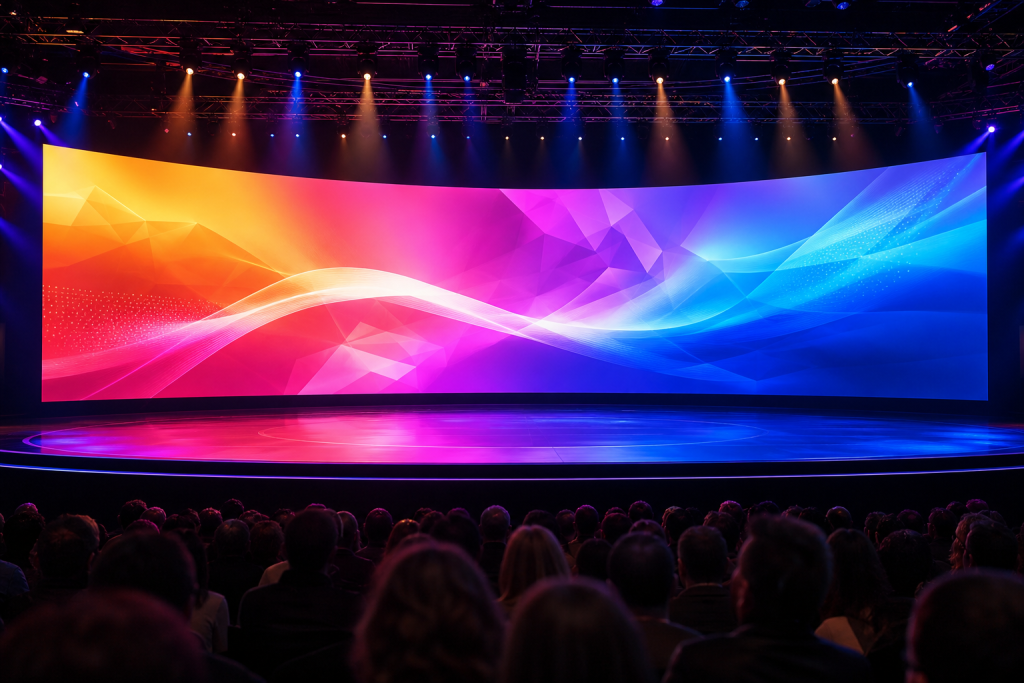
- Cylindrical and ring screens above stages, reception desks, or atriums that captivate visitors from multiple angles.
- Art installations and museums where content must adapt to creative geometries without ballooning construction budgets.
USER LED’s case studies show flexible installations in shopping malls, retail stores, and public spaces worldwide, proving the stability and visual impact of these solutions.
Balancing Cost with Image Quality
Even when targeting “low cost,” project owners should avoid compromising essential display performance.
Key parameters to balance include:
- Pixel pitch: Finer pitches such as P1.53, P1.86, or P2 provide high detail at close viewing distances but cost more per square meter; coarser options like P2.5 or P3 can significantly reduce cost when viewers are farther away.
- Brightness: For indoor flexible displays, brightness in the 500–1,500 nits range is usually sufficient, avoiding unnecessary power consumption and LED cost.
- Refresh rate: A refresh rate up to 3,840 Hz ensures smooth visuals and camera‑friendly performance, which is especially important in premium retail and brand environments.
- Contrast and color: Quality LEDs and calibration systems maintain deep blacks and accurate colors, so the display looks premium even in budget‑sensitive projects.
USER LED designs its flexible modules with this balance in mind, delivering high refresh rates, good brightness, and consistent color in a cost‑optimized package.
Structural and Design Tips to Keep Budgets Down
Good engineering and design choices can further reduce the cost of flexible LED projects.
- Optimize curvature: Choose radii that match the natural bend limits of standard flexible modules (often 45–90 degrees), minimizing custom engineering.
- Use modular repeating patterns: Repeating arcs, rings, or column wraps make design simpler and cut custom cutting and wiring work.
- Plan maintenance access: Design structures so modules can be accessed from the front or back without scaffolding, lowering long‑term service costs.
- Reuse content: Recycle content across different sections of the screen or across stores, reducing creative production cost.
USER LED can support architects and integrators with CAD drawings and structural advice to keep both installation and operating costs in check.
Why USER LED Is a Strong Partner for Low‑Cost Flexible LED
Since 2008, USER LED has specialized in indoor and outdoor LED displays, including soft module series, transparent screens, and special‑shaped solutions. The company operates a modern 10,000 m² factory with SMT, automatic production lines, and strict aging tests, which help maintain quality while controlling manufacturing cost.
For low-cost flexible led display projects, USER LED offers:
- Flexible module series in P1.53, P1.86, P2, P2.5, P3, and P4 pixel pitches.
- Proven global case experience in shopping malls, retail stores, airports, and exhibitions.
- ISO‑certified production and international certifications such as CE, FCC, UL, and RoHS.
- OEM/ODM services for distributors, integrators, and brand owners building their own flexible LED product lines.
You can learn more and request a tailored proposal through https://www.userledscreen.com/.