
A flexible LED display importer needs more than product knowledge. The importer must evaluate manufacturing quality, compliance documents, product consistency, logistics support, and after-sales service before choosing a supplier. Because flexible LED displays are often used in customized projects, the risks of poor specification matching are higher than with standard flat displays.
For international buyers, the best supplier relationship is usually built around stability, documentation, and technical support. USER LED’s company materials show a mature export-oriented structure, multiple certifications, and case experience across many countries, which are all helpful signals for importers looking for repeatable procurement.
Importer Priorities
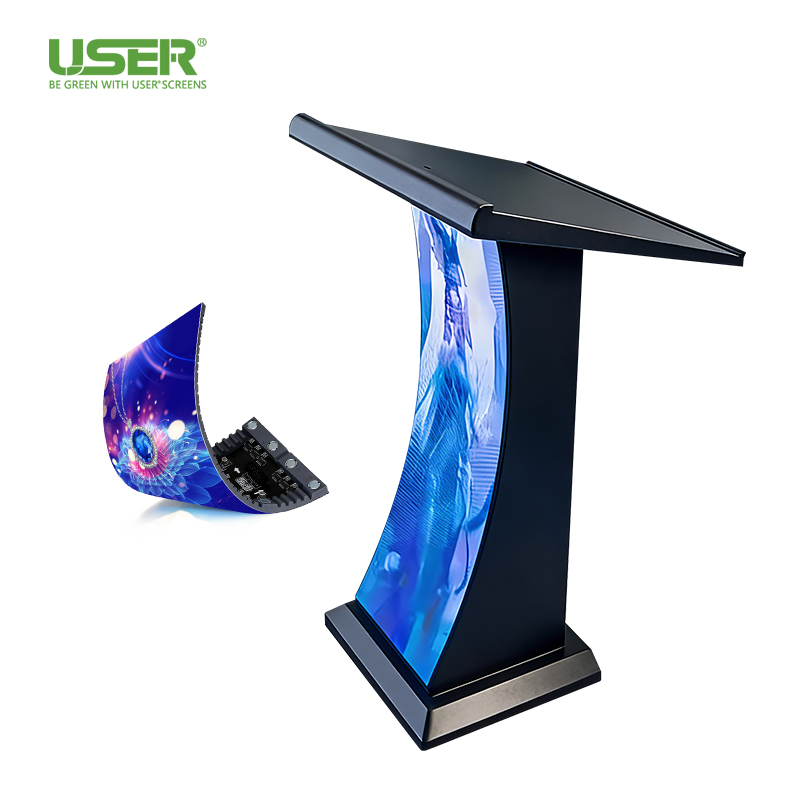
A flexible LED display importer should first check whether the supplier can handle customization. Many projects require unique curvature, cabinet size, or installation details, so standard off-the-shelf products may not be enough. USER LED’s catalog describes flexible modules and custom display solutions, including irregular, spherical, and special-shaped screen applications, which supports importer needs for project flexibility.
The importer should also request technical documents early. These include specification sheets, certification files, packing details, and installation guidance. That reduces the chance of compliance delays or incorrect ordering. USER LED’s materials list certifications such as ISO 9001, CE, FCC, RoHS, and UL in the company documents, which is important for many export markets.
What Quality Means
For flexible LED products, quality is not just visual clarity. It also includes bending durability, module consistency, color uniformity, and long-term structural stability. A display that looks good in a sample photo may still create problems if the bending radius is too aggressive or the module design is unstable. USER LED’s soft module series is positioned for flexible shapes and creative installation, so importers should always ask how bending limits were tested.
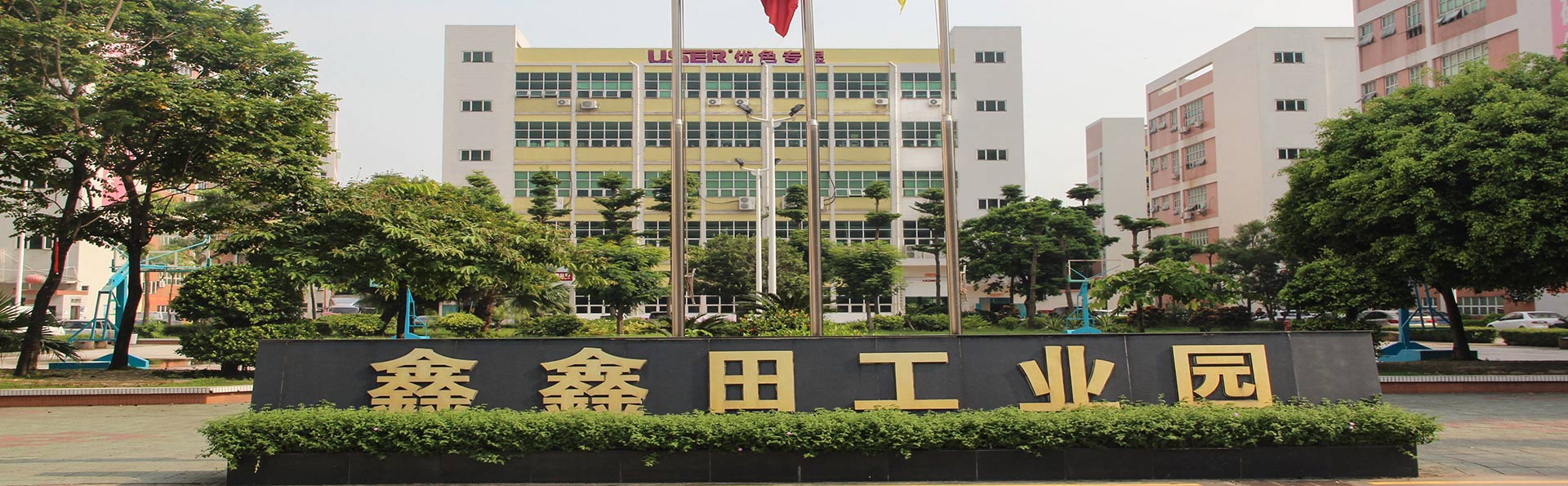
Quality also depends on the production process. A supplier with SMT assembly, module testing, aging tests, and automated production lines is more likely to deliver stable batches. USER LED’s company profile highlights modern production capabilities and large-scale manufacturing support, which can help reduce variation in exported orders. For importers, that consistency is essential.
Logistics And Compliance
Importers should evaluate the supplier’s packaging, lead time, and shipment support before finalizing a purchase. Flexible LED screens are sensitive products, so packaging design should protect modules during transportation. The supplier should also be able to provide clear carton information, weight data, and installation packing lists. This improves customs handling and project scheduling.
Compliance is equally important. Depending on the market, buyers may need CE, FCC, RoHS, or other product-related documentation. USER LED’s catalog includes a range of certifications and export-oriented information, which is useful for importers serving Europe, the Middle East, Southeast Asia, and other regions. That kind of preparation can save time when entering new markets.
How Importers Reduce Risk
A flexible LED display importer can reduce risk by starting with a sample project or a pilot order. This allows the buyer to verify image quality, structure compatibility, communication speed, and after-sales response before scaling up. It also helps confirm whether the supplier can support future repeat orders. Importers who work with project-based displays often prefer this approach because it lowers uncertainty.
Another good practice is to request case studies from similar markets or use cases. USER LED’s global project references show applications in retail, hotels, malls, exhibitions, and public venues, which can help importers visualize product fit. For product and company information, the official website is https://www.userledscreen.com/.
Supplier Fit For Importers
A strong supplier for importers should be able to communicate clearly, offer technical guidance, and support both standard and customized orders. That is especially important for flexible displays, where small specification changes can affect the final installation result. USER LED’s materials present the company as an integrated commercial display solution supplier with export experience, which aligns well with importer expectations.
Importers also benefit from suppliers who understand branding and project value. Flexible LED products are often sold into premium spaces, so presentation quality and technical reliability both affect customer satisfaction. A supplier that can support design, production, and service together is often easier to work with than one that only sells hardware.
Conclusion
A flexible LED display importer should focus on quality, certification, customization, logistics, and service, not price alone. The right supplier will help the importer manage risk, support project success, and build long-term market credibility. USER LED’s manufacturing background, flexible product range, and export experience make it a practical reference for importers seeking reliable LED display cooperation.