
Indoor digital signage has become one of the most effective ways to catch attention and drive sales inside malls, retail stores, hotels, and corporate spaces. Choosing the right LED display screen for advertising indoor can dramatically improve how your brand is seen, how long people stay, and how much they buy. For buyers who need a reliable supplier with full indoor solutions, manufacturers like USER LED provide complete product lines from poster screens to fine‑pitch video walls.
This comprehensive buyer’s guide explains what an indoor advertising LED screen is, the main types available, which technical specs really matter, and how to pick the best solution for your business. It also includes practical tables and FAQs to help you make a confident decision
What Is an LED Display Screen for Advertising Indoor?
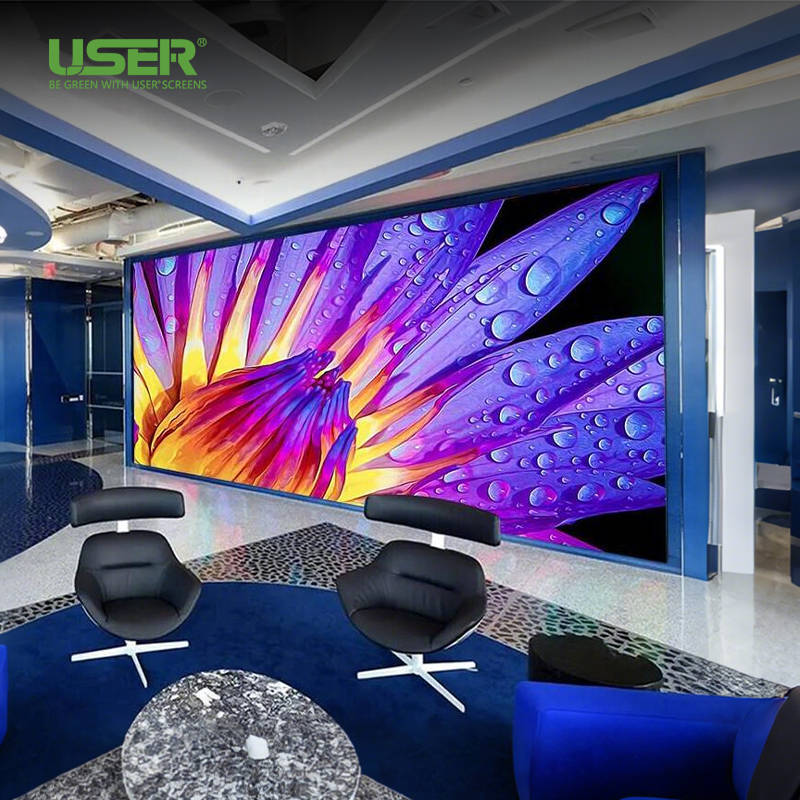
An LED display screen for indoor advertising is a digital screen using light‑emitting diodes (LEDs) to show dynamic content such as videos, images, and animations inside climate‑controlled spaces. Unlike static posters or light boxes, indoor LED displays deliver bright, moving visuals that are hard to ignore, even in visually crowded environments like shopping malls or airports.
These displays typically use fine‑pitch SMD (Surface Mounted Device) LEDs to provide high resolution at close viewing distances, along with calibrated brightness and wide viewing angles to ensure content is clearly visible from different directions. Indoor LED screens are widely used in retail, corporate lobbies, hospitality, transportation hubs, and exhibition venues to promote products, share information, and enhance brand image.
Why Indoor LED Displays Beat Traditional Posters and LCDs
Indoor LED advertising screens offer several advantages over printed posters, static light boxes, and even conventional LCD signage.
Key Advantages
- Higher brightness and stronger contrast, making content stand out under ambient lighting while preserving vivid colors.
- Seamless, bezel‑free display areas that look cleaner and more premium than tiled LCD panels.
- Flexible sizes and formats: from slender poster screens to large video walls and curved flexible displays for pillars or creative installations.
- Long lifespan (often 50,000+ hours) and lower long‑term operating costs compared with frequently replaced printed materials.
In real retail environments, digital LED posters and indoor LED screens have been shown to increase dwell time and engagement compared with static signage, leading to higher conversion rates and stronger brand recall.
Main Types of Indoor LED Display Screens for Advertising
There is no single “best” indoor LED screen; the right choice depends on your space, goals, and budget. Below are common types you should know.
Indoor LED Poster Displays
Indoor LED posters are slim, vertically oriented screens designed to mimic traditional poster stands while delivering dynamic digital content. They often have standard display dimensions around 640 × 1920 mm and are widely used in:
- Shopping mall corridors
- Retail storefronts
- Hotel lobbies
- Car showrooms
For buyers specifically looking for plug‑and‑play poster solutions, USER offers dedicated LED poster screen product lines suitable for retail and commercial indoor advertising.
Fixed Indoor LED Video Walls
Fixed indoor LED video walls are large, wall‑mounted screens built from multiple LED cabinets to create seamless, high‑resolution canvases. They are ideal for:
- Shopping mall atriums
- Corporate showrooms and experience centers
- Command centers and conference halls
Fine‑pixel‑pitch series (e.g., P1.25, P1.53, P1.86, P2.5) from USER and similar vendors deliver ultra‑high resolution for close viewing and premium branding. You can explore typical indoor LED screen & display solutions to understand different cabinet options and pixel pitches.
Flexible and Curved Indoor LED Displays
Flexible LED displays use soft, bendable modules that can wrap around columns, curves, or creative architectural elements. These are perfect for:
- Cylindrical pillars in malls
- Curved walls and arches
- Creative retail and immersive installations
For example, USER provides flexible LED display solutions that allow P2.0, P2.5, P3 and other small pixel pitches to be installed on curved surfaces for unique indoor advertising projects.
Typical Applications for Indoor LED Advertising Screens
Indoor LED display screens show up wherever you have high foot traffic and a need for strong visual impact.
Common Use Cases
- Shopping malls and retail stores – Promote new products, flash sales, and brand content near points of sale or store entrances.
- Airports and metro stations – Display ads, wayfinding, and dynamic campaigns to large audiences passing through terminals and concourses.
- Hotels and restaurants – Show promotions, menus, event information, and brand storytelling in lobbies and waiting areas.
- Corporate lobbies and showrooms – Present company highlights, real‑time data, and immersive presentations on video walls.
- Exhibition halls and trade shows – Create eye‑catching booths with large LED backdrops, pillars, and poster displays.
By matching screen type and size to each application, you can maximize visibility without overwhelming the space or your budget.
Core Technical Specs You Must Understand
Not all LED screens are equal. The following specifications have the biggest impact on image quality, viewing comfort, and total cost of ownership.
Key Parameters and Recommended Ranges
| Parameter | What It Means | Typical Indoor Range / Tips |
| Pixel pitch (mm) | Distance between LED pixels; smaller = higher resolution | P1.2–P2.5 for close viewing, P2.5–P4.0 for mid‑distance screens userledscreen+1 |
| Brightness (nits) | Screen luminance | 500–1,000 nits for indoor commercial spaces userledscreen+1 |
| Refresh rate (Hz) | How often the image updates | ≥ 1,920 Hz for basic, 3,840 Hz+ for flicker‑free video userledscreen+1 |
| Viewing angle | How wide you can see clearly | Around 160° horizontal/vertical for public areas userledscreen+1 |
| Lifespan (hours) | Expected working life | 50,000+ hours for quality indoor LEDs userledscreen+1 |
| Avg. power (W/m²) | Typical power draw in real use | ~200–300 W/m² for many indoor poster/advertising models userledscreen+1 |
Understanding these numbers helps you balance image performance and operating cost.
Matching Pixel Pitch and Viewing Distance
Pixel pitch is one of the most important specs when choosing an LED display screen for indoor advertising. If the pixel pitch is too large for a short viewing distance, viewers will see the individual LEDs and the image will look grainy; if it is too small, you may pay for unnecessary resolution.
Simple Pixel Pitch Selection Table
表格 还在加载中,请等待加载完成后再尝试复制
In many shopping malls, P2.0–P2.5 is a popular sweet spot for posters and mid‑sized indoor advertising screens, as it balances clarity with cost for typical 3–5 m viewing distances.
Choosing the Right Indoor LED Screen for Your Scenario
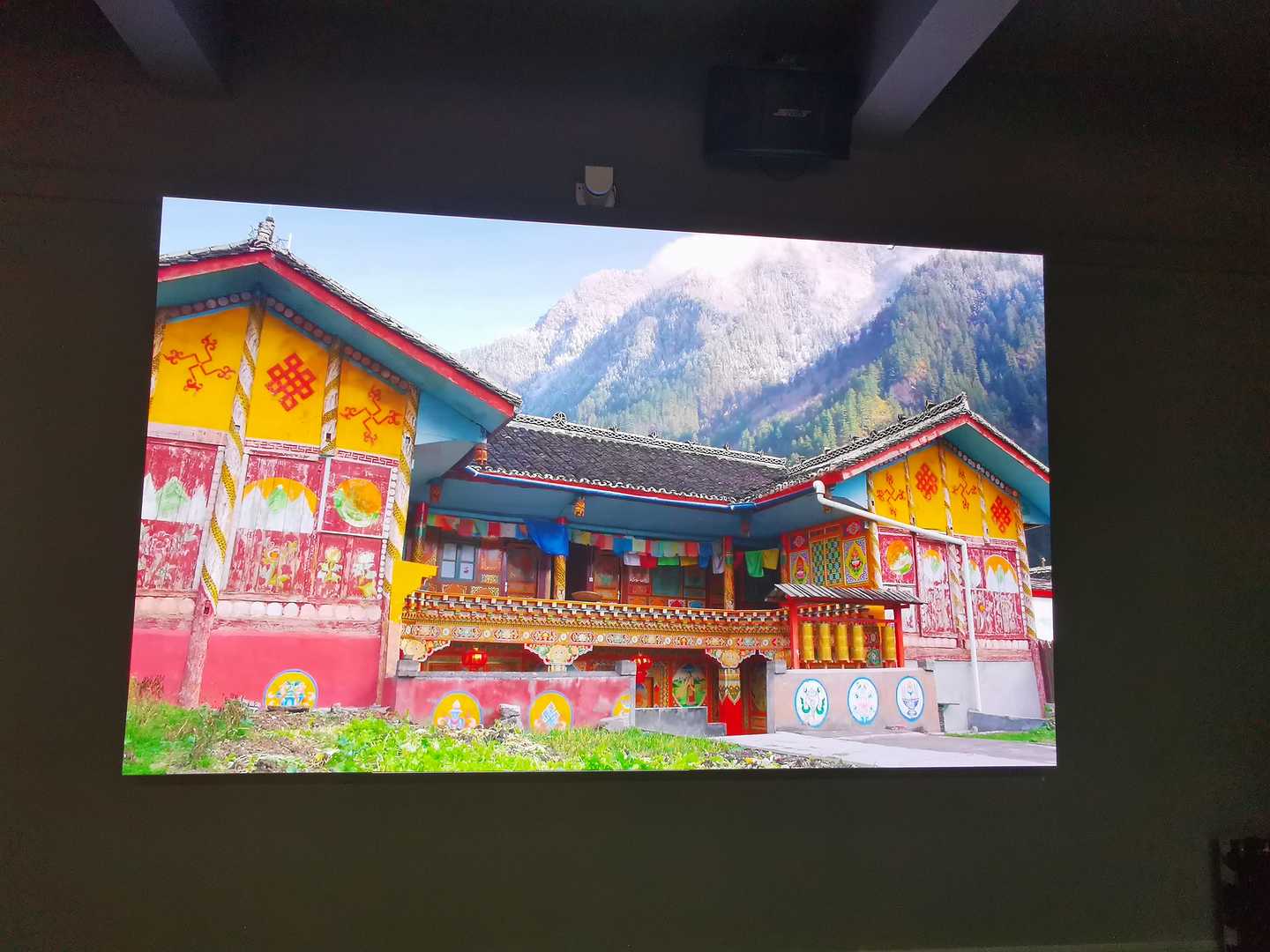
To find the best LED display screen for advertising indoor, start from your actual use case and work backwards to the technical specs and product type.
Malls and Retail Storefronts
For retail brands and malls, the goal is usually to attract attention at eye level and drive foot traffic to specific stores or products.
Recommended options:
- Indoor LED poster screens at entrances, corridors, and escalator areas
- Pixel pitch around P1.8–P2.5 for close to mid‑range viewing
- Brightness around 600–800 nits for comfortable indoor visibility
USER’s poster indoor LED series is designed specifically for these environments, providing plug‑and‑play operation and integrated control in a slim body. Many projects choose compact models such as the P1.86 LED poster display indoor ultra thin portable digital banner when they need high resolution and easy relocation in malls and retail stores.
Hotels, Restaurants, and Corporate Lobbies
In hospitality and corporate spaces, the focus is brand image and customer experience, not just short‑term promotions.
Recommended options:
- Fine‑pitch indoor video walls behind reception desks or in lobby features
- Pixel pitch from P1.25 to P1.86 for premium, detailed visuals at close range
- Integration with content management systems to display brand videos, welcome messages, and live data
Airports, Metro Stations, and Large Public Areas
In large, open spaces, you often have longer viewing distances and heavy foot traffic.
Recommended options:
- Larger fixed indoor LED screens or multi‑screen arrays
- Pixel pitch from P2.5 up to P4.0, depending on mounting height and distance
- Higher brightness within indoor ranges; robustness and easy maintenance are crucial.
Cost, ROI, and Total Cost of Ownership
When comparing LED display screens for indoor advertising, it is important to look beyond the initial hardware price and consider the full lifecycle cost and ROI.
Cost and Benefit Factors
- Initial investment – LED cabinets or poster units, controllers, mounting structures, and installation.
- Operating costs – Power consumption, content production, and any software licenses.
- Maintenance – Spare parts, periodic calibration, and potential downtime.
- Revenue impact – Increased sales, brand recognition, and marketing flexibility from dynamic content.
Studies and case analyses show that LED lighted posters and digital signage can deliver better ROI than static light boxes, thanks to longer lifespans, adjustable content, and higher engagement.
Installation and Maintenance Considerations
A great indoor LED advertising screen is not only about specs; installation and service also matter.
Key points to consider:
- Mounting options – freestanding poster, wall mount, hanging, or embedded into architectural elements.
- Front or rear maintenance – front‑service cabinets are easier to maintain in tight spaces or against walls.
- Access to power and data – plan routes for power cables and network or Wi‑Fi coverage.
- Future expansion – consider modular systems that allow you to extend your LED canvas or add more posters later.
Many of USER’s indoor products are designed for straightforward installation, often with integrated stands and quick‑connect systems to reduce on‑site work.
Why Work with a Professional LED Manufacturer
Working with an experienced manufacturer helps ensure product quality, safety, and long‑term support. Key things to look for include:
- In‑house production lines and automated SMT manufacturing
- International certifications such as CE, FCC, and RoHS
- Documented case studies in malls, hotels, and public venues
- Responsive pre‑sales and after‑sales technical support.
Shenzhen USER Special Display Technologies Co., Ltd., established in 2008, is a high‑tech enterprise focusing on full‑series LED displays, including indoor, outdoor, flexible, and transparent screens. According to the About USER page, the company operates multiple international‑level production lines and has delivered LED projects for malls, hotels, and public spaces worldwide, positioning itself as a professional partner for B2B clients seeking reliable indoor LED advertising solutions.
FAQs About Choosing an LED Display Screen for Advertising Indoor
What pixel pitch is best for indoor advertising LED screens?
For typical indoor advertising in malls, hotels, and corporate lobbies, pixel pitches from P1.5 to P2.5 are most common, as they provide clear, detailed images at 2–5 m viewing distances without excessive cost. For very close viewing, such as luxury boutiques or control rooms, P1.25 or finer may be justified.
How bright should an indoor LED advertising screen be?
For indoor environments, brightness levels in the range of 500–1,000 nits are generally sufficient to ensure visibility without causing glare or eye fatigue. Poster LED displays and fixed indoor screens can be dimmed to match ambient light and improve viewing comfort.
Are LED posters better than traditional light boxes?
LED posters offer dynamic, updateable content, higher brightness, and longer lifespans than static light boxes, which translates into better engagement and ROI over time. They also support remote content management and multi‑screen synchronization for creative campaigns.
How long do indoor LED displays last?
Quality indoor LED screens often have rated lifespans of 50,000 hours or more, which can translate into many years of operation if used for 8–16 hours per day. Proper ventilation, stable power, and routine maintenance help achieve this performance.
Can I control multiple indoor LED screens remotely?
Yes. Modern LED display systems commonly integrate with content management software that allows you to schedule and distribute content to multiple screens or locations from a central platform. This is especially useful for retail chains, malls, and corporate networks that need consistent branding across many screens.
What is the difference between indoor and outdoor LED advertising screens?
Outdoor screens require much higher brightness, weatherproof enclosures, and more robust structures, whereas indoor screens prioritize fine pixel pitch, color accuracy, and viewing comfort at closer distances. For a “led display screen for advertising indoor,” you should focus on resolution, indoor brightness levels, and aesthetics rather than outdoor‑grade protection.