
What Is an Iron Sheet Cabinet Poster LED Display?
An iron sheet cabinet poster LED display is a slim, vertically oriented LED screen built with an iron cabinet structure, designed to replace traditional posters and light boxes in commercial spaces. It combines high‑brightness LED modules, a robust metal enclosure, and an integrated control system to deliver dynamic content for advertising and information display.
Unlike paper posters or LCD signage, a poster LED display uses fine‑pitch SMD LED modules with high refresh rate and contrast, so brands can run videos, animations, and time‑scheduled campaigns on a single unit. When the cabinet is made from high‑quality iron sheet metal, the display gains extra rigidity, better protection, and a cost‑effective structure, especially for fixed indoor and semi‑outdoor installations.
Core Structure and Components
Iron Sheet Cabinet Structure Explained
The iron sheet cabinet is the mechanical frame that houses LED modules, power supplies, receiving cards, and wiring, typically formed through precision sheet‑metal processing and surface treatment. For commercial LED displays, iron cabinets are often fabricated with reinforced corners, internal support ribs, and mounting points that ensure stable installation while keeping overall thickness relatively low for a poster‑style form factor.
Compared with die‑cast aluminum cabinets, iron sheet cabinets are usually more economical and easier to customize in shape and opening positions for cables, locks, and maintenance doors. In USER’s outdoor FX series, for example, simple iron cabinets and waterproof iron cabinets are provided as cost‑effective options while still matching high‑brightness, energy‑saving LED modules. This same iron‑cabinet concept applies to poster LED designs that require strong protection and stable performance in high‑traffic environments.
LED Modules, Pixels, and Control System
At the heart of every iron sheet cabinet poster LED display is a matrix of LED modules assembled on the cabinet front side. USER LED solutions use SMD technology with common pixel pitches such as P2.5, P2.6, P2.9, P3.07, P3.91, and P4.81 for indoor and rental applications, providing a balance between fine detail and cost. For a poster‑type configuration, pitches like P2.5 and P3.91 are typical, offering clear visuals at common viewing distances of 2–5 meters in shopping malls and retail stores.
The control system includes sending and receiving cards, a media player or controller, and data interfaces such as HDMI, DVI, or network ports, which allow users to upload content, schedule playlists, and manage brightness and power. USER’s LED solutions support remote program publishing and timed startup/shutdown for posters, enabling centralized control across multiple screens in chain stores or corporate networks.
Key Features and Performance Parameters
Display Quality: Brightness, Refresh Rate, and Contrast
A critical advantage of a poster LED display over static media is its high brightness and stable visual performance under various ambient lighting conditions. USER indoor LED posters typically provide brightness levels around 500–800 nits for indoor applications, while outdoor and semi‑outdoor iron cabinets can exceed 3000–5000 nits depending on pixel pitch and product series. This ensures that content remains vivid and readable even near glass doors or in bright lobbies.
Refresh rate is another important parameter; USER indoor and outdoor LED products generally support refresh rates up to 1920–3840 Hz, delivering flicker‑free images ideal for both human eyes and cameras. Combined with a high contrast ratio, often reaching 4000:1 or higher, posters can render deep blacks, accurate colors, and smooth gradients, which is essential for premium fashion, automotive, and luxury branding campaigns.
Durability, Protection, and Energy Efficiency
Iron sheet cabinets deliver mechanical robustness, making poster LED displays more resistant to accidental impacts, frequent movement, and daily wear in high‑traffic venues. For outdoor and semi‑outdoor scenarios, waterproof iron cabinets can be designed with IP65 or higher front protection, similar to USER’s FX and FC series fixed outdoor displays, combining sealed modules with optimized cabinet structure.
Energy efficiency is increasingly important for operators managing dozens or hundreds of displays. USER’s FC and FX series adopt common‑cathode, energy‑saving designs that reduce power consumption by lowering driving voltage and optimizing current distribution, while maintaining high brightness. Many of these energy‑saving concepts, such as dynamic brightness control and high‑efficiency power supplies, can be implemented in poster LED solutions to cut operational costs without sacrificing image quality.
Main Application Scenarios
Retail Stores, Shopping Malls, and Chain Brands
Iron sheet cabinet poster LED displays are widely used at shop entrances, in window displays, and along aisles to promote new collections, time‑limited offers, and brand stories. Their slim profile allows installation close to glass, pillars, or shelves, replacing printed roll‑up banners and light boxes with dynamic content that attracts more attention and improves dwell time.
USER has extensive experience in indoor commercial advertising installations worldwide, including shopping malls, brand boutiques, and chain retail stores using indoor fixed LED screens and flexible displays. When a poster LED is built with an iron cabinet, it can be stably floor‑standing or wall‑mounted for long‑term use, which suits retailers that want consistent appearance, secure locking, and easy maintenance across multiple locations.
Airports, Stations, Hospitality, and Corporate Lobbies
Transport hubs and hospitality venues require reliable, high‑visibility signage that works continuously and offers quick content changes. Iron sheet cabinet poster LED displays can serve as flight information, wayfinding, queue management, event branding, or digital concierge boards in airports, railway stations, hotels, and conference centers.
When combined with larger LED walls or transparent LED displays, poster units function as localized, interactive points for targeted messages in lobbies and corridors. The rigidity of the iron cabinet helps maintain perfect alignment and geometry in such environments, while standardized sizes simplify deployment for integrators and project contractors.
Benefits Compared with Other Media
Compared with Traditional Light Boxes and LCD
Iron sheet cabinet poster LED displays outperform traditional light boxes and LCD signage in several key aspects:
- Dynamic video and animation instead of static or limited slideshows.
- Flexible brightness adjustment and better visibility in high‑ambient light.
- Modular structure for easier repair (replacing small LED modules rather than full LCD panels).
The table below summarizes core differences:
| Feature | Iron Sheet Cabinet Poster LED Display | LCD Signage Poster | Static Light Box Poster |
| Content type | Video, animation, dynamic playlists | Static/limited dynamic | Single static print |
| Brightness | Medium–very high, adjustable | Medium, limited in strong light | Depends on backlight, often lower |
| Cabinet/material | Iron sheet metal, rigid and durable | Plastic/metal frame with LCD | Aluminum/plastic frame |
| Maintenance | Module‑level replacement | Panel‑level replacement | Full poster reprint |
| Lifetime (display element) | Long LED lifetime (typ. 50,000–100,000 h) | Panel lifetime 30,000–60,000 h | Depends on print and light source |
| Energy efficiency | High; supports dimming and energy‑saving designs | Moderate | Varies; fluorescent or LED backlight |
This combination of visual performance and long‑term maintainability makes poster LED displays particularly attractive for brands running continuous campaigns.
Compared with Other LED Cabinet Materials
In LED engineering, cabinets are often made from die‑cast aluminum, simple iron, or custom alloys. Iron sheet cabinets offer distinct advantages:
- Cost‑effectiveness: Iron sheet metal is usually less expensive than precision die‑cast aluminum, helping reduce overall project cost, especially for fixed posters in large quantities.
- Strength and rigidity: Properly designed sheet‑metal cabinets provide high structural strength, ideal for tall poster formats that must stay perfectly straight over time.
- Customization: Iron sheet processing supports flexible openings, brackets, and decorative trims tailored to specific brand requirements or installation sites.
Die‑cast aluminum, by contrast, excels in lightweight, high‑precision rental modules, where frequent assembly and disassembly is required. For fixed poster LED displays in retail or corporate environments, an iron sheet cabinet often delivers the best balance between price, protection, and performance.
How to Choose the Right Poster LED Display
Critical Specifications Checklist
When evaluating an iron sheet cabinet poster LED display, professional buyers and integrators should focus on several key specifications:
- Pixel pitch: Common indoor poster options like P2.5, P2.6, P2.9, and P3.91 determine the balance between clarity and cost; closer viewing distances require smaller pitch.
- Cabinet size and resolution: A typical poster may use a cabinet around 640 × 1920 mm or similar, with resolution defined by pixel pitch; higher resolution improves text and fine image details.
- Brightness and contrast: For indoor applications, 500–1000 nits is generally sufficient; semi‑outdoor or window‑facing posters may require 1500–3000 nits or more.
- Refresh rate: At least 1920 Hz is recommended; 3840 Hz is preferable for camera‑friendly, high‑end applications.
- Viewing angle: Wide horizontal and vertical viewing angles (such as 140–160 degrees) ensure visibility from different positions in a store.
Quality and reliability should be verified through certifications such as CE, FCC, RoHS, and ISO9001 quality management systems, which USER holds across its LED product lines.
Installation and Maintenance Considerations
An iron sheet cabinet poster LED display supports multiple installation methods, such as floor‑standing, wall‑mounted, hanging, and multi‑screen splicing. USER’s poster solutions, for example, highlight creative installation options that align with interior design, including decorative integration and multi‑screen collections for larger visual walls.
Maintenance planning is also essential. Many USER LED products support front or front/back maintenance, allowing technicians to replace modules and power supplies from the accessible side, which is crucial when posters are installed close to walls or glass. Content management should also be considered; remote content publishing and scheduling significantly reduce labor costs for multi‑site operations.
Why Choose USER LED Iron Sheet Cabinet Poster Solutions
Brand Strength and Manufacturing Capability
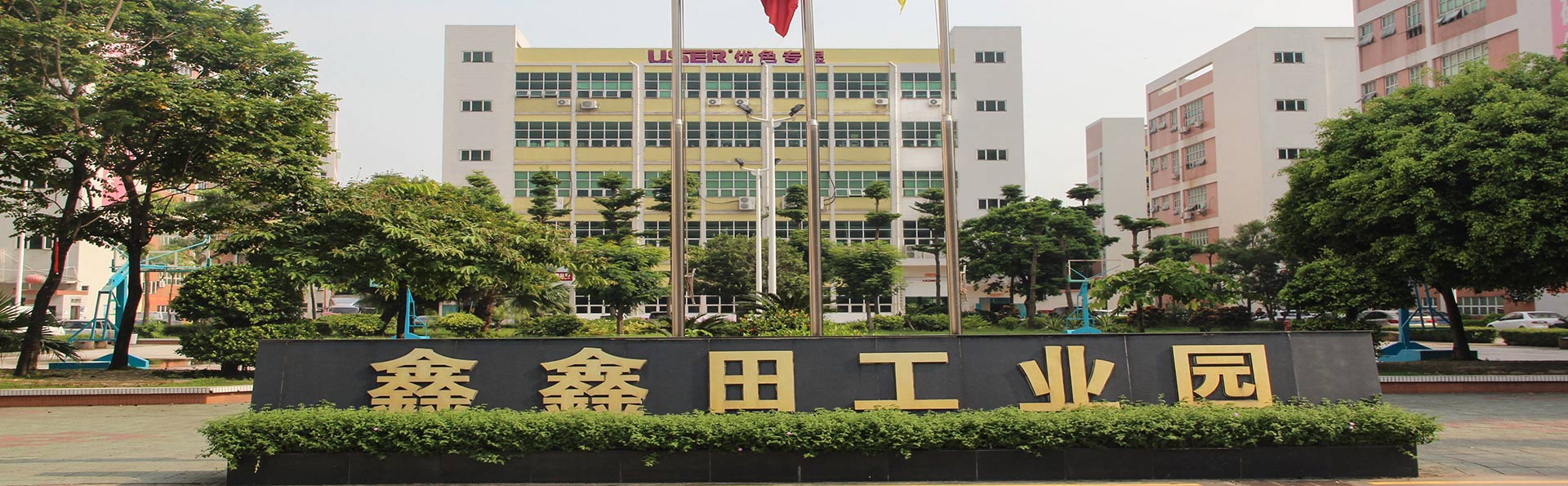
Shenzhen USER Special Display Technologies Co., Ltd. is a high‑tech enterprise with more than 10,000 m² of modern factory space in Bao’an District, Shenzhen, focusing on full‑series LED display manufacturing. The company integrates SMT, module assembly, sheet‑metal processing, and aging testing on automated production lines, ensuring consistent quality from design to final assembly.
USER holds ISO9001, ISO14001, and ISO45001 management system certifications, along with CE, FCC, UL, and RoHS product certifications, and has supplied LED display solutions to more than 80 countries worldwide. With long‑term cooperation experience with international brands and integrators, USER can offer OEM/ODM services, customized cabinet designs, and complete project support for poster LED deployments.
Featured Poster LED and Related Product Series
In its catalog, USER showcases an indoor LED poster solution that emphasizes remote program publishing, timed power control, and multiple installation options such as hanging, vertical, and decorative arrangements. These posters leverage USER’s strengths in high refresh rate, wide color gamut, and efficient power designs to deliver premium visuals with simplified maintenance.
For projects that combine poster LED displays with larger installations, USER provides indoor K and T series small‑pixel‑pitch screens, COB micro‑pitch solutions, outdoor FC and FX energy‑saving fixed screens (including simple and waterproof iron cabinets), as well as transparent and flexible LED displays. This enables a unified ecosystem where iron sheet cabinet poster LED displays act as the front‑line communication tool, backed by large‑format LED walls in the same venue.
Example Specification Table for an Iron Sheet Cabinet Poster LED Display
The following example illustrates typical specifications for an indoor iron sheet cabinet poster LED display inspired by USER’s product ranges and common market configurations:
| Item | Example Value |
| Pixel pitch | P2.5 |
| Cabinet size | 640 × 1920 mm (single poster) |
| Module size | 320 × 160 mm |
| Resolution (W × H) | 256 × 768 pixels (approx.) |
| LED type | SMD2020 indoor full‑color |
| Brightness | 800–1000 nits (indoor) |
| Refresh rate | 1920–3840 Hz |
| Viewing angle (H/V) | 160° / 160° |
| Cabinet material | Iron sheet cabinet |
| Average power consumption | 180–260 W/m² (typical) |
| Input voltage | AC 110–240 V, 50/60 Hz |
| Control method | Asynchronous/synchronous via HDMI, network |
| Installation options | Floor‑standing, wall‑mounted, hanging |
| Maintenance | Front or front/back maintenance |
| Certifications | CE, FCC, RoHS (example) |
Each parameter directly influences real‑world performance: pixel pitch affects clarity at distance, brightness and contrast decide visibility, refresh rate impacts visual comfort, and cabinet material determines structural robustness and long‑term stability.
Purchasing and Project Implementation Tips
Questions to Ask Your Supplier
Before finalizing an iron sheet cabinet poster LED display purchase, consider asking:
- What pixel pitch and cabinet size are recommended for the specific viewing distance and installation height?
- What is the typical brightness range and whether automatic brightness adjustment is supported?
- Which control system and software are included, and does it support remote content management and grouping?
- What certifications does the product hold, and what quality control tests (aging, vibration, waterproof) are performed?
- What are the warranty terms, after‑sales response time, and availability of spare parts or local service partners?
These questions help filter suppliers that only sell hardware from those who can deliver reliable, long‑term display projects.
From Inquiry to Installation with USER LED
Working with USER LED typically involves several stages, from initial consultation to stable operation:
- Requirement analysis: USER’s team reviews site photos, drawings, and project goals to recommend suitable poster configurations and related LED products.
- Solution design and quotation: Engineers provide layout proposals, cabinet drawings, and system diagrams, then issue a detailed quotation including control systems and accessories.
- Production and aging test: LED modules, iron cabinets, and control systems are manufactured and assembled in USER’s factory, followed by long‑time aging tests to ensure stability.
- Logistics and on‑site guidance: Equipment is packed for international shipping, with installation guides, remote support, or on‑site engineers available as needed.
- Operation and optimization: After installation, content strategies and brightness schedules can be optimized to maximize advertising impact and energy savings.
For project consultation or to explore iron sheet cabinet poster LED display solutions, potential partners can visit the official website at https://www.userledscreen.com/ to connect with USER’s sales and technical teams.