
Behind every reliable LED screen brand stands a capable LED display factory that turns designs into stable products. Production environment, automation level, and process control directly influence lifespan, brightness stability, and color uniformity of your display. Many buyers only compare specifications, but the true difference is often hidden in how the factory works day by day.
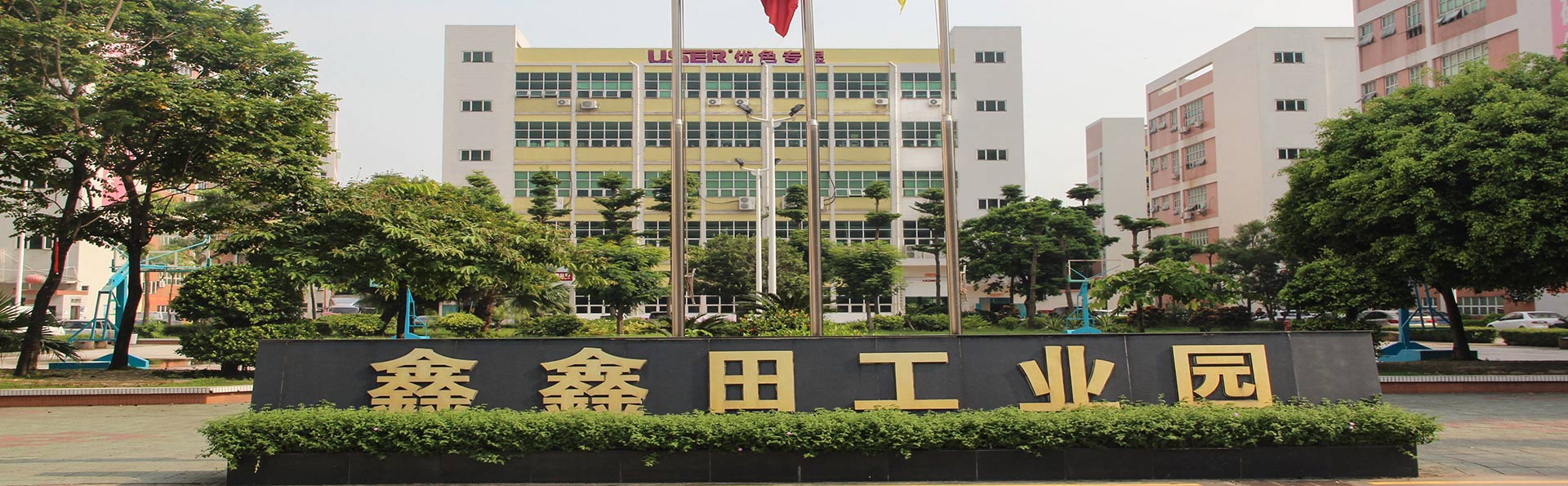
Shenzhen USER Special Display Technologies Co., Ltd. operates a modern led display factory of over 10,000 square meters in Shenzhen, focusing on indoor and outdoor full‑color LED displays, transparent LED screens, flexible modules, and special‑shape solutions. Since 2008, the factory has been continuously upgraded with advanced SMT machines, reflow lines, automatic aging racks, and professional testing equipment.
Inside a modern LED display factory
A professional led display factory is built around repeatable processes and clear quality control points.
Key production areas typically include:
- SMT workshop: high‑precision SMT machines place LED chips and other components onto PCB boards with controlled solder paste volumes and reflow profiles.
- Module assembly: LED modules are assembled, inspected, and tested for brightness and color uniformity before going into cabinets.
- Cabinet assembly: sheet‑metal processing, spray painting, and cabinet assembly ensure mechanical strength and accurate alignment for seamless splicing.
- Aging and testing: finished modules and cabinets go through multiple hours of aging at different brightness levels to expose potential weaknesses.
USER LED’s factory follows this process path and adds strict inspection after each stage to keep defective components from moving further along the line. This structure supports stable lead times even for large OEM/ODM orders.
Certifications and quality management
A led display factory without standardized management can hardly support international growth. USER LED has implemented ISO9001 quality management, ISO14001 environmental management, and ISO45001 occupational health and safety systems across its production activities. For products, the company holds CE, FCC, RoHS, CCC, UL and other certifications for different series, which helps partners meet local market regulations more easily.
Each LED display undergoes:
- Incoming material inspection: checking LED lamps, ICs, PCB, and power supplies against specifications and appearance standards.
- In‑process inspection: random checks during SMT and assembly to detect soldering issues, color differences, and structural problems.
- Final inspection and aging: full functional tests, protection level checks (especially for outdoor displays), and long‑term aging under various patterns.
By keeping a record of these procedures, USER LED can trace back to specific batches if a customer ever faces an issue in the field. This traceability is a key feature that distinguishes a professional led display factory from small assembly workshops.
Product lines from the USER LED factory
USER LED’s factory supports a wide product matrix to meet global needs in commercial display and information publishing.
Main categories include:
- Indoor LED displays: K Series and T Series cover pixel pitches from P0.9 to P5, offering 3840 Hz refresh rate, high contrast ratios, and front maintenance structure.
- Indoor COB micro‑pitch: Flip‑chip COB series starting from P0.78 deliver high reliability, high contrast, and improved surface protection for high‑end control rooms and studios.
- Outdoor LED displays: FC and FX common‑cathode energy‑saving series provide P2.5–P10 options with IP65–IP66 ratings and optimized power consumption.
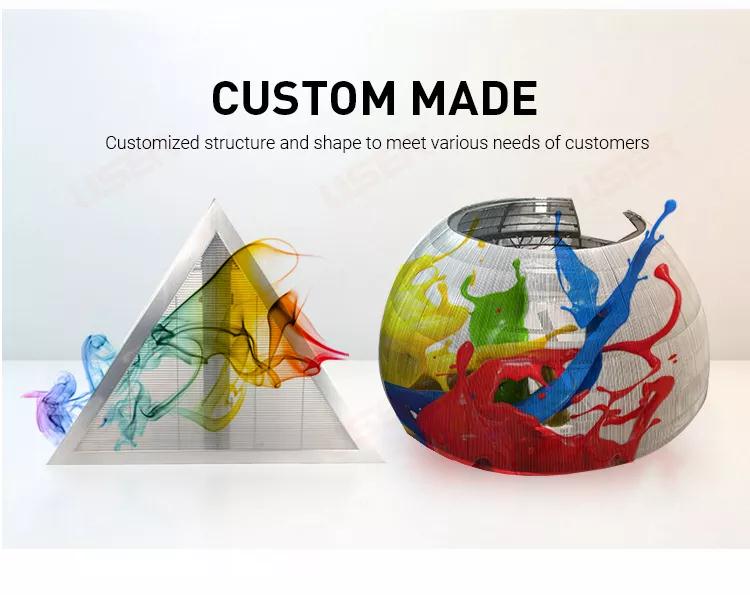
- Flexible and special‑shape screens: soft module series and crystal film screens enable curved, cylindrical, and creative installations with flexible FPC boards and high transparency.
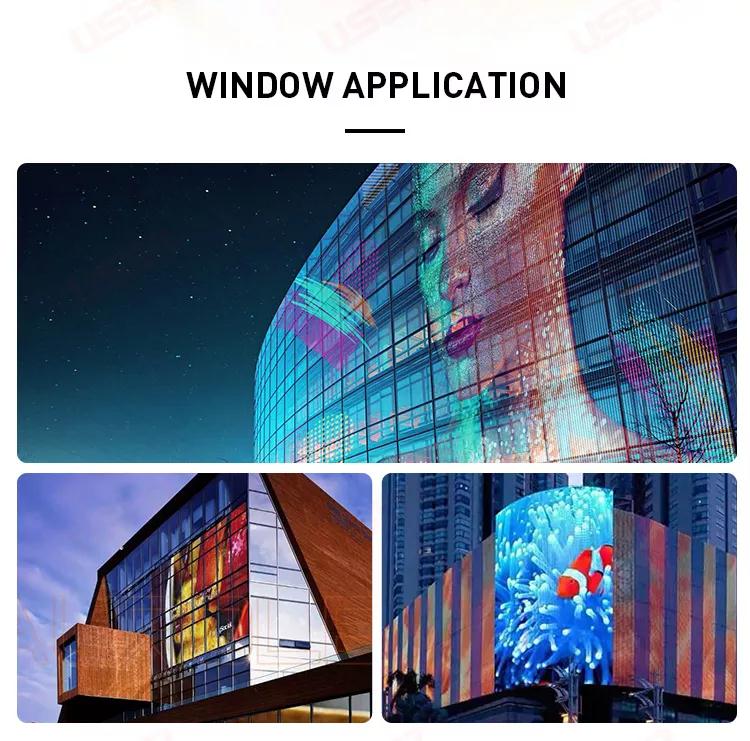
- Transparent LED screens: UT series with transparency levels up to about 78–85%, designed for glass curtain walls, showrooms, and retail facades.
Real‑world cases include transparent LED installations at universities in Hong Kong and shopping malls in England, indoor small‑pitch screens in airports, and outdoor large screens along major city roads. These installations verify that the factory’s products cope well with different climates and use conditions.
OEM/ODM cooperation with a led display factory
For many partners, working directly with a led display factory enables better control over specifications, branding, and cost. USER LED has long experience as an OEM/ODM provider for domestic and overseas listed companies and well‑known brands.
When you cooperate on OEM/ODM, the factory can:
- Customize cabinet sizes, logos, and color schemes to match your brand identity.
- Adjust configurations such as pixel pitch, brightness, power supply brands, and control systems for your target market.
- Provide neutral packaging and training materials so you can serve your own customers more professionally.
Because USER LED has served over 10,000 customers across more than 80 countries, its engineering team understands diverse project requirements, from European outdoor safety standards to Asia–Pacific shopping mall aesthetics. This experience reduces communication cost and speeds up the development of new models.
Why visit or audit your led display factory
If your projects or brand plan depend heavily on LED products, visiting the factory or arranging a video audit is an effective way to build confidence. During a visit to USER LED, you can see SMT machines, module lines, aging racks, and real cabinets under test, and discuss directly with engineers in charge of each production stage.
Such visits help you:
- Confirm that the factory truly has the capacity it claims.
- Evaluate cleanliness, organization, and worker training on the production floor.
- Discuss special requirements, for example for government control rooms, broadcast studios, or 24/7 operations.
By choosing a led display factory like USER LED that is open to audits and long‑term cooperation, you can gradually build a stable supply chain and concentrate on your own market expansion. This is a practical route for distributors, engineering companies, and media operators who want both quality and competitiveness.