
What Is a Small LED Display Screen?
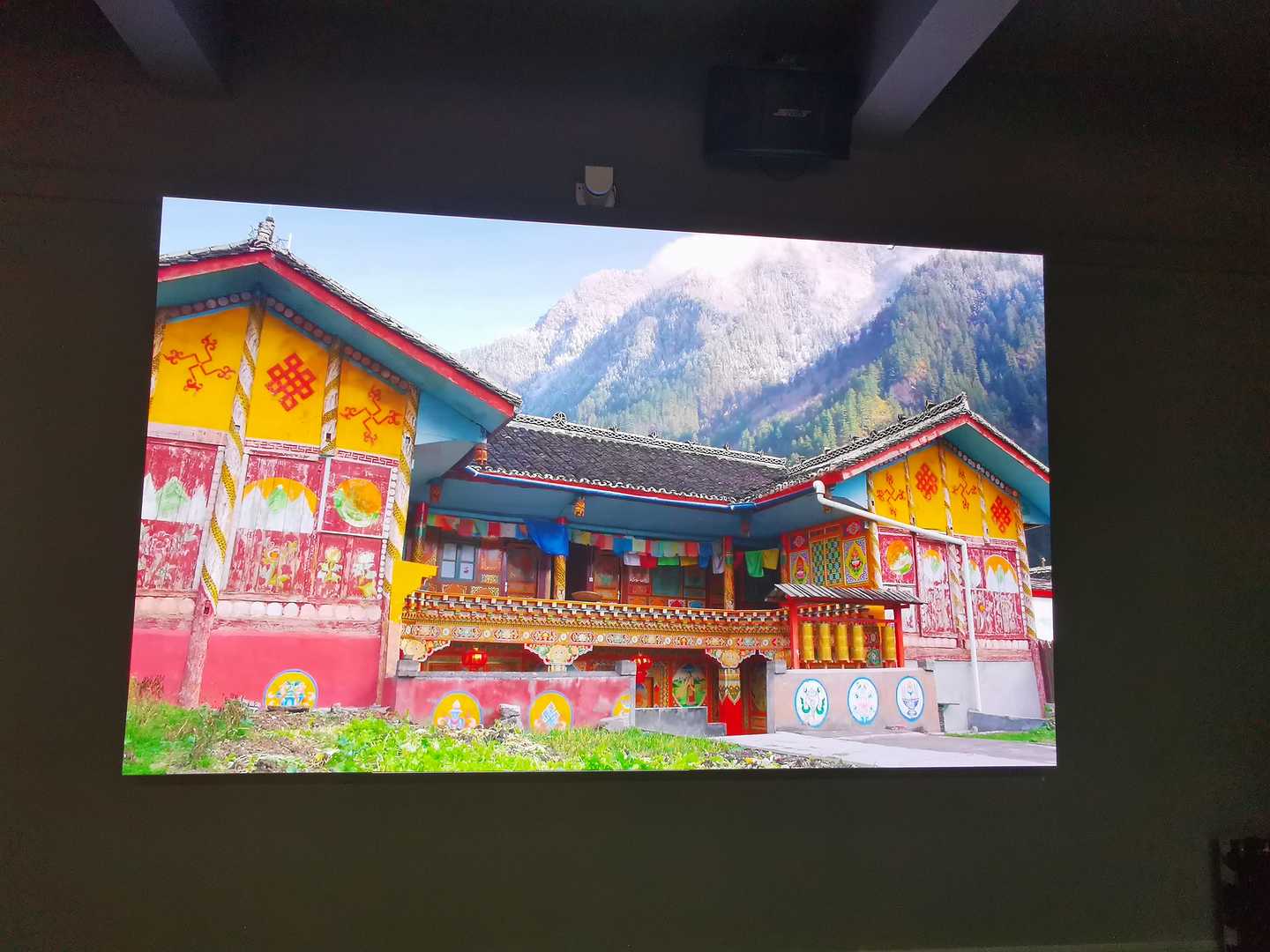
A small LED display screen is a compact, high‑resolution LED panel designed for close‑view indoor viewing, typically ranging from about 1 to 5 square meters in size. It uses densely packed LEDs (fine or small pixel pitch) to deliver sharp images and text even at short viewing distances in commercial spaces such as retail stores and meeting rooms.
Definition and basic concept
- A small LED display screen usually refers to an indoor LED display with limited physical dimensions and a fine pixel pitch (for example P0.9, P1.25, P1.53, P1.86, P2, or P2.5).
- Compared with traditional large outdoor billboards, these displays focus on high resolution, slim cabinets, and clean aesthetics to integrate into shopfronts, lobbies, and conference spaces.
Small-pitch vs conventional LED displays
- Small-pitch LED displays use a smaller distance between pixels, enabling 2K, 4K or even higher resolutions on relatively compact walls, which is ideal for close‑range viewing.
- Conventional LED screens (such as P4, P5, P6 and above) are more suitable for longer viewing distances and often used outdoors or in large venues where extremely fine detail is less critical.
Typical sizes and installation formats for indoor use
- In indoor commercial environments, small LED displays often appear as video walls, poster‑style vertical screens, or integrated wall panels around 1–5 square meters in area.
- Common installation formats include wall‑mounted, recessed, free‑standing, column‑wrapped, curved, or integrated within architectural features, depending on site conditions and brand design.
Key Technical Specifications You Should Understand
Understanding basic technical parameters helps ensure that a small LED display screen delivers the visual performance your project needs.
Pixel pitch and resolution (P0.9–P2.5 examples)
- Pixel pitch is the center‑to‑center distance between adjacent LEDs in millimeters; smaller pitch means more pixels per square meter and higher resolution.
- USER provides fine pixel pitch indoor series such as T and K cabinets with options like P0.93, P1.25, P1.53, P1.56, P1.86, and P2.5, which can form seamless 2K, 4K, or larger video walls for close‑view environments.
Brightness, refresh rate, and contrast ratio
- Indoor small LED display screens typically offer brightness around 500–1500 nits, which is sufficient for retail, offices, and lobbies without causing glare.
- High refresh rates of around 1920–3840 Hz and contrast ratios around 4000:1 or above help prevent flicker, ensure smooth video, and provide deep blacks with vivid colors suitable for branding and premium content.
Viewing distance, viewing angle, and color performance
- For viewing distances below about 2.5–3 meters, pitches around P0.9–P1.53 are recommended; for 2.5–4 meters, P1.86–P2.5 balances performance and cost; beyond 4 meters, coarser pitches such as P2.5–P3.91 may still look sharp.
- USER’s small‑pitch indoor walls typically support wide viewing angles of around 160–178 degrees, maintaining uniform brightness and color across the audience area.
Energy efficiency and common cathode technology
- Energy efficiency is increasingly important for commercial operators, and many modern LED displays use common cathode designs to significantly reduce power consumption and heat.
- USER’s FC and FX outdoor series already adopt common‑cathode energy‑saving technology, and similar energy‑optimized designs and intelligent brightness control can be applied to small indoor LED displays to lower total operating cost.
Main Application Scenarios for Small LED Display Screens
Small LED display screens unlock flexible, high‑impact visual solutions in many indoor commercial environments.
Retail stores, shopping malls, and brand shopfronts
- Fine‑pitch LED walls and poster‑style screens are widely used at store entrances, window displays, and shopping mall corridors to deliver dynamic content, promotions, and brand storytelling that outperform static light boxes and LCD signage.
- USER small LED display solutions are adopted by fashion brands, electronics retailers, automotive 4S stores, and shopping malls worldwide to create immersive, bezel‑free visual experiences that attract traffic and enhance brand perception.
Meeting rooms, boardrooms, and corporate lobbies
- In modern meeting rooms, small LED display screens offer high brightness, high resolution, and seamless surfaces that exceed the capabilities of projectors and traditional LCD panels, especially under bright ambient light.
- Small‑pitch LED walls in corporate lobbies and reception areas can display welcome messages, corporate videos, and real‑time dashboards, reinforcing a high‑tech, premium image to visitors and staff.
Control rooms, monitoring centers, and command centers
- Control rooms require continuous operation, precise detail, and reliable color performance; fine‑pitch LED walls around P0.78–P1.5 are increasingly chosen instead of tiled LCD videowalls because they eliminate bezels and support 24/7 use.
- USER’s COB and small‑pitch series with high grayscale, high contrast, and robust cabinet design are suitable for security monitoring, traffic control, and broadcast environments where clear visualization is critical.
Museums, education, hotels, and premium venues
- Museums, galleries, and experience centers deploy small LED display screens for immersive storytelling, interactive exhibits, and digital art installations where high resolution and flexible shapes are important.
- Hotels and high‑end venues use fine‑pitch LED backdrops in ballrooms, multifunction halls, and VIP lounges to support events, branding, and 3D or creative content playback.
How to Choose the Right Small LED Display Screen
Selecting the best screen means matching technical performance with your specific application, environment, and budget.
Matching pixel pitch to viewing distance and content
- As a practical rule, closer viewing distances require smaller pixel pitch: under about 2.5 meters, consider P0.9–P1.5; 2.5–4 meters, P1.86–P2.5; beyond 4 meters, P2.5–P3.91 or higher may suffice.
- Content type also matters: detailed text, dashboards, spreadsheets, and fine graphics demand finer pitch than simple large headlines or logo loops, especially in meeting rooms and control centers.
Selecting cabinet design, installation, and maintenance method
- USER’s small‑pitch LED solutions use slim, lightweight cabinets such as 600×337.5 mm or 640×480 mm with front‑service designs, enabling easy wall‑mounting and minimal structural depth.
- When planning installation, consider front vs rear maintenance access, load‑bearing capacity of the wall, heat dissipation, and cable routing to ensure both safety and long‑term stability.
Comparing LED vs LCD for indoor commercial advertising
- Compared with LCD, small LED display screens provide much higher brightness and contrast, wider viewing angles, and seamless surfaces without bezels, which are crucial for premium retail and lobby applications.
- LED solutions typically have higher initial purchase cost but deliver better lifetime ROI through longer lifespan, dynamic content impact, lower maintenance, and often lower energy consumption per unit of visual brightness.
Budget, total cost of ownership, and ROI considerations
- Total cost of ownership includes hardware, installation, structure, control system, power consumption, and long‑term service; it is often more meaningful than simply comparing screen price per square meter.
- For retail chains, hotels, and corporate campuses, deploying consistent small LED display screens across multiple sites can deliver strong brand impact and advertising ROI that outweighs the incremental equipment cost versus LCD.
LED vs LCD for commercial applications (reference table)
| Factor | Small LED display screen | LCD commercial display |
| Brightness | Typically 600–1500 nits indoor; higher for special cases. | Usually around 300–700 nits; can appear washed out in bright malls. |
| Contrast | Very high contrast with deep blacks; ideal for luxury and brand visuals. | Lower contrast; backlight leakage reduces black level. |
| Viewing angle | Around 140–178 degrees with minimal color shift. | Narrower effective angle; more color and brightness shift off-axis. |
| Bezel / seamlessness | True seamless walls with no bezels between cabinets. | Visible bezels or frame borders in multi‑screen walls. |
| Lifespan | Often up to 60,000–100,000 hours with proper design. | Typically shorter, especially for CCFL‑backlit models. |
Small LED Display Solutions from USER
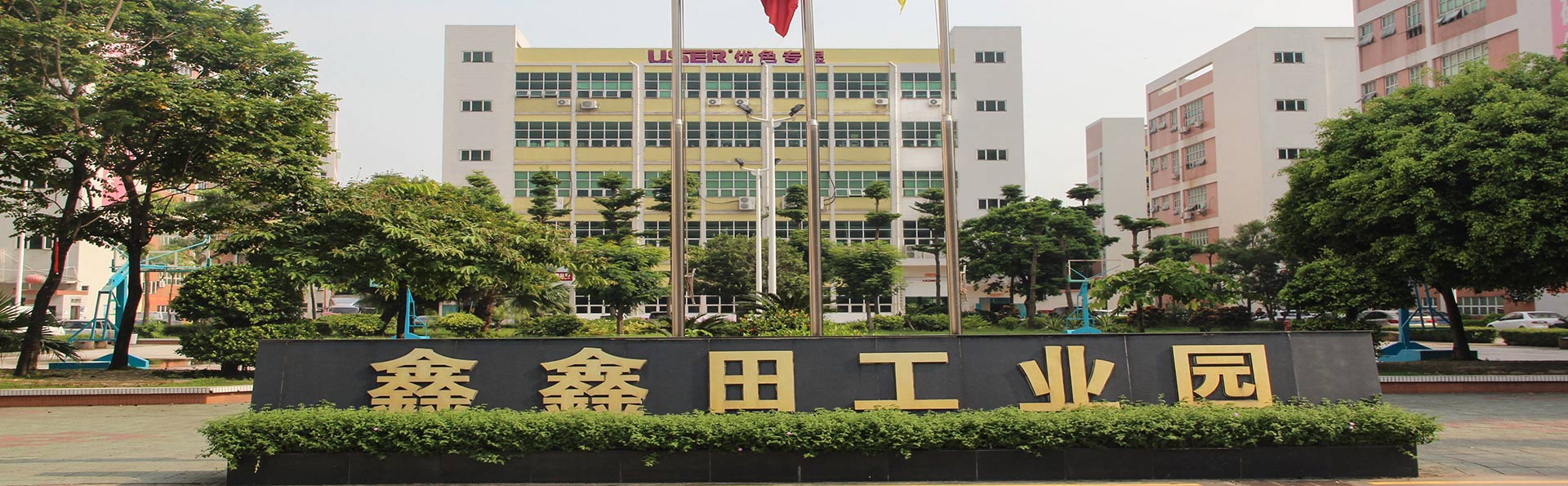
Shenzhen USER Special Display Technologies is a high‑tech manufacturer and integrated commercial display solution supplier focusing on indoor and outdoor LED products since 2008.
Overview of USER as an integrated LED display supplier
- USER operates over 10,000 square meters of modern factory space in Shenzhen with complete SMT, module assembly, cabinet production, and aging lines, supporting large‑scale OEM and ODM projects.
- The company holds ISO9001, ISO14001, ISO45001 and multiple product certifications such as CE, FCC, UL, and RoHS, and exports LED display solutions to more than 80 countries.
USER indoor small-pitch and COB series highlights
- USER’s indoor small‑pitch K and T series offer pixel pitches such as P0.93, P1.25, P1.53, P1.56, P1.86 and P2.5, with cabinet sizes around 600×337.5 mm and 640×480 mm, delivering high‑definition 2K–8K video walls.
- USER’s COB micro‑LED series with pitches like COB0.78, COB0.9, COB1.25, and COB1.56 provide superior surface flatness, durability, and contrast, suitable for high‑end control rooms, studios, and corporate centers.
Flexible and transparent LED options for creative indoor projects
- Beyond standard flat panels, USER supplies flexible LED modules (down to around P1.53–P2.5) that can be bent to create columns, waves, and cylindrical screens, extending possibilities for creative retail or exhibition spaces.
- USER also offers transparent LED and crystal film LED solutions with high transparency (often up to about 78–90 percent) for glass curtain walls, shop windows, and showrooms, combining branding with daylight and open views.
Global project cases and after-sales service advantages
- USER small LED display screens have been installed in shopping malls, airports, universities, hotels, and stores across regions including Europe, the Middle East, Africa, Asia, and the Americas.
- The brand emphasizes full‑cycle service: solution design, production, pre‑installation testing, on‑site guidance or remote support, and long‑term after‑sales, helping overseas partners and integrators deliver stable projects with reduced risk.
Practical Buying Checklist for Small LED Display Screens
A structured checklist simplifies communication with suppliers and ensures that your small LED display project meets expectations.
Technical checklist before you place an order
- Confirm pixel pitch, resolution, brightness, refresh rate, grayscale, and viewing angle requirements based on your venue type and content.
- Clarify cabinet size, total screen dimensions, control system (sending/receiving cards), redundancy options, and compatibility with your existing media players.
Site survey, installation planning, and content strategy
- Conduct a professional site survey to evaluate viewing distances, ambient light, installation structure, power availability, and signal routing before finalizing specifications.
- Plan content strategy in advance: portrait or landscape orientation, static vs dynamic content, use of 3D or anamorphic effects, and integration with your broader omnichannel marketing or information systems.
Working with USER: from design to installation and support
- By partnering with USER via https://www.userledscreen.com/, buyers can obtain one‑stop support that includes solution design, quotation, project drawings, production, and logistics coordination for small LED display screens.
- USER’s experience with global brand clients, luxury retailers, and complex projects allows the team to recommend the right combination of small‑pitch, COB, flexible, or transparent LED for each scenario, helping end users maximize visual impact and return on investment.