
Introduction: Transforming Church Communications Through LED Technology
Churches today face a unique challenge: how to effectively communicate with congregants while maintaining the sacred atmosphere that defines religious spaces. Traditional static posters and bulletin boards, while timeless, cannot match the dynamic communication capabilities that modern congregations expect. This is where church poster LED display have emerged as a transformative solution, bridging the gap between reverence and relevance.
LED poster displays have revolutionized how churches present announcements, share scripture, display event schedules, and guide visitors. Whether positioned at the entrance, in the vestibule, or within the sanctuary itself, these digital displays create immediate visual impact while maintaining operational flexibility. Unlike conventional printed materials that require frequent replacement, church poster LED displays offer cost-effective, sustainable communication that can be updated in real-time—a critical advantage for organizations managing multiple events, service schedules, and community initiatives.
For decision-makers in church administration, building committees, and finance councils, understanding the fundamentals of church poster LED display is essential. This comprehensive guide explores everything from technical specifications to practical implementation considerations, helping your congregation make an informed investment in digital signage that honors both your budget and your spiritual mission.
Understanding Church Poster LED Display: What They Are and Why They Matter
Definition and Core Technology
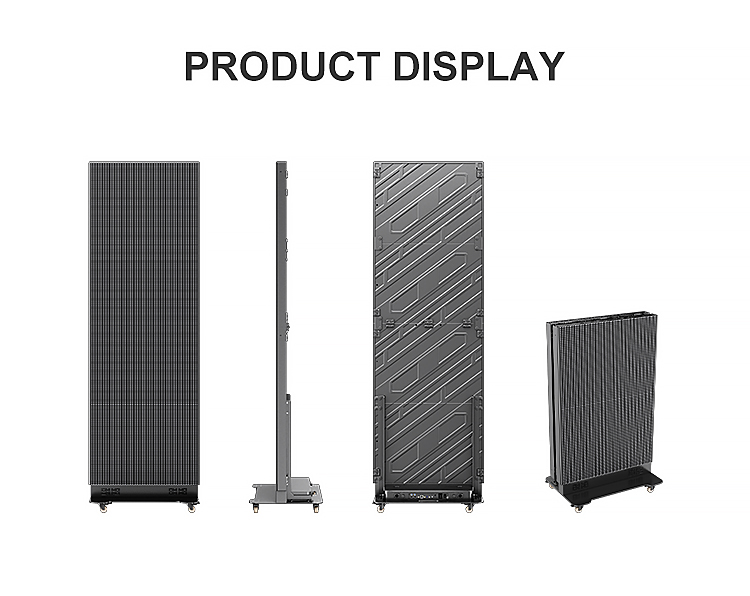
A church poster LED display is a compact, high-definition digital screen that functions similarly to a modern poster or bulletin board, but with the flexibility and visual impact of digital media. These displays utilize LED (Light Emitting Diode) technology—the same underlying technology that powers large outdoor video walls and stadium screens—but engineered specifically for smaller indoor spaces.
The fundamental components of a church poster LED display include:
LED Modules: Individual light-emitting diode units arranged in a grid pattern, each capable of displaying millions of colors with precise brightness control. These modules are measured in “pixel pitch” (the distance between individual LED points), which determines image sharpness and viewing distance.
Power Supply and Control Systems: Integrated electronics that manage power distribution, color reproduction, and content synchronization across the display. Modern systems feature multiple input options—HDMI, USB, Ethernet—allowing easy connection to computers, media servers, and content management systems.
Cabinet Housing: Typically constructed from die-cast aluminum or steel, designed for durability, thermal management, and aesthetic integration into church architecture.
Cooling Systems: Passive or active thermal management to ensure consistent performance and longevity, particularly important in continuous-use environments.
Why Churches Are Adopting LED Poster Displays
The adoption of church poster LED displays reflects several key trends in modern religious practice:
Enhanced Communication: Digital displays enable real-time updates to announcements, prayer requests, upcoming events, and community notices without requiring staff to print and post physical materials. A wedding schedule change, emergency notice, or last-minute event cancellation can be communicated within minutes.
Visual Engagement: Younger congregants and children respond powerfully to visual stimuli. LED displays can complement sermons with relevant imagery, hymn lyrics, scripture passages, and inspirational content that reinforces the spiritual message and maintains engagement.
Operational Efficiency: Churches can eliminate the time, cost, and environmental impact of printing tens of thousands of poster pages annually. Content scheduling systems allow automation—different messages can appear at different times without manual intervention.
Accessibility: For older congregants with vision challenges or hearing impairments, LED displays provide large, bright text and visual information that can be synchronized with spoken announcements. This inclusivity strengthens community participation.
Community Connection: LED displays can showcase the faces and stories of congregation members, highlight community service initiatives, display real-time donation counters for building campaigns, and celebrate milestones—creating a stronger sense of belonging and shared purpose.
Key Technical Specifications for Church Poster LED Display
When evaluating a church poster LED display, understanding technical specifications is crucial. These parameters directly impact image quality, installation requirements, operational costs, and long-term satisfaction.
Pixel Pitch and Resolution
Pixel pitch refers to the distance (in millimeters) between the center of one LED point and the center of the next. This measurement is fundamental to display quality and viewing distance.
| Pixel Pitch | Typical Application | Optimal Viewing Distance | Resolution Example |
| P1.86mm | High-definition, close viewing | 2-3 meters | Ultra-sharp for detailed content |
| P2.0mm | Premium quality, diverse content | 2.5-4 meters | Excellent for scripture and video |
| P2.5mm | General-purpose indoor | 3-5 meters | Ideal standard for most churches |
| P3.0mm | Large auditoriums, distance viewing | 4-6 meters | Suitable for sanctuaries with deep sightlines |
For most church applications, P2.5mm pixel pitch offers the optimal balance between image sharpness, cost-effectiveness, and flexibility. This specification allows crisp text legibility from the front pew while maintaining clear visibility from the back of most sanctuaries.
Brightness and Contrast Ratios
Church environments vary dramatically in ambient lighting—from dimly lit candlelit chapels to brightly lit fellowship halls. Brightness is measured in nits (candelas per square meter).
Brightness Recommendations by Environment:
- Low-light sanctuaries and meditation spaces: 400-600 nits
- Standard sanctuary with controlled lighting: 600-800 nits
- Bright fellowship halls and lobbies: 800+ nits
The contrast ratio (the ratio between the brightest white and darkest black) should exceed 4000:1 for church applications, ensuring that content remains legible even with ambient light and reflections.
Resolution and Aspect Ratio
Standard church poster LED display typically feature:
- 1080p (1920×1080) for 16:9 widescreen content
- 4K (3840×2160) for premium installations where future-proofing is prioritized
Most church content (text-based announcements, hymn lyrics, images) displays effectively on 1080p resolution. However, if your congregation plans to incorporate professional video content, live-stream wedding/funeral services, or create cinematic presentations, 4K resolution provides superior quality.
Refresh Rate and Gray Scale
Refresh rate (measured in Hz) indicates how frequently the display updates its image. For church applications, 3840Hz or higher eliminates visible flicker and provides smooth video playback and text transitions.
Gray scale refers to the number of color gradations the display can produce. A 16-bit gray scale (65,536 shades per color channel) ensures smooth color transitions, natural-looking skin tones in video content, and faithful color reproduction for branding and artistic elements.
Types of Church Poster LED Displays: Finding the Right Format
Fixed Indoor Wall-Mounted Displays
The most common choice for church applications, fixed indoor displays are permanently installed on walls or pillars and deliver consistent messaging.
Ideal For:
- Entrance vestibules and lobby areas
- Hallways announcing upcoming events
- Behind altar areas for visual support during services
- Fellowship hall announcements and dinner menus
- Nursery and Sunday school schedules
Advantages:
- Professional, polished appearance
- Minimal maintenance required
- Excellent content permanence
- Perfect visual integration with church architecture
Considerations:
- Permanent installation requires a structural assessment
- Replacement or repair requires professional intervention
- Limited content flexibility if needs change
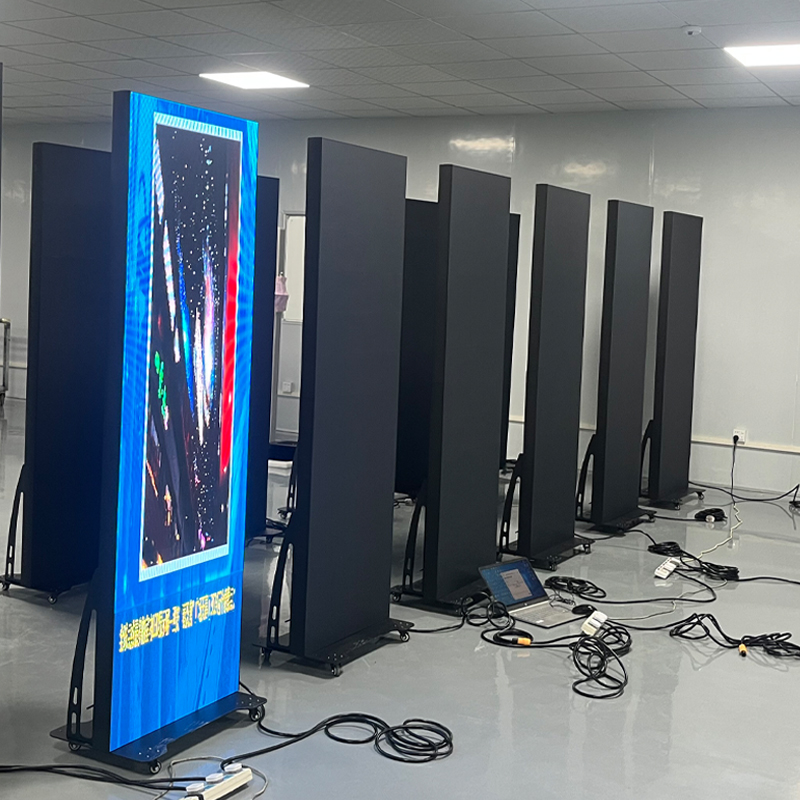
Portable LED Poster Displays
Some churches benefit from mobile displays that can be repositioned based on seasonal needs or temporary campaigns.
Ideal For:
- Multi-purpose halls serving different ministries
- Seasonal campaigns (Advent, Easter, missions)
- Temporary fundraising or capital campaign displays
- Flexible event signage for conferences or retreats
Advantages:
- Repositionable for different ministry needs
- Can be transported between buildings
- Ideal for growing churches still evaluating permanent placements
- No permanent installation required
Considerations:
- Requires secure cable management and safety considerations
- Professional appearance may require custom stands
- Regular transport may increase wear
Transparent and Holographic LED Displays
For churches seeking cutting-edge aesthetics, transparent LED displays allow light and vision through while displaying content.
Ideal For:
- Window installations creating eye-catching street presence
- Modern, technology-forward congregations
- Creating layered visual effects with architectural elements
Advantages:
- Striking visual impact and modern aesthetic
- Maintains sightlines while displaying information
- Highly effective for exterior visibility
Considerations:
- Premium pricing (2-3x standard displays)
- More specialized technical support required
- Lower brightness due to transparency
Selection Criteria: Choosing the Perfect Church Poster LED Display
Space Assessment and Placement Planning
Before selecting any LED display, conduct a thorough space assessment:
Measure Your Space:
- Identify wall mounting location and available space
- Document ceiling height and ambient lighting (test at different times)
- Measure viewing distances from nearest and farthest sightlines
- Assess electrical infrastructure and data connectivity
Consider Sightline Optimization:
- Mount displays at eye level when seated (approximately 1.5 meters high)
- Ensure the display is not obscured by architectural elements, doorways, or exit paths
- Verify that sunlight or reflections don’t create glare on the screen surface
Assess Environmental Conditions:
- Document temperature fluctuations (especially in unheated/uncooled areas)
- Identify moisture sources (bathrooms, exterior walls, water fountains)
- Note dust accumulation patterns and air quality
Content Planning and Technical Requirements
Establish clarity on what your church will display to inform technical specifications:
Content Types:
- Text-based announcements: Requires high resolution and legible fonts
- Scripture passages: Benefits from moderate brightness and good contrast
- Video content: Demands higher refresh rates and color accuracy
- Inspirational images and artwork: Should preserve color fidelity
- Real-time information: Needs integration with church management systems
Update Frequency:
- Static content (updated monthly or less): Simplest, lowest-cost approach
- Weekly content (service updates, announcements): Standard church scheduling
- Daily content (prayer intentions, event countdowns): Requires robust content management
- Live content (streaming, real-time data): Advanced systems requiring technical expertise
Integration with Church Operations
Consider how the LED display will integrate with existing church systems and workflows:
Connectivity Requirements:
- Verify compatible inputs (HDMI, USB, Ethernet) for your content sources
- Assess remote management capabilities if your church manages multiple displays
- Evaluate content management software compatibility with your staff’s technical comfort level
Content Workflows:
- Staff-managed systems: Require easy-to-use software; train designated personnel
- Automation systems: Can schedule recurring content (weekly announcements, hymn lyrics)
- External content sources: Display feeds from your website, email newsletters, or social media
Integration with Church Management Systems:
- Modern displays can integrate with church management software (Planning Center, Breeze, etc.) to automatically pull service information, volunteer schedules, and announcements
- This integration eliminates manual data entry and reduces errors
Budget Considerations
Understanding the total cost of ownership helps identify the best value:
Initial Investment:
- Display hardware costs typically range from $3,000-$15,000 depending on size and specifications
- Installation and structural modifications may add $1,000-$5,000
- Content management software: $0-$2,000 annually (many quality options exist at various price points)
Operational Costs:
- Power consumption: Typically 200-600W, resulting in $200-$600 annually (U.S. average electricity rates)
- Maintenance and support contracts: $500-$2,000 annually (varies by church size and support level)
- Content creation: May require hiring professional designers or videographers
Return on Investment:
- Eliminate printing costs (typically $2,000-$8,000 annually for churches)
- Reduce staff time managing physical bulletin boards
- Improve attendance through better communication and event visibility
- Enhance giving through compelling messaging and capital campaign visibility
Installation Considerations and Best Practices
Professional Installation Requirements
While some smaller LED displays can be installed by capable church volunteers, professional installation is strongly recommended for several reasons:
Structural Integrity: Professional installers assess wall load-bearing capacity and install appropriate mounting hardware. LED displays can weigh 15-50+ kilograms depending on size and specifications.
Electrical Safety: Proper electrical installation ensures grounding, circuit protection, and code compliance. Churches should hire licensed electricians to integrate LED display power requirements with existing electrical systems.
Network Integration: Data connectivity—especially if integrating with church management systems or supporting live streaming—requires professional configuration.
Warranty Protection: Professional installation through authorized distributors typically includes manufacturer warranties and support commitments.
Placement Best Practices
Optimal Display Positions:
- Entrance/Lobby Area: Create strong first impressions with welcoming messages, service schedules, and upcoming events
- Sanctuary (Rear Wall or Side Pillar): Support sermons with scripture verses, song lyrics, and visual content complementing the pastor’s message
- Fellowship Hall: Display announcements, upcoming events, volunteer opportunities, and celebration messages
- Nursery/Children’s Areas: Show class schedules, activities, and safety information
- Hallway Junction: Maximize visibility and foot traffic exposure
Height and Viewing Angle:
- Mount at seated eye level (approximately 1.5m) for primary viewing
- Verify visibility from both distant and near sightlines
- Test installation before permanent mounting using temporary fixtures
Cable Management:
- Route power and data cables through walls or conduit when possible
- Maintain professional appearance by hiding cables from congregation view
- Use labeled conduit for future maintenance and modifications
Maintenance Planning
LED displays require minimal maintenance but benefit from preventative care:
Regular Maintenance:
- Quarterly cleaning: Gently wipe display surface with microfiber cloth to remove dust (never use water or harsh chemicals)
- Semi-annual system checks: Verify all connections are secure; test all functionality
- Annual professional service: Professional technicians can identify issues and ensure optimal performance
Environmental Protection:
- Maintain ambient temperature between 0-40°C (optimal: 15-35°C)
- Protect from direct moisture exposure; ventilate humid areas adequately
- Install displays away from direct sunlight exposure when possible
Content Strategy for Church Poster LED Displays
A beautiful display without strategic content is a missed opportunity. Successful churches develop comprehensive content strategies:
Content Calendar Planning
Establish recurring content patterns:
Service Support Content:
- Scripture passages referenced in weekly sermons
- Hymn lyrics and song titles
- Prayer intentions and intercessions
- Responsive readings and liturgical elements
Announcement Content:
- Weekly service times (with variations for holidays)
- Upcoming events (concerts, fellowship dinners, mission trips)
- Volunteer opportunities and urgent needs
- Committee meetings and group schedules
Inspirational and Missionary Content:
- Daily biblical reflections or “Verse of the Day”
- Church values and mission statement messaging
- Stories of community outreach and service
- Celebration of congregant milestones and achievements
- Real-time prayer request counters
Operational Information:
- Children’s classroom assignments
- Visitor information and connection steps
- Giving/donation information and campaign progress
- Parking and facility navigation
Design Best Practices
Text and Typography:
- Font selection: Use clear, readable fonts (avoid decorative or thin fonts that lose clarity at a distance)
- Font sizing: Ensure text is legible from the farthest viewing distance; use 1.5 mm of screen height per meter of viewing distance as a baseline
- Color contrast: Black text on white background offers maximum legibility; white text on dark backgrounds works well for evening content
- Minimize text: Use concise messaging; aim for 5-7 words per slide for announcements
Imagery and Visual Elements:
- Use high-quality, professional images rather than low-resolution web graphics
- Incorporate church photography and congregant images to increase personal connection
- Maintain visual consistency with church branding (colors, logos, fonts)
- Balance visual interest with readability—avoid cluttered designs
Motion and Video:
- Use motion sparingly and purposefully; constant animation creates distraction rather than engagement
- Transitions should be smooth and professional (2-3 second transitions between slides)
- Video content should be high-definition (1080p minimum) to justify the visual medium
- Incorporate audio selectively; ensure speakers are quality and positioned appropriately
Content Update Workflow
Establish clear procedures for creating and approving content:
- Content Request: Ministry leaders submit content requests to designated display manager
- Content Creation: Professional designer or template-based system creates content
- Approval Process: Administrative review ensures accuracy and appropriateness
- Scheduling: Content is scheduled for specific dates/times in content management system
- Review and Adjustment: Monitor display performance and gather feedback for continuous improvement
Advanced Features and Integration Opportunities
Content Management Systems
Modern church poster LED displays integrate with content management software enabling:
- Remote Access: Update content from office, home, or mobile device
- Scheduling Automation: Content displays automatically at designated times
- Multi-Display Management: Control multiple displays throughout church facility from single platform
- Template-Based Design: Pre-designed templates reduce design time and maintain consistency
- Analytics and Reporting: Track display uptime, content engagement, and effectiveness
Popular Options:
- Planning Center’s Display System integrates directly with worship scheduling
- Breeze Church Software offers built-in display capabilities
- Signage-specific platforms like Xibo, Rise, and Carousel offer flexibility for various industries
Integration with Church Management Systems
Seamless integration allows automatic pulling of data:
- Service Information: Automatically display current and upcoming service times
- Event Announcements: Pull from church calendar; automatically remove past events
- Volunteer Schedules: Real-time display of volunteer assignments
- Financial Giving: Display giving progress toward campaigns and pledges
- Attendance Counting: Provide real-time feedback during services
Live Streaming and Broadcast Integration
For churches expanding into online ministry:
- Display can serve as broadcast monitor during live streaming
- Integrate with Zoom, YouTube, or church streaming platform
- Show real-time viewer counts and prayer requests from online congregation
- Create immersive experience blending in-person and online communities
Comparison: Church Poster LED Displays vs. Traditional Alternatives
| Feature | LED Poster Display | Printed Posters | Digital LCD Display | Projector System |
| Initial Cost | $$$$ | $ | $$$ | $$ |
| Operating Cost | $$$ | $$ | $$ | $$ |
| Update Frequency | Excellent | Poor | Good | Good |
| Visual Impact | Excellent | Moderate | Good | Moderate |
| Durability | Excellent (50,000+ hours) | Fair | Good | Fair |
| Brightness | Excellent | N/A | Good | Fair |
| Power Consumption | Moderate | None | Low | Moderate |
| Installation Complexity | Moderate-High | Low | Moderate | Moderate |
| Content Flexibility | Excellent | Poor | Excellent | Excellent |
| Maintenance Required | Minimal | Frequent | Minimal | Moderate |
| Lifespan | 7-10+ years | Weeks | 3-5 years | 3-5 years |
LED poster displays represent a long-term investment that becomes increasingly cost-effective over time, especially for churches with frequent communication needs.
Why Choose USER LED Screen for Church Poster LED Displays
Company Background and Expertise
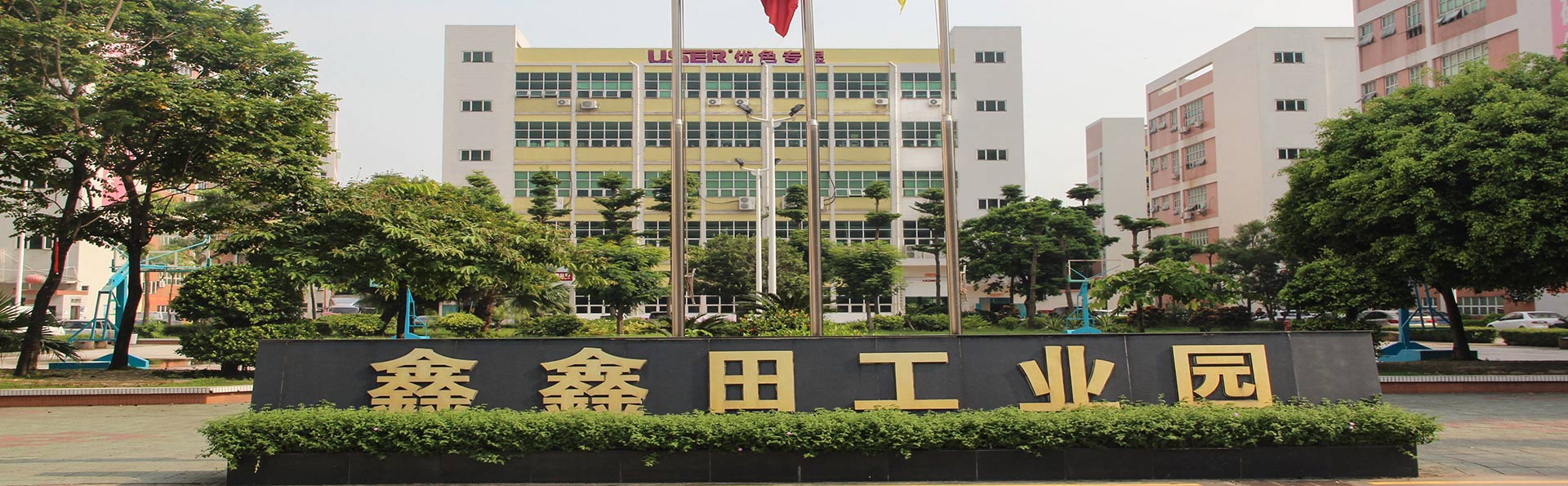
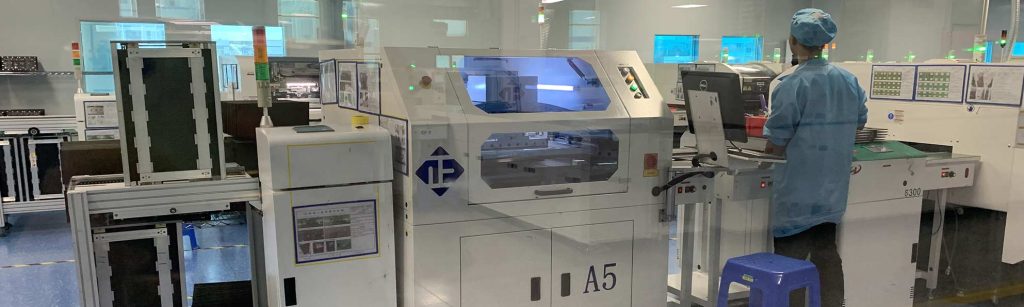
Shenzhen USER Special Display Technologies Co., Ltd. has been manufacturing professional LED display solutions since 2008. The company operates a state-of-the-art facility with over 10,000 square meters of manufacturing space, advanced automated production lines, and comprehensive quality control systems. This 15+ year track record demonstrates stability, expertise, and commitment to quality.
Comprehensive Product Range
USER offers versatile LED display solutions suitable for church applications:
Indoor Poster Displays: USER’s indoor LED poster series (P1.86, P2.0, P2.5, P3.0) specifically target the church, retail, hospitality, and corporate communication markets. These displays combine high image quality with practical dimensions suited to church spaces.
Rental and Flexible Systems: For churches still evaluating permanent installations or needing temporary displays for special events, USER’s rental-grade displays provide flexibility without long-term commitment.
Custom Solutions: As an OEM/ODM manufacturer, USER specializes in customized displays tailored to specific church requirements—unique dimensions, specialized mounting systems, or integrated architectural solutions.
Quality Assurance and Certifications
USER maintains rigorous quality standards:
- ISO 9001:2015 Certification: Demonstrates commitment to quality management systems
- CE, FCC, RoHS, UL Certifications: Ensures compliance with international safety and environmental standards
- Comprehensive Testing Facilities: Drop testing, salt spray testing, thermal testing, and humidity testing ensure displays withstand real-world conditions
- 80-Country Global Presence: Extensive international installations provide confidence in worldwide support and spare parts availability
Technical Support and After-Sales Service
USER provides comprehensive support:
- 24-Hour Technical Support: Responsive assistance for any technical questions or issues
- Dedicated After-Sales Team: Professional technicians available for installation guidance, troubleshooting, and service
- Worldwide Service Network: Global branch offices and partner networks ensure local support
- Flexible Service Packages: Options range from standard warranty to comprehensive service agreements
Competitive Pricing and Value
USER’s manufacturing scale and direct supplier model provide competitive pricing while maintaining quality. The company’s factory-direct approach eliminates middlemen, providing better value for churches managing limited budgets.
Implementation Case Studies: Real-World Church Applications
Case Study 1: Traditional Sanctuary Enhancement
Church Profile: 400-member mainline denomination church; traditional architecture; diverse age demographics
Challenge: Weekly printed bulletins and bulletin boards failed to engage younger members; difficult to communicate last-minute changes; significant printing costs.
Solution: USER P2.5mm display installed on side pillar visible from all sanctuary seating; content management system integrated with church management software.
Results:
- 60% reduction in printing costs
- Improved attendance to announced events
- Increased engagement among younger members through multimedia content
- Real-time capability to announce prayer concerns and pastoral updates
Case Study 2: Multi-Campus Communication
Church Profile: Rapidly growing evangelical church with 3 buildings; 2,000+ members
Challenge: Difficulty coordinating information across campus; visitors confused about event locations; staff spent excessive time managing printed signage.
Solution: Network of 5 USER displays across main campus; centralized content management system controlling all displays from single administrative office.
Results:
- Unified messaging across campus
- Improved visitor experience and navigation
- 15 hours/week staff time savings
- Professional, cohesive facility appearance
Case Study 3: Community Connection and Engagement
Church Profile: Urban community church emphasizing social justice and outreach; 200 members; diverse demographic
Challenge: Limited awareness of community service opportunities; difficulty showcasing impact stories; challenge attracting younger members.
Solution: Large USER P2.5 display in fellowship hall programmed with rotating community service photos, volunteer opportunities, and member stories.
Results:
- 40% increase in volunteer participation
- Stronger sense of community and shared mission
- Attracted younger demographics through compelling visual storytelling
- Enhanced fundraising for community initiatives
Future Trends and Emerging Opportunities
AI-Powered Personalization
Emerging displays incorporate AI to:
- Customize messaging based on service attendance patterns
- Optimize display timing to maximum traffic flows
- Analyze engagement metrics to improve content effectiveness
Interactive Display Integration
Next-generation displays support:
- Touchscreen capability for visitor information access
- Motion sensors triggering content changes
- Integration with mobile apps for enhanced engagement
Sustainable and Eco-Friendly Displays
Environmental consciousness increasingly influences purchasing:
- Energy-efficient LED technology reducing power consumption
- Recycled materials in cabinet construction
- Extended display lifecycles reducing waste
Augmented Reality and Hybrid Experiences
Advanced churches explore:
- AR apps complementing physical displays
- Blended in-person and digital experiences for remote congregation members
- Interactive experiences enhanced by physical and digital layers
Conclusion: Investing in Your Church’s Communication Future
Church poster LED displays represent more than a technology upgrade—they embody your congregation’s commitment to effective communication, accessibility, and stewardship. In an era when attention is fragmented and expectations for professional communication are high, LED displays demonstrate that your church values clear information, visual excellence, and member engagement.
The decision to invest in a church poster LED display should reflect thoughtful consideration of your specific ministry context: your facility layout, congregation demographics, content needs, and strategic communication goals. The substantial variety of display sizes, specifications, and pricing ensures that virtually every church—from intimate chapels to large cathedral facilities—can find a solution within budget constraints.
USER LED Screen’s 15+ year history, comprehensive product range, and commitment to quality support make them an excellent partner for churches seeking reliable, professional display solutions. Whether implementing a single display in your sanctuary or coordinating multiple displays across a multi-building campus, partnering with an experienced manufacturer ensures professional results and dependable long-term support.
As your church evaluates digital signage solutions, remember that the most effective displays balance aesthetic excellence with strategic communication planning. The technology is merely a tool—the true value emerges when thoughtful content strategy, professional design, and clear communication objectives align to create meaningful member experiences.
By investing in church poster LED display today, you’re not just upgrading your physical plant; you’re affirming your commitment to meeting your congregation where they are—in an increasingly digital world—while maintaining the sacred reverence that defines your spiritual community.
For more information about USER LED Screen’s indoor LED poster displays and custom solutions, visit https://www.userledscreen.com/ or contact their professional team to discuss your church’s specific requirements and budget parameters.
Additional Resources
Related Products from USER LED Screen:
- Indoor LED Poster Series: https://www.userledscreen.com/
- LED Display Solutions: https://www.userledscreen.com/
- Customized Display Services: https://www.userledscreen.com/
Church Technology Resources:
- Planning Center Online: Church management and display integration
- Breeze Church Software: Integrated communication and display solutions
- Church Tech Today: Best practices in church technology implementation