
In the world of events, exhibitions, and live productions, visual impact is everything. Yet for rental companies, event planners, and production houses, budgets are always under scrutiny. The search for a cheap rental LED display is universal—but so is the fear of ending up with equipment that fails mid-show, looks unprofessional, or requires constant maintenance.
The truth is, “cheap” and “quality” are not mutually exclusive. The key is knowing where to look, what to check, and how to distinguish between a genuine value proposition and a costly mistake waiting to happen. This guide is designed for rental businesses, event organizers, and AV professionals who need affordable LED screens that deliver reliable, professional performance every single time.
What Does “Cheap” Really Mean in the Rental LED Display Market?
Before diving into product selection, it’s essential to redefine what “cheap” means in the context of rental LED displays.
Price vs. Value: Understanding the Difference
The lowest price tag is rarely the lowest total cost. A screen that costs 30% less but fails twice as often, consumes more power, and lasts half as long is actually more expensive over its lifetime. Value is the intersection of upfront affordability, reliable performance, and long-term durability.
When searching for a cheap rental LED display, your goal should be maximum value: a screen that meets your technical requirements, survives the rigors of frequent transport and setup, and comes from a supplier who stands behind their product.
The Price Range Spectrum for Rental LED Screens
Understanding market pricing helps set realistic expectations. Rental LED displays are typically categorized by pixel pitch and application:
- Fine Pitch Indoor Rental (P2.6, P2.9, P3.9): Higher resolution for close viewing at corporate events, product launches, and high-end exhibitions. These command premium pricing.
- Standard Indoor/Outdoor Rental (P3.9, P4.8): Workhorses for concerts, trade shows, and large gatherings. Mid-range pricing with broad availability.
- Budget-Grade Options: Screens priced significantly below market averages often cut corners on LED quality, cabinet materials, and testing protocols.
A genuinely affordable screen sits at the lower end of the standard range—not below it. If a price seems impossibly low, it’s likely because something essential has been compromised.
5 Critical Quality Checks Before Buying a Cheap Rental LED Display
To ensure your affordable investment doesn’t become an expensive regret, apply these five quality checks before making a purchase decision.
Check #1: Cabinet Construction & Durability
Rental LED screens live a hard life. They are packed, transported, assembled, disassembled, and packed again—sometimes weekly. Cabinet construction is your first line of defense against premature failure.
What to look for:
- Die-cast aluminum cabinets: These provide an optimal balance of strength and weight. They resist bending or warping during transport and maintain precise alignment between panels.
- Reinforced corners and locking mechanisms: Rental screens are stacked and often handled roughly. Look for metal corner protectors and robust, quick-release locks that won’t wear out after repeated use.
- Consistent flatness: Panels should lock together seamlessly without gaps or uneven surfaces.
Red flags to avoid:
- Plastic or stamped sheet metal construction that flexes under pressure.
- Locking mechanisms that feel loose or cheap.
- Visible gaps between demo panels when assembled.
Check #2: Genuine LED Brand vs. No-Name Components
The LEDs themselves are the heart of your display. Their quality determines brightness, color consistency, viewing angles, and lifespan. In the quest for a cheap rental LED display, this is where corners are most often cut.
What to look for:
- Reputable LED brands: Ask specifically for LED brands like Nationstar, Kinglight, Cree, or Nichia. These manufacturers maintain strict quality control and provide consistent binning (sorting by brightness and color) for uniform displays.
- Detailed specifications: A transparent supplier will tell you exactly which LEDs and driver ICs they use, not just “high-quality components.”
Red flags to avoid:
- Vague answers about LED origin.
- Inability to provide datasheets or binning information.
- Unusually low brightness claims for the pixel pitch.
Check #3: Refresh Rate & Scanning Mode
Rental applications increasingly involve video recording, live streaming, and photography. A screen that looks fine to the naked eye may reveal horrible flickering or scan lines when viewed through a camera lens. This is a deal-breaker for corporate events, broadcast productions, and any professionally documented occasion.
What to look for:
- Minimum 1920Hz refresh rate: This is the baseline for flicker-free recording. For broadcast or cinema applications, 3840Hz is preferred.
- High-quality driver ICs: These control how the LEDs are lit. Better ICs enable higher refresh rates and smoother grayscale.
Red flags to avoid:
- Visible flickering, even on a smartphone camera test.
- Refresh rate not specified or listed below 1920Hz.
- “Scan lines” appearing in video footage of the screen.
Check #4: IP Rating & Environmental Protection
Even screens labeled “indoor rental” face environmental challenges: dust from exhibition halls, humidity from outdoor events, or accidental spills during setup. Understanding IP (Ingress Protection) ratings helps match the screen to your actual operating conditions.
What to look for:
- Indoor rental: Minimum front IP40 protection against particles larger than 1mm.
- Outdoor rental: Minimum IP65 (dust-tight and protected against water jets). Some events require higher ratings for extreme weather.
Red flags to avoid:
- No IP rating provided at all.
- Claims of “waterproof” without certification to support them.
- Outdoor-rated screens that lack proper gasketing and sealing.
Check #5: Modular Serviceability & Spare Parts Availability
In rental operations, downtime is lost revenue. When a module fails—and eventually, some will—you need to fix it immediately, not wait weeks for replacement parts.
What to look for:
- Front-serviceable design: Allows module replacement without dismantling the entire screen structure.
- Standardized components: Common module sizes and connector types ensure you can source spares quickly, even from secondary suppliers if needed.
- Local spare parts stock: Ask if your supplier maintains inventory in your region and typical shipping times.
Red flags to avoid:
- Sealed, unrepairable cabinet designs.
- Long lead times (weeks or months) for spare modules.
- Proprietary components that lock you into a single supplier.
The Hidden Costs of Ultra Cheap Rental LED Displays
Sometimes, the lowest-priced screen carries costs that don’t appear on the invoice. Understanding these hidden expenses helps you make a truly informed decision.
Higher Failure Rates & Event Day Risks
A screen with poor quality control may ship with latent defects that emerge after a few uses. Imagine setting up for a major corporate gala only to find a row of dead pixels. The cost isn’t just repair—it’s client trust, reputation damage, and potential refunds or penalties. Rental companies succeed on reliability. One high-profile failure can erase years of savings from buying cheap equipment.
Increased Power Consumption
Inefficient LED drivers and poor thermal design mean higher electricity bills. For a multi-day event or a rental fleet operating year-round, this adds up. Compare power consumption specs carefully. Modern energy-efficient designs, such as those utilizing Common Cathode technology, can reduce power consumption by 30-40% compared to conventional screens. Over the life of a rental fleet, this represents thousands of dollars in savings.
Short Lifespan & Rapid Depreciation
A quality rental LED screen, properly maintained, can remain in service for 5-7 years. An ultra-cheap screen may show significant degradation—color shift, dead pixels, cabinet warping—in just 2-3 years. Calculate the annualized cost:
- Quality screen: $10,000 ÷ 5 years = $2,000 per year
- Cheap screen: $6,000 ÷ 2 years = $3,000 per year
The “cheap” option costs 50% more per year of usable life. That’s not a bargain—it’s a premium.
Poor After-Sales Support
When something goes wrong—and it will—who answers the phone? Ultra-low-cost suppliers often provide minimal technical support, no firmware updates, and warranties that are difficult to enforce. Rental companies need partners who understand their business urgency and respond within hours, not weeks.
How to Vet a Supplier for Cheap Rental LED Displays
Finding the right supplier is as important as selecting the right screen. Here’s how to evaluate potential partners.
Request Factory Audit Reports & Certifications
Legitimate manufacturers invest in quality management systems. Ask for:
- ISO 9001: Quality management certification
- ISO 14001: Environmental management
- ISO 45001: Occupational health and safety
- Product certifications: CE, RoHS, FCC, UL for relevant markets
These certifications indicate a commitment to consistent quality and regulatory compliance that budget suppliers often lack.
Ask for Customer References & Rental-Specific Case Studies
A supplier who understands the rental industry designs products differently. They prioritize durability, quick setup, and serviceability. Request:
- Contact information for 2-3 rental company customers.
- Case studies showing similar applications (concerts, exhibitions, corporate events).
- Photos or videos of actual rental deployments, not just factory showrooms.
Check Warranty Terms & Response Times
Understand exactly what is covered and for how long:
- Minimum 2-year warranty on parts is standard for quality manufacturers.
- Clarify the claims process: Do you return faulty modules? Who pays shipping?
- Ask about technical support availability (24/7? business hours only?) and response time commitments.
Read Between the Lines on Specifications
Some suppliers inflate specifications to appear competitive. Compare claims against industry benchmarks:
- Is the claimed brightness realistic for the pixel pitch and LED type?
- Does the power consumption align with brightness claims (higher brightness typically requires more power)?
- Can they provide third-party test reports to validate key specs?
If specifications seem too good to be true—like a P3.9 outdoor screen claiming 8000 nits at extremely low power—ask for evidence. Reputable manufacturers can provide data.
Case Example: What Quality Looks Like in an Cheap Rental LED Display
To illustrate these principles in action, consider how a manufacturer with deep industry experience approaches the challenge of delivering value without compromising quality.
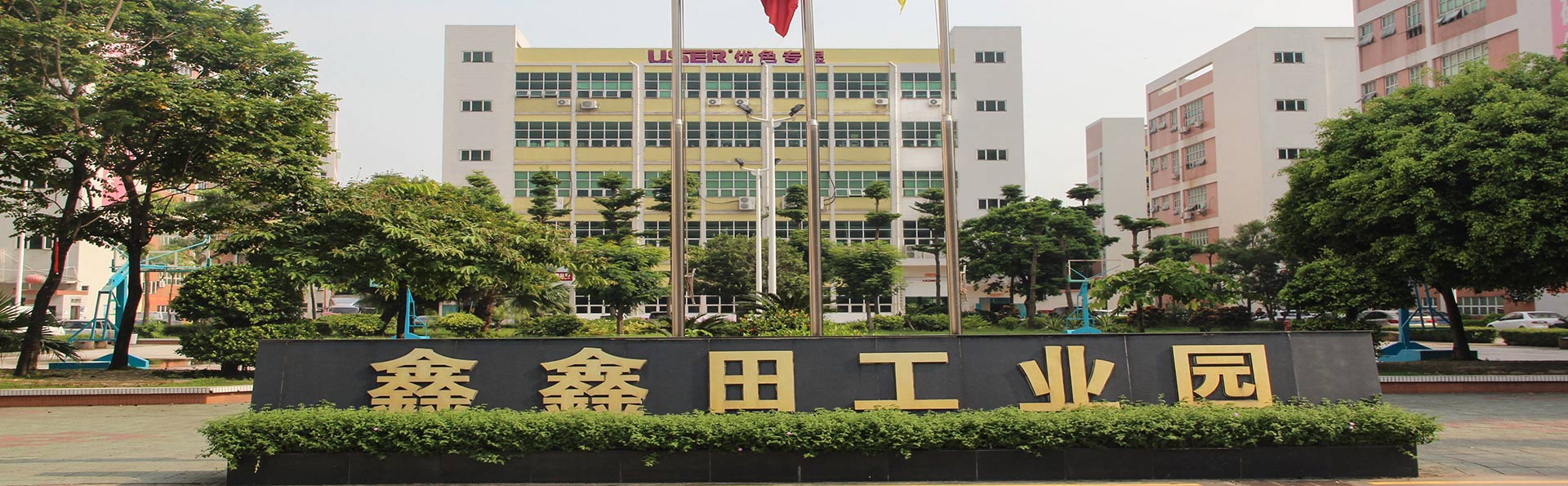
USER LED, with 17 years in the display industry and a 10,000+ square meter automated manufacturing facility in Shenzhen, has developed a comprehensive rental product line specifically designed for the demands of frequent transport, fast setup, and reliable performance.
USER’s Rental Series: Engineered for Value
- USER RF Series (Standard Hard Connection Rental): Features die-cast aluminum cabinets, quick-lock connectors for rapid assembly, and front/rear serviceability. Refresh rates exceed 1920Hz, ensuring flicker-free video recording. These are the workhorses for concerts, exhibitions, and large-scale events.
- USER UN Series (Soft Connection Portable Rental): Designed for maximum portability and curved installations. Lightweight cabinets with flexible connections allow creative stage designs while maintaining signal integrity. Ideal for touring productions and temporary installations.
- USER UP Series (High-Definition Rental): Fine pixel pitches including P2.6 and P2.9 for corporate events, product launches, and close-viewing applications where image quality is paramount.
Quality Indicators Across All USER Rental Products
- Manufacturing Excellence: Automated SMT lines, precision assembly, and rigorous in-process quality checks ensure consistency.
- Comprehensive Testing: Every cabinet undergoes drop testing, high/low temperature cycling, and salt spray testing for outdoor-rated models.
- Industry-Leading Defect Control: Internal data shows final defect rates below 1.7%, significantly better than industry averages.
- Global Support Network: 24/7 technical support with 48-hour response commitment. Spare parts availability through regional distribution channels.
- Extended Warranty Options: Up to 3-year warranty coverage for qualified rental partners.
Rental-Specific Design Philosophy
USER’s rental screens incorporate features learned from thousands of rental deployments worldwide:
- Redundant power supply options for mission-critical events.
- Module-level calibration to maintain color consistency across large video walls assembled from different production batches.
- Compatibility with industry-standard rental controllers and processors, reducing integration headaches.
- Quick-service design allowing module replacement in minutes, not hours.
5 Questions to Ask Every Supplier Before Buying a Cheap Rental LED Display
Before finalizing any purchase, use this checklist to vet your potential supplier:
- What brand of LEDs and driver ICs do you use, and can you provide datasheets or binning information?
- The answer should be specific, not generic.
- Can you provide a demo video showing the screen at different brightness levels and refresh rates, including a camera test for flicker?
- A live video call is even better—you can test with your own phone camera.
- What is your dead pixel policy, warranty coverage, and claims process?
- Understand exactly what’s covered and for how long.
- Do you maintain stock of spare modules in my region, and what is the typical shipping time for replacements?
- Weeks-long waits are unacceptable for rental operations.
- Can you connect me with 2-3 existing rental company customers for reference calls?
- Talking to current users reveals realities no sales presentation can match.
Conclusion: Smart Spending Beats Cheap Buying
The search for a cheap rental LED display is ultimately a search for value—equipment that delivers professional performance at a reasonable price, backed by a supplier who understands the rental business. By applying the quality checks outlined in this guide, you can identify affordable options that won’t fail when it matters most.
Remember: rental companies succeed on reputation. A single screen failure at a high-profile event can cost far more than the savings from buying inferior equipment. Invest in screens that protect your reputation, not just your initial budget.
When you find a supplier who combines competitive pricing with transparent specifications, robust quality control, and genuine rental industry experience, you’ve found a partner for growth, not just a vendor.