
What Is a Building Transparent LED Display?
A building transparent LED display is a see‑through LED screen installed on or behind a glass façade so that people can still see through the glass while viewing dynamic content. Unlike traditional solid LED billboards, the LED strips or modules are spaced to allow natural light to pass through, delivering a digital “media façade” without turning the building into a dark box.
Technically, the screen consists of LED strips or bars mounted on lightweight frames, with each strip carrying rows of LEDs plus signal and power routing. A control system sends image and video signals to these LEDs, which light up as pixels to form content while the empty space between strips keeps the glass transparent. Cabinets are usually made from aluminum profiles to reduce weight and simplify integration with curtain wall structures.
Compared with traditional LED billboards and LCD window displays, transparent LED façade screens offer several distinct advantages. Solid outdoor LED walls block daylight, add heavy wind load, and can disrupt the original building design, while LCD windows suffer from low brightness and strong reflection in sunlight. A building transparent LED display preserves the architectural aesthetics, maintains natural daylight inside, and still reaches high brightness levels of 3000–7000 nits for outdoor visibility.
Why Use Transparent LED Displays on Building Facades?
The first reason building owners choose transparent LED façades is the balance between natural light and media performance. When the screen is off, the glass remains largely open and bright; when it is on, the content appears vivid without turning the façade into a solid wall. Transparency levels of 55–78% for standard transparent cabinets and up to 85–92% for crystal film and holographic solutions ensure interior daylighting is not significantly impacted.
From a branding and aesthetic perspective, a building transparent LED display turns glass façades into landmark media surfaces. Shopping malls, car showrooms, chain stores, universities, and corporate headquarters can use full‑height glass walls as dynamic canvases for branding, advertisements, and real‑time information. USER LED cases in Hong Kong universities, UK and Canadian malls, and car retail stores show how transparent screens add a modern, high‑tech image without covering the interior view.
Safety and compliance are also key considerations for façade projects. Transparent LED displays are lightweight (often 7–15 kg per square meter for cabinet‑type products and around 3.5 kg per square meter for crystal film), reducing load on the curtain wall compared with traditional cabinets. Proper engineering must still address wind load, glass bearing capacity, fire safety, and maintenance access, but modular designs and slim profiles allow installation in narrow glass gaps (often within 5 cm) while keeping the product thickness under 1 cm.
Key Technical Parameters You Must Understand
Choosing a building transparent LED display begins with understanding pixel pitch and resolution. Standard USER LED transparent screens include pixel pitches such as V2.6×H5.2V2.6×H5.2, V3.9×H7.8V3.9×H7.8, V7.8×H7.8V7.8×H7.8, and V10.4×H10.4V10.4×H10.4, which balance image clarity with transparency and cost. Smaller pitches (like 2.6–5.2) offer finer detail for closer viewing distances, while larger pitches (7.8–10.4) suit large glass façades viewed from tens of meters away.
Transparency, brightness, refresh rate, and viewing angle directly affect visual performance. USER transparent cabinets typically reach transparency up to around 78%, with brightness ranges from roughly 3000 to 7000 cd/m² to compete with daylight. Refresh rates around 1920–3840 Hz and gray scale at 16‑bit help deliver flicker‑free images suitable for cameras and premium campaigns, while horizontal viewing angles around 140–160 degrees ensure content is visible across busy streets or plazas.
Module and cabinet design also matters for facades. A common module size for cabinet‑type transparent displays is about 500 × 125 mm, assembled into 1000 × 500 mm cabinets built from aluminum profiles. Light weight and slim thickness simplify hanging or frame‑mounted installation, and many systems support both front and rear maintenance so engineers can choose how to access the modules depending on the building’s interior layout. Environmental parameters—such as IP40–IP65 ratings, operating temperatures from around −20°C to 50–60°C, and average power consumption levels—define whether the system is suitable for semi‑indoor glass façades, outdoor curtain walls, or fully exposed settings.
Typical Application Scenarios on Buildings
One of the most impactful applications is the glass curtain wall media façade. Large‑area transparent LED screens can cover multi‑story curtain walls, turning them into giant dynamic billboards that remain see‑through during the day. In many cases, such façades show brand campaigns, festival promotions, or city information while preserving the building’s original glass aesthetic.
Retail storefronts, car 4S stores, and shopping mall atriums also benefit significantly from building transparent LED displays. Car dealerships and fashion brands often mount transparent screens behind showcase windows so that vehicles or mannequins remain visible while animated content runs in front of them. In mall atriums, transparent video walls can act as partitions, escalator side walls, or atrium banners that add motion and color without blocking sightlines.
Beyond retail, airports, railway stations, business centers, and corporate headquarters increasingly deploy transparent LED on glass façades and high atrium walls. These screens broadcast flight information, corporate messages, city promotions, or event content without compromising natural light in lounges and lobbies. For creative architecture, crystal film and holographic invisible screens provide ultra‑thin, PET‑based layers that can be laminated or adhered directly to curved glass, enabling complex surfaces and futuristic media skins.
How to Plan a Building Transparent LED Display Project
A successful project starts with a thorough site survey. Engineers must understand glass type and thickness, existing curtain wall structure, allowable additional load, access for installation and maintenance, and the façade’s orientation to sunlight. Viewing distances and angles—from nearby sidewalks to opposite buildings or main roads—determine the appropriate pixel pitch and required brightness.
Next comes specifying pixel pitch, transparency, and brightness according to scenario. For close‑viewed retail façades or lower floors facing a pedestrian street, finer pitches like P2.6–5.2 or P3.9–7.8 help deliver sharp imagery. For large, high‑rise façades that people mainly see from far away, pitches like P7.8–7.8 or P10.4–10.4 can provide sufficient resolution with higher transparency and lower cost per square meter. In sunny climates or south‑facing façades, higher brightness configurations and careful content design (contrast and colors) are essential.
Content strategy should be defined early, because it affects screen layout and resolution. Corporate owners may want a mix of brand videos, live data, time‑based advertising slots, and interactive campaigns triggered by events. Planning the content playlist and control system capabilities in advance ensures that the display system can handle scheduled content, remote updates via network, and integrations with sensors or building management systems. Budget planning then must factor in more than just screen hardware: steel structure or mounting systems, control equipment, cabling, power distribution, glass interface work, permits, and long‑term maintenance all contribute to total project cost.
Installation Methods for Glass Facade Transparent LED
For standard cabinet‑type transparent LED screens, frame‑mounted or hanging installation on curtain walls is common. Aluminum cabinets can be fixed to custom steel frames attached to the main structure or to mullions between glass panels, leaving a gap between the screen and glass. This method is ideal for large media façades where structural safety and wind load must be carefully engineered.
Glass surface‑mounted crystal film LED solutions provide another path, especially when the goal is to integrate the media function directly into the glass. USER LED’s crystal film screen uses high‑temperature‑resistant PET film modules with pixel pitches such as P5, P6.25, P10, and P15.6, achieving transparency up to about 85–92%. These ultra‑thin modules, only around 3 mm thick and as light as 3.5 kg/m², can be directly adhered to existing glass or laminated into new glass, making them suitable for curved or irregular façades.
For high‑rise façades and lightweight structures, cable‑based, side‑mounted, or hanging solutions minimize visible framing and structural impact. Transparent LED blades or bars can be suspended using vertical tensioned cables, significantly reducing steel usage and visual obstruction. Regardless of method, compliance with local building codes, fire regulations, and maintenance safety standards is essential, including safe access paths, lightning protection, and redundancy in power and data routing.
USER LED Transparent Screen Solutions
USER LED offers a full range of transparent LED products designed for glass façades, windows, and creative media skins. The standard transparent fixed display series covers pixel pitches such as P2.52, P3.96, and P7.9–7.81, with cabinet sizes and structures optimized for building integration. For projects requiring even higher transparency and ultra‑thin construction, USER LED provides LED crystal film screens and holographic invisible screens based on PET substrates.
These solutions emphasize being light, thin, transparent, and bright, with aluminum profile structures and transparency up to around 78% for cabinet systems and 80–92% for film‑type products. High refresh rates (up to and above 3840 Hz), 16‑bit gray scale, and brightness ranges of 2000–7000 cd/m² provide smooth, high‑impact visuals suitable for both branding and commercial advertising applications. Installation is simplified through modular design, internal wiring, and flexible mounting options such as paste, hang, or frame installation.
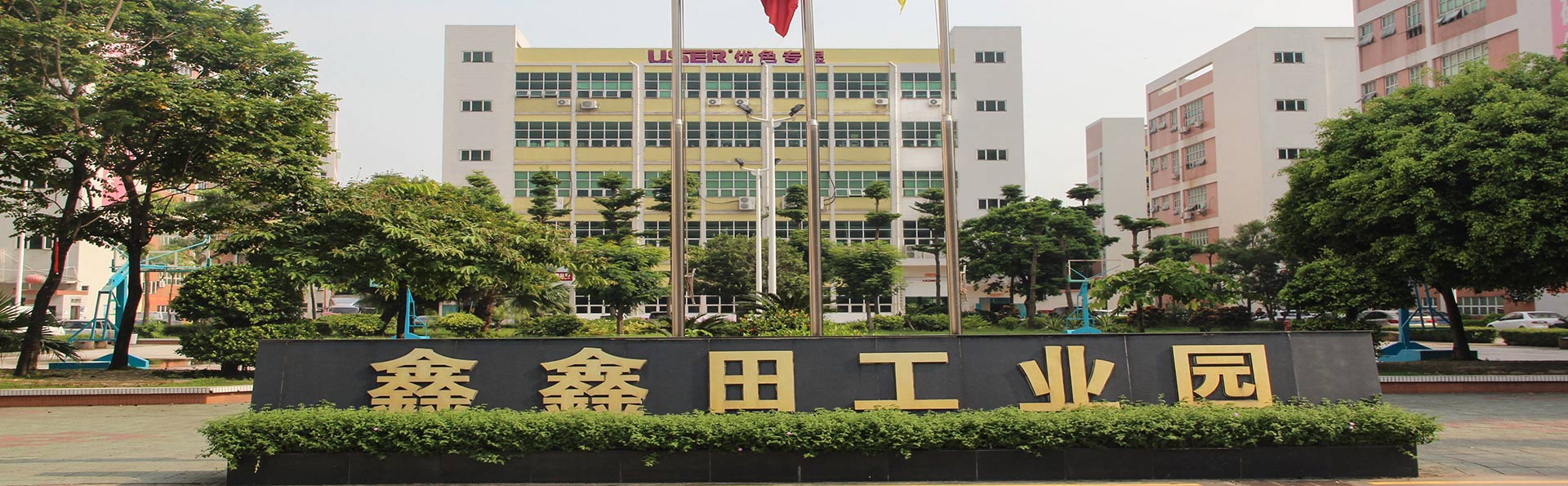
USER LED backs its products with strong manufacturing and certification credentials. The company operates over 10,000 m² of factory space in Shenzhen with SMT, module assembly, sheet metal processing, and full aging test lines, supporting large‑scale OEM and ODM cooperation. Certifications including ISO9001, CE, FCC, RoHS, UL, and national CCC provide assurance for international projects, while the “BE GREEN WITH USER SCREENS” philosophy highlights energy‑efficient design and long‑term reliability.
Real Building Facade Projects from USER LED
USER LED has deployed transparent LED displays on various building façades worldwide, demonstrating the technology’s versatility. Projects include a transparent screen installation at a university in Hong Kong, where a P2.84–5.6 display of around 2 × 3 m acts as a media window while maintaining the campus building’s architectural style. Similar solutions in UK shopping malls and Canadian retail environments show how glass façades can become digital banners without sacrificing store visibility.
In the automotive and high‑end retail sectors, USER LED transparent displays are widely used in car retail stores and glass‑front boutiques. These installations apply transparent cabinets or crystal film onto full‑height glass, allowing cars, products, and interior décor to remain visible behind animated campaigns. The lightweight structure, high transparency, and energy‑saving performance help these stores maintain a premium environment while adding dynamic digital promotions.
From these cases, building owners and integrators can draw several lessons. Early integration between façade design and LED system design leads to cleaner installations and better cable routing. Choosing the correct pixel pitch for real viewing distances, and planning content style to align with transparency and brightness, ensures that the media façade attracts attention without overwhelming tenants or neighbors.
How to Choose a Reliable Transparent LED Supplier
Selecting the right partner for a building transparent LED display means evaluating more than just the price per square meter. A strong supplier should have proven R&D capability, automated production lines, rigorous quality management, and relevant certifications. Checking references for similar façade projects, including long‑term performance and maintenance records, helps confirm whether the supplier can handle complex building integrations.
When comparing quotes, spec sheets should be examined carefully: pixel pitch, brightness, transparency, refresh rate, IP rating, structural design, and control system brand all influence performance and total cost of ownership. Energy‑saving technologies such as common‑cathode designs or high‑efficiency power supplies can significantly reduce operating expenses, especially for large façades running many hours per day.
Many global brands and integrators choose USER LED as an OEM/ODM partner because of its broad product portfolio, stable supply, and engineering support. The company’s catalog spans indoor fine‑pitch, outdoor common‑cathode energy‑saving displays, flexible modules, transparent screens, crystal film, and holographic solutions, allowing it to tailor solutions for different building types and budgets. With exports to over 80 countries and a track record of landmark installations, USER LED provides both standardized products and custom project design for building media façades.
Conclusion and Next Steps
Before investing in a building transparent LED display, stakeholders should run through a simple checklist: confirm viewing distances and pixel pitch, required brightness and transparency, structural feasibility of the glass façade, and long‑term content and maintenance plans. Coordinating early between architects, façade engineers, and LED suppliers helps deliver a safe, visually striking, and energy‑efficient media façade that enhances both brand value and building aesthetics.
To explore specific solutions, request engineering advice, or obtain a tailored quotation for your own building transparent LED display, you can contact USER LED through the official website’s product pages and project consultation channels at https://www.userledscreen.com/.