
Introduction
In today’s fast-paced digital landscape, traditional static advertising is becoming increasingly obsolete. Businesses worldwide are transitioning to more dynamic, engaging, and cost-effective solutions—and LED poster walls are leading this revolution. Whether you’re a retail store owner, event manager, or business strategist, understanding LED poster wall technology is essential for staying competitive in the modern marketplace.
LED poster walls represent a transformative shift in how brands communicate with their audiences. Unlike conventional paper posters that require frequent replacement and offer limited visibility, LED poster walls deliver vivid, real-time content that captures attention and drives measurable business results. This comprehensive guide explores everything you need to know about LED poster walls—from how they work to their applications, benefits, maintenance requirements, and return on investment.
What Is an LED Poster Wall?
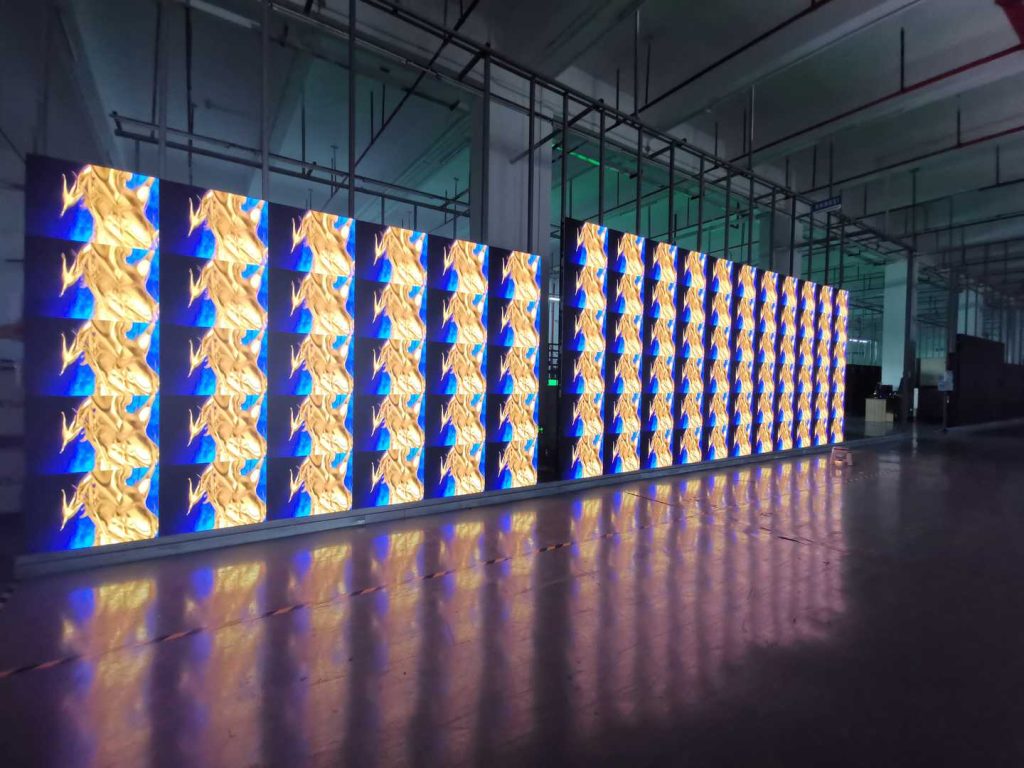
An LED poster wall is a digital display screen that uses light-emitting diodes (LEDs) to present images, videos, and text-based content. These electronic displays are composed of thousands of tiny LEDs grouped into pixels, each containing red, green, and blue sub-pixels that combine to produce a full spectrum of colors. The modular design allows multiple units to be seamlessly integrated to create larger displays or custom configurations tailored to specific business needs.
Unlike LCD or plasma screens, LED poster walls are designed for high-brightness applications, making them ideal for both indoor and outdoor environments. They function as standalone advertising tools or can be networked with other displays to create comprehensive digital signage systems. The technology combines commercial-grade durability with user-friendly interfaces, enabling businesses of all sizes to manage and update content without technical expertise.
Key Technical Specifications
LED poster walls operate on specific technical parameters that determine their performance and suitability for different applications:
Display Technology:
LED poster walls use semiconductor technology where individual light-emitting diodes produce light directly. This direct-emission approach differs fundamentally from LCD displays, which rely on backlighting. Each pixel consists of miniature LEDs that emit light independently, providing superior brightness control and contrast ratios.
Pixel Pitch and Resolution:
Pixel pitch—the distance between individual pixel centers—ranges from P1.25 mm to P4 mm, depending on the model. Smaller pixel pitches (P1.25–P2 mm) deliver higher resolution suitable for close-viewing applications, while larger pitches (P2.5–P4 mm) work well for viewing distances exceeding several meters. Standard indoor LED poster walls often feature 640×1920 mm dimensions, though customizable sizes accommodate diverse installation requirements.
Brightness and Visibility:
LED poster walls typically achieve brightness levels between 500 and 5,000 nits (lumens per square meter). This exceptional brightness ensures visibility in high-ambient-light conditions—including direct sunlight—making them superior to LCD posters, which rarely exceed 700 nits. This brightness differential is critical for outdoor installations and brightly lit retail environments.
Color Reproduction and Contrast:
Most LED poster walls offer contrast ratios between 1,000:1 and 8,000:1, delivering rich, vibrant colors with minimal color banding or distortion. Full-color LED displays produce 16 million colors, ensuring accurate brand color representation and cinematic visual quality.
Refresh Rate:
LED poster walls operate at refresh rates between 1,920 Hz and 3,840 Hz, eliminating flicker and providing smooth video playback. This high refresh rate is particularly important for video content, sports broadcasts, and dynamic advertising that demands visual clarity.
How LED Poster Walls Work
Understanding the operational mechanics of LED poster walls provides insight into why they outperform traditional advertising mediums.
Power Supply and Energy Distribution
LED poster walls are powered by sophisticated power supply units (PSUs) that convert standard AC electrical input (100–240V) into regulated DC voltage necessary for LED operation. These PSUs distribute power evenly across the display to ensure consistent brightness and color across all pixels. Modern systems feature thermal management capabilities that prevent overheating during extended operation—a critical consideration for displays running 12-16 hours daily.
Content Management and Display Control
LED poster walls operate through integrated control systems featuring Android-based software platforms. Users can upload content via USB drives, mobile applications, or cloud-connected networks. The built-in content management system (CMS) allows for scheduling, real-time updates, and remote monitoring. This plug-and-play functionality eliminates the need for complex programming or specialized IT support.
Content Playback Methods:
- Locally stored content: Pre-loaded videos and images stored on the display’s internal memory
- Streaming content: Real-time video feeds from external sources via HDMI or network connections
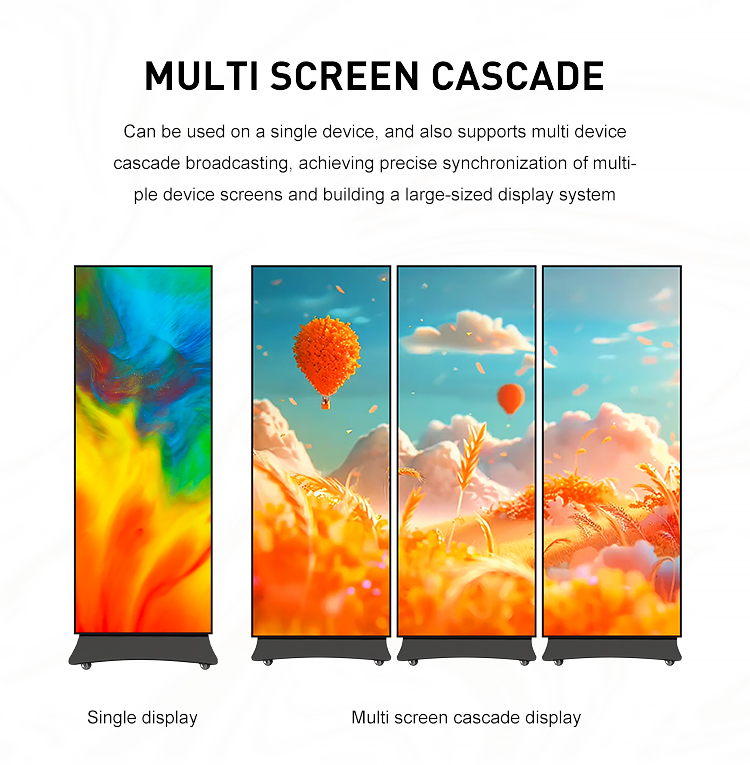
- Synchronous playback: Multiple displays operating in perfect sync for large-scale installations
- Asynchronous playback: Individual displays operating independently with different content
Pixel Composition and Color Generation
Each pixel in an LED poster wall contains three sub-pixels: red, green, and blue (RGB). By varying the brightness intensity of each sub-pixel independently, the system generates any color in the visible spectrum. This RGB color mixing allows for accurate product photography, brand color matching, and dynamic color animations that enhance visual engagement.
Types of LED Poster Walls
LED poster walls are available in multiple configurations, each designed for specific applications and environments.
Indoor LED Poster Walls
Standard Indoor Posters are engineered for climate-controlled retail, hospitality, and corporate environments. These models feature:
- Pixel pitches between P2 and P4 mm
- Brightness between 500–1,200 nits
- Operating temperatures from 0°C to +50°C
- IP30 rating (basic internal dust protection)
- Dimensions typically 640×1920 mm or customizable sizes
Standard indoor posters excel in retail storefronts, shopping malls, corporate lobbies, and hospitality venues where controlled lighting conditions exist.
High-Resolution Indoor Posters target applications requiring detailed imagery and text:
- Fine pixel pitches (P1.25–P2 mm)
- Brightness between 600–1,000 nits
- Enhanced color depth for photography and detailed graphics
- Ideal for jewelry stores, art galleries, exhibition spaces
- Support for Full HD and 4K content
Outdoor LED Poster Walls
Outdoor/Weather-Resistant Models are engineered to withstand environmental stressors:
- High brightness (3,000–5,000 nits) for sunlight visibility
- IP65 or IP67 rating (complete dust and water protection)
- Reinforced aluminum frames for structural integrity
- Operating temperature ranges: -20°C to +60°C
- Enhanced thermal management for heat dissipation
Outdoor LED poster walls are deployed at billboards, transit hubs, sports venues, and public information displays.
Specialized Configurations
Tri-Fold/Multi-Panel Designs: Feature hinged sections enabling single-person setup and portability. Ideal for trade shows, events, and temporary installations.
Battery-Powered Posters: Feature integrated rechargeable batteries supporting 8–10 hours of continuous operation. Perfect for mobile marketing and event activations without access to electrical infrastructure.
Interactive Touch-Enabled Posters: Incorporate capacitive or infrared touch overlays allowing customer interaction, product exploration, and data collection. Commonly deployed in retail, wayfinding applications, and hospitality settings.
Double-Sided Display Posters: Feature LED arrays on both front and rear surfaces, enabling 360-degree visibility in multi-directional foot traffic areas—ideal for mall corridors, bus stations, and airport terminals.
Applications and Use Cases
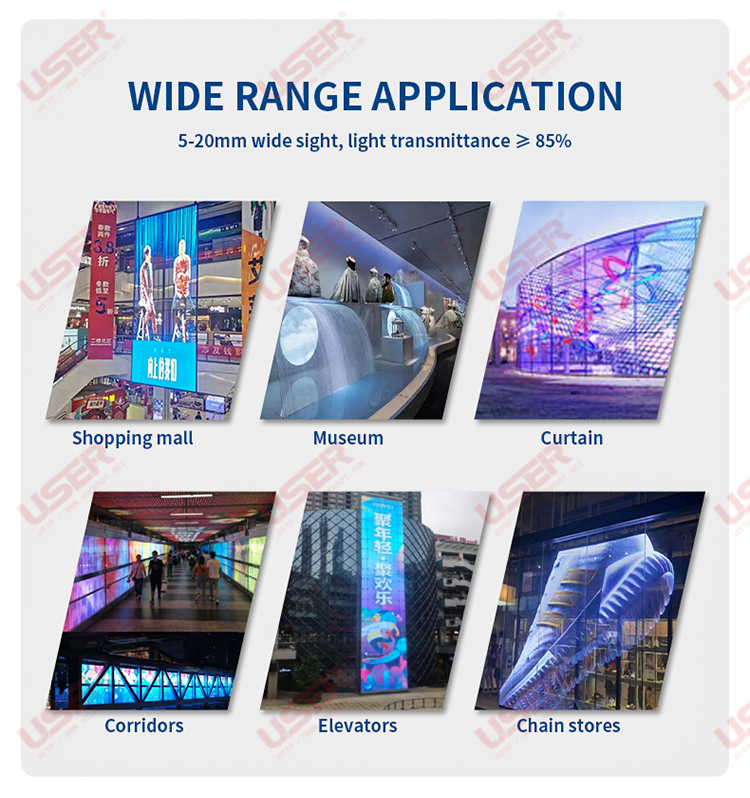
LED poster walls have revolutionized advertising and information display across diverse industries and settings.
Retail and E-Commerce
Retail environments represent the primary use case for LED poster walls. Dynamic product displays at point-of-sale (POS) locations showcase high-margin items, limited-time offers, and bundle recommendations. Interactive displays enable customers to browse product details, compare specifications, and access pricing information—directly influencing purchase decisions. Studies indicate that dynamic digital signage increases sales conversion rates by up to 30%, with dynamic displays boosting brand awareness by as much as 48%.
Practical retail applications include:
- Storefront window displays featuring new collections and seasonal campaigns
- In-store displays highlighting promotional items and flash sales
- Interactive product information displays enabling customer engagement
- Digital menu boards in food service establishments
- Fashion and apparel brand showcases with lifestyle imagery
Hospitality and Entertainment
Hotels, restaurants, bars, and entertainment venues leverage LED poster walls to enhance customer experience while generating operational value. Dynamic displays communicate real-time information (weather, events, promotions), creating immersive brand environments that extend customer dwell time and increase spending.
Transportation and Public Information
Airport terminals, train stations, and bus stations utilize LED poster walls for real-time scheduling updates, wayfinding information, and passenger communication. The high brightness ensures visibility in naturally lit environments while the durability withstands constant operational demands.
Corporate and Educational Institutions
Office lobbies, educational facilities, and conference centers employ LED poster walls for internal communication, event promotion, and brand reinforcement. The ability to update content instantly enables rapid communication of important announcements without printing delays.
Events and Experiential Marketing
LED poster walls power product launches, concerts, conferences, and promotional events. Their portability, ease of setup, and visual impact create memorable brand experiences that drive social media engagement and word-of-mouth marketing.
Financial Benefits and Return on Investment
The financial case for LED poster walls extends far beyond visual appeal. Comprehensive cost-benefit analysis reveals substantial economic advantages over traditional advertising mediums.
Cost Comparison: LED vs. Traditional Advertising
Traditional Paper Posters:
- Design and layout: $100–$500 per design
- Printing costs: $2–$10 per unit (for thousands of units)
- Distribution and installation labor: $500–$2,000
- Replacement frequency: Monthly to quarterly
- Annual operating cost: $5,000–$15,000+
LED Poster Walls:
- Initial hardware investment: $1,000–$5,000 per unit
- Content updates: Essentially free (digital uploads)
- Installation labor: $500–$1,500 (one-time)
- Maintenance: Minimal (occasional cleaning and software updates)
- Annual operating cost: $500–$1,500 (including power consumption)
Over a three-year period, LED poster walls typically generate cumulative savings of 40–60% compared to traditional print advertising, even accounting for the higher upfront capital expenditure.
Revenue Generation Potential
LED poster walls generate revenue through multiple channels:
Direct Sales Acceleration:
Dynamic content communicating product benefits, pricing, and promotions drives immediate purchase decisions. Retail environments report 20–30% increases in transaction volume following LED poster installation, with particularly strong performance during promotional periods.
Advertising Space Monetization:
Establishments with high foot traffic can monetize display space by selling advertising time to local businesses, complementary brands, or national advertisers. A premium billboard location in a shopping mall can generate $1,000–$5,000+ monthly in advertising revenue.
Customer Data Collection:
Interactive LED displays equipped with analytics collect valuable customer engagement data—dwell time, interaction frequency, content preferences. This data enables precision marketing and content optimization, improving future campaign effectiveness.
Brand Value Enhancement
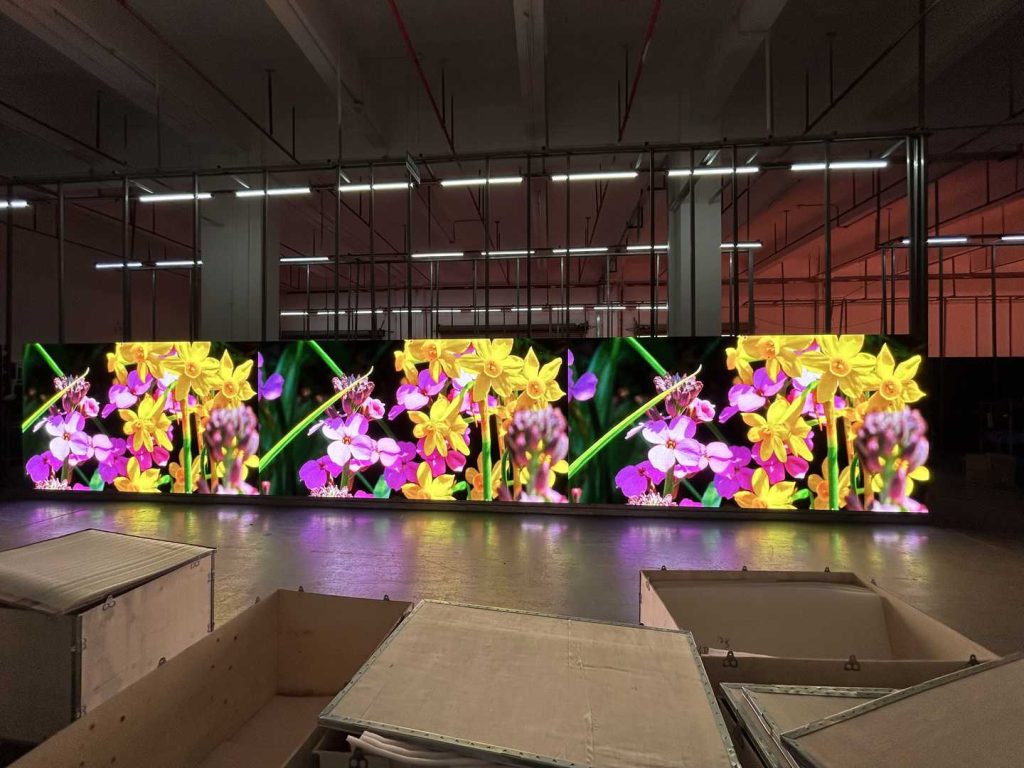
Studies demonstrate that dynamic digital signage increases brand awareness by 48% and enhances brand perception as consumers recognize companies making technology investments. This modern, forward-thinking brand positioning translates to customer loyalty and premium pricing power. Research indicates that 57% of consumers spend more on brands they perceive as loyal relationships.
Energy Efficiency and Environmental Benefits
LED poster wall technology represents a sustainable alternative to traditional advertising, delivering substantial environmental and economic benefits.
Power Consumption Advantages
LED poster walls consume approximately 1/10th the power of equivalent LCD poster systems—translating to energy consumption as low as 50–100 watts for standard displays. This efficiency derives from LEDs’ direct light emission approach, eliminating the power-intensive backlighting requirements of LCD technology.
According to the U.S. Department of Energy, LED displays consume up to 75% less energy than traditional display technologies. For a display operating 16 hours daily, this translates to annual energy savings of $1,000–$3,000 depending on local electricity rates.
Carbon Footprint Reduction
The energy efficiency of LED technology directly reduces greenhouse gas emissions. A typical 1–2 square meter retail display operating 5,000 hours annually generates 2–3 metric tons fewer CO2 emissions compared to traditional paper poster advertising supply chains (including paper production, transportation, and printing).
Waste Reduction
LED poster walls eliminate recurring paper waste inherent in traditional print advertising. A business updating advertisements quarterly generates 200–500 pounds of paper waste annually. LED poster walls reduce this to zero, making them significantly more environmentally responsible.
Additionally, LED technology’s 100,000+ hour lifespan (approximately 10–15 years of typical use) means fewer equipment replacements and reduced electronic waste compared to shorter-lived alternatives.
Renewable Energy Compatibility
Many facilities now power LED poster walls using renewable energy sources (solar panels, wind generation). The lower power requirements of LED displays make them increasingly viable for solar-powered applications, enabling completely carbon-neutral advertising solutions.
Installation and Setup
LED poster wall installation requires careful planning, though the process remains substantially simpler than traditional video wall deployments.
Pre-Installation Planning
Site Assessment:
- Evaluate wall structure and load capacity (LED poster walls weigh 30–80 pounds per square meter)
- Assess electrical infrastructure and available power capacity
- Analyze viewing angles, distances, and optimal placement height
- Consider environmental factors (temperature, humidity, direct sunlight exposure)
- Plan maintenance accessibility for front and rear access
Viewing Distance Calculation:
LED poster walls require specific viewing distances relative to pixel pitch. The optimal viewing distance in meters equals pixel pitch in millimeters multiplied by 1,000. For example, a P3 display performs optimally at viewing distances exceeding 3 meters. This relationship determines whether fine-pitch displays (for close viewing) or standard-pitch displays (for distance viewing) suit your application.
Installation Process
Mounting and Structural Installation:
- Install brackets, supports, or pedestals according to manufacturer specifications
- Ensure structural stability and vibration isolation
- Level and align display to ensure proper geometry
Electrical Connection:
- Connect power supply following local electrical codes
- Install surge protection and UPS systems for critical applications
- Verify proper grounding to prevent electrical hazards
Network and Control Setup:
- Configure network connectivity (WiFi, Ethernet, or 4G)
- Install control software and content management systems
- Calibrate display settings (brightness, contrast, color balance)
- Perform comprehensive testing before deployment
Content Implementation:
- Upload initial content to the display system
- Configure content scheduling and playback settings
- Test all playback features and contingency scenarios
Professional installation typically requires 4–8 hours for standard configurations, with minimal disruption to business operations.
Maintenance and Longevity
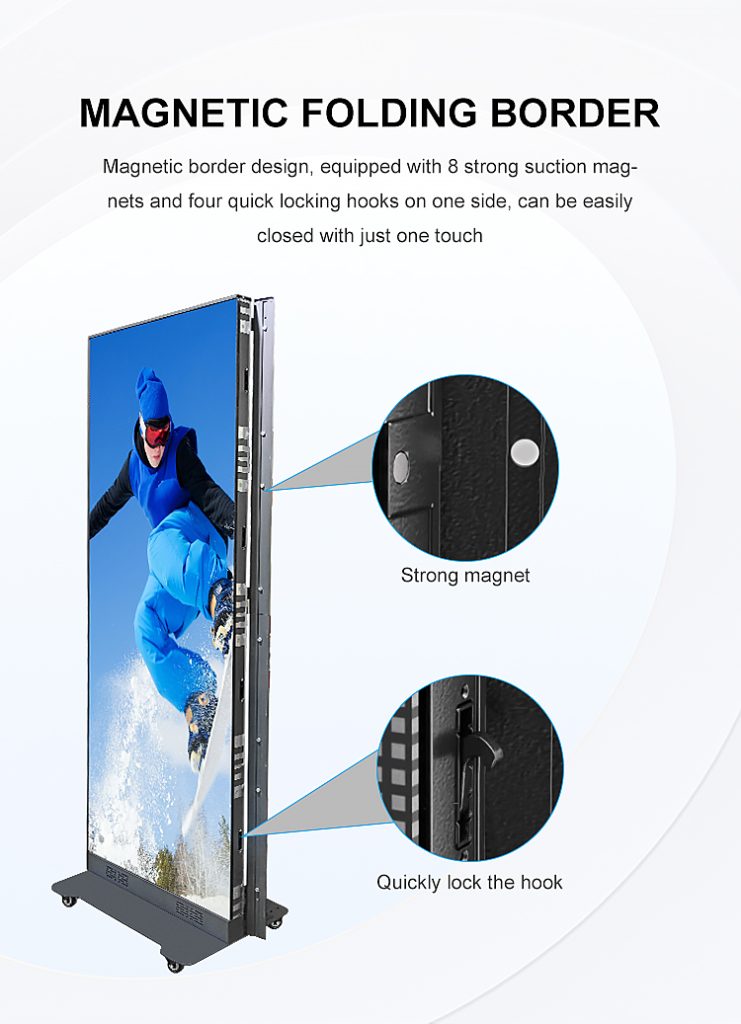
LED poster walls require minimal maintenance compared to traditional displays, yet systematic care ensures optimal performance and maximum lifespan.
Regular Maintenance Schedule
Weekly Tasks:
- Visual inspection for obvious defects or visible damage
- Verification of display brightness and color consistency
Monthly Tasks:
- Gentle cleaning of display surface using soft, lint-free microfiber cloths
- Verification of all electrical connections and cable integrity
- Software and firmware updates
Quarterly Tasks:
- Comprehensive cleaning of display and frame structure
- Thermal system inspection ensuring proper cooling performance
- Power supply unit inspection for dust accumulation
- Cable and connector verification
Annual Tasks:
- Professional calibration and color verification
- Preventative replacement of wear components
- Thermal imaging inspection to identify developing issues
- Comprehensive system diagnostics
Front and Rear Maintenance Procedures
Front Maintenance (space-limited applications):
- Power down and disconnect the display
- Use suction cup tools to gently remove front LED modules
- Inspect for damage, wear, or pixel failures
- Clean modules with soft, dry cloths
- Reinstall modules and test display functionality
Rear Maintenance (accessible installations):
- Power down and disconnect the display
- Remove rear access panels or covers
- Inspect power supply, cables, and receiver cards
- Clean power supply components with compressed air
- Verify secure connections and address any failures
- Reassemble and test functionality
Component Lifespan and Replacement
- LED modules: 100,000–200,000 hours (8–15 years typical use)
- Power supply units: 5–10 years
- Control circuits and receivers: 10–15 years
- Structural components: 15+ years
Most failures occur in power supplies or control electronics rather than LED modules themselves. Modular design enables targeted replacement of failed components without display replacement.
Content Management and Strategy
Maximizing LED poster wall ROI requires strategic content planning and continuous optimization.
Content Best Practices
Attention-Capturing Hierarchy:
Research indicates that consumers engage with content for 1–3 seconds during passive viewing. Effective content emphasizes a single key message using:
- High-contrast colors drawing eye attention
- Bold typography for essential information
- Strategic placement of products in visual center
- Animated elements drawing motion-detection eye responses
Content Refresh Frequency:
Regular content updates (3–7 day refresh cycles) prevent viewer habituation while maintaining novelty and engagement. Excessive frequency (daily changes) can diminish memorability, while infrequent updates (monthly) reduce engagement.
Data-Driven Personalization:
Modern LED poster walls integrate backend data systems enabling dynamic content based on:
- Time of day (breakfast promotions in morning, dinner offers in evening)
- Day of week (weekend specials, weekday discounts)
- Holiday calendars (seasonal promotions, gift guides)
- Customer traffic patterns
- Real-time inventory levels
Analytics and Performance Measurement
Advanced LED poster systems collect data on:
- Dwell time: Duration customers spend viewing content
- Interaction frequency: Engagement with interactive elements
- Peak engagement periods: Times generating maximum attention
- Content performance: Comparative engagement metrics across different messaging
This data enables continuous A/B testing and content optimization, improving future campaign effectiveness and measurable ROI.
Selecting the Right LED Poster Wall
Choosing appropriate LED poster wall technology requires evaluating multiple parameters aligned with specific business requirements.
Pixel Pitch Selection
For retail applications with viewing distances of 1–3 meters, pixel pitches between P1.5–P2.5 mm deliver optimal image quality and text legibility. For displays viewed from distances exceeding 3 meters, P3–P4 mm pitches provide excellent value without visible pixelation.
Brightness Requirements
Indoor retail applications typically require 500–1,200 nit displays. Brightly lit environments (shopping malls, supermarkets) benefit from 1,000+ nit displays ensuring visibility under fluorescent and natural lighting. Outdoor displays require 3,000–5,000 nit brightness for daytime visibility, with dynamic brightness adjustment for evening operation.
Size and Installation Considerations
Standard indoor display dimensions (640×1920 mm, 750×2000 mm) fit common wall spaces and budgets. Larger installations can splice multiple units together. Evaluate mounting options—vertical bracket mounting, pedestal stands with caster wheels for mobility, or suspended installations—based on space constraints and application requirements.
Budget Optimization
Entry-level LED poster walls capable of excellent visual impact start at $1,000–$2,500. Mid-range models offering higher resolution and enhanced features range from $2,500–$5,000. Premium installations with interactive features, outdoor ratings, or custom sizing exceed $5,000. Consider total cost of ownership (power consumption, maintenance, content creation) rather than acquisition price alone.
Comparison: LED Poster Walls vs. Traditional Alternatives
LED vs. LCD Poster Displays
While LCD posters offer lower acquisition costs ($300–$2,000), LED poster walls provide:
- 10x brightness advantage: 500–5,000 nits vs. 300–700 nits
- Superior outdoor performance: Visible in direct sunlight vs. faded visibility
- Lower power consumption: P1 vs. 1:10 ratio consuming 75% less energy
- Extended lifespan: 100,000+ hours vs. 30,000–50,000 hours
- Customizable shapes and sizes: Modular design vs. fixed dimensions
- Lower operational costs: Digital updates vs. physical reprinting
LED vs. Traditional Print Advertising
LED poster walls overcome inherent limitations of paper posters:
- Dynamic content: Videos and animations vs. static imagery
- Instant updates: Real-time changes vs. weeks of reprinting and distribution
- Environmental responsibility: Zero waste vs. monthly paper disposal
- Measurable engagement: Analytics data vs. estimates and assumptions
- Cost efficiency: 60% savings over 3 years vs. recurring printing expenses
- Brand perception: Modern technology association vs. dated advertising approach
Addressing Common Concerns
Heat and Temperature Management
LED poster walls generate manageable heat compared to traditional lighting. Modern systems include thermal management features:
- Ventilation slots ensuring adequate airflow
- Temperature sensors triggering automatic brightness reduction if overheating occurs
- Operating temperature ranges accommodating standard business environments (-20°C to +60°C)
Proper installation with adequate surrounding airspace prevents overheating issues.
Light Output and Eye Safety
LED poster walls meet international safety standards (CE, FCC, RoHS certifications) with no harmful UV emissions or excessive blue light. The distributed light emission across thousands of pixels eliminates the eye-strain associated with concentrated light sources. Nevertheless, direct viewing should still avoid unnecessary prolonged staring at any bright display.
Maintenance Complexity
While LED poster walls require periodic maintenance, the process remains straightforward for non-technical staff. Routine cleaning involves soft cloths and gentle pressure. More complex repairs (module replacement, power supply service) may require professional technician support, though the modular design enables simple component swaps rather than complete replacements.
Weather Resistance (Outdoor Models)
Outdoor-rated LED poster walls featuring IP65 or IP67 protection withstand rain, dust, and temperature fluctuations. Reinforced aluminum construction and sealed cable connections prevent water ingress and corrosion. Annual preventative maintenance ensures optimal weather resistance.
Future Trends in LED Poster Wall Technology
The LED display industry continues advancing with innovations enhancing functionality, sustainability, and user experience:
Transparent LED Displays: Emerging transparent LED technology allows content display while maintaining background visibility—ideal for window displays and architectural integration.
Interactive and Gesture Recognition: Advanced sensors enable gesture-based controls, allowing customers to navigate content through hand movements without physical contact.
Augmented Reality Integration: AR capabilities overlay digital content onto real-world environments, creating immersive marketing experiences.
Artificial Intelligence and Predictive Content: AI algorithms analyze traffic patterns and customer behaviors, automatically adjusting content for maximum engagement.
Flexible and Curved Displays: Development of flexible LED arrays enables curved installations, expanding architectural possibilities.
Power-Over-Ethernet (PoE): Emerging standards simplify installation by combining power and data through single network cables.
Conclusion
LED poster walls represent the modern standard in advertising and information display, delivering superior visual impact, operational efficiency, and financial performance compared to traditional alternatives. Their combination of high brightness, modular design, ease of content management, and environmental responsibility makes them the logical choice for businesses prioritizing customer engagement and operational excellence.
Whether you operate a retail storefront requiring dynamic product displays, manage a hospitality venue seeking enhanced customer experience, or oversee public spaces demanding reliable information distribution, LED poster walls deliver measurable business value while reducing environmental impact.
The transition from static paper posters to dynamic LED displays is no longer a luxury choice—it’s a competitive necessity. As customer expectations for engaging, modern communication continue rising, LED poster walls enable businesses to meet these expectations while optimizing marketing budgets and improving bottom-line performance.
For organizations ready to transform their visual communication strategy, LED poster walls offer an investment in business growth, customer satisfaction, and sustainable operations. For more information about choosing the right LED poster wall solution for your specific needs, visit https://www.userledscreen.com/ to explore comprehensive product offerings and professional guidance from industry experts.