
The Events Poster LED Display is transforming the landscape of modern visual communication. As trade shows, conferences, and retail environments become increasingly competitive, the static roll-up banner is being rapidly replaced by dynamic, high-definition digital solutions. This comprehensive guide explores the technology, benefits, and applications of LED poster displays, providing a roadmap for businesses looking to elevate their event presence.
In the high-stakes world of event marketing, capturing attention is the currency of success. Whether it is a bustling trade show floor in Las Vegas, a high-end retail pop-up in Paris, or a corporate conference in Shenzhen, the challenge remains the same: how do you stop a passerby in their tracks? Enter the Events Poster LED Display—a standalone, portable, and high-definition digital screen that has revolutionized how brands communicate.
Unlike traditional printed signage that fades into the background, an LED poster display demands attention with vibrant brightness, motion graphics, and the ability to change messaging instantly. For event organizers and exhibitors, this technology offers not just a display, but a versatile digital canvas that adapts to every need.
What is an Events Poster LED Display?
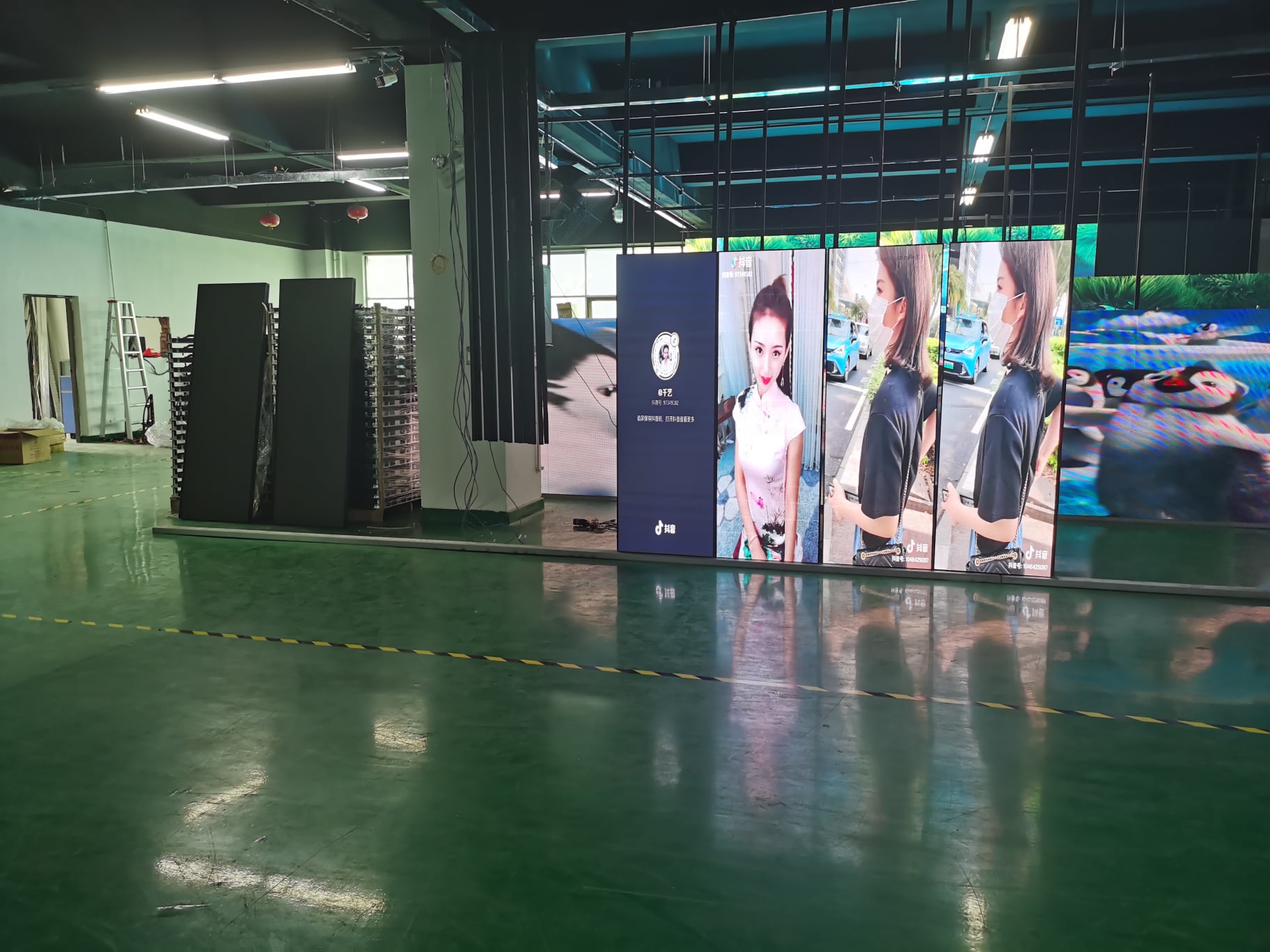
An Events Poster LED Display, often referred to as a “digital kiosk,” “LED totem,” or “smart poster,” is a self-contained LED screen designed for portability and high-impact visuals. Typically measuring around 640mm x 1920mm (approximately 2ft x 6.5ft), these units are engineered to replace the ubiquity of traditional “roll-up” banners.
Built with advanced SMD (Surface Mounted Device) or GOB (Glue on Board) technology, these displays offer a seamless viewing experience without the bezels found in LCD video walls. They are designed for “Plug and Play” functionality, meaning they require minimal technical expertise to set up—often taking less than five minutes from unboxing to displaying content.
Key Characteristics:
- Portability: Equipped with ultra-slim frames and often featuring wheels or lightweight aluminum bodies (approx. 35-45kg), making them easy to move between event locations.
- High Resolution: Utilizing fine pixel pitches (typically P1.86, P2, P2.5), they deliver crisp images viewable from as close as 2 meters.
- High Brightness: With brightness levels ranging from 800 to 1200 nits for indoor models (and up to 5000+ nits for outdoor versions), they remain visible even under strong exhibition lighting where LCD screens might suffer from glare.
LED Poster Displays vs. Traditional Roll-Up Banners
The transition from print to digital is driven by ROI and engagement. While a printed banner costs less upfront, its value diminishes the moment the event ends or the messaging changes.
| Feature | Traditional Roll-Up Banner | Events Poster LED Display |
| Content | Static, single message | Dynamic video, scrolling text, multiple slides |
| Updates | Requires re-printing (days/weeks) | Instant updates via App/Cloud (seconds) |
| Visibility | Low (relies on ambient light) | High (self-emitting, 800+ nits brightness) |
| Engagement | Passive | Active (can support interaction/motion) |
| Lifespan | Single-use or limited durability | 100,000+ hours (approx. 11 years) |
| Multi-screen | Impossible to synchronize | Can cascade multiple units for a giant screen |
Eco-Friendly Impact:In line with the philosophy of “Be Green With USER Screens,” digital posters significantly reduce paper waste and the carbon footprint associated with shipping printed materials for every single campaign. A single LED poster can serve hundreds of events over its decade-long lifespan.
Top Applications for Event LED Posters
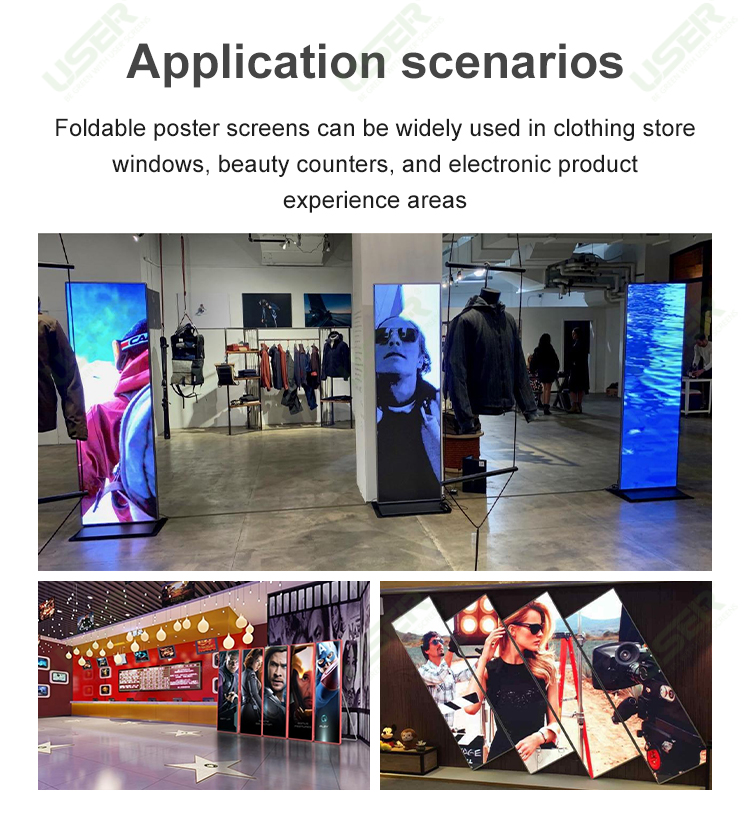
The versatility of the LED poster makes it suitable for a wide array of event scenarios.
Trade Shows and Exhibitions
This is the “killer app” for LED posters. An exhibitor can place a P1.86 poster at the edge of their booth to play a loop of product demos, client testimonials, and “Show Special” offers. The motion attracts attendees from down the aisle, increasing booth traffic.
- Tip: Use the “Daisy-Chain” feature to link 3-6 posters together. This creates a massive, seamless 16:9 video wall for your main presentation, which can then be separated into individual screens for different product zones later.
Retail and Pop-Up Stores
For product launches or seasonal sales, LED posters serve as high-end digital mannequins. A clothing brand can display a model walking the runway in the exact outfit hanging on the rack next to the screen.
- Creative Use: Place the poster in a window display. High-brightness models ensure the content is visible to street traffic even during the day.
Conferences and Hotels
Events poster LED displays are perfect for wayfinding and schedules. Instead of printing static agenda boards that become inaccurate if a speaker cancels, organizers can update room assignments and session times in real-time.
- Scenario: A hotel lobby uses a poster to welcome a wedding party in the morning and switches the content to a corporate conference branding in the afternoon.
Weddings and Private Events
Event planners are increasingly renting LED posters to display high-resolution photo montages of the couple, seating charts, or live social media feeds using a specific hashtag. The P2 or P2.5 pixel pitch ensures that photos look photorealistic and elegant.
Technical Deep Dive: What Specifications Matter?
When selecting an Events Poster LED Display, understanding the technical jargon is crucial to ensuring you get the right product for your venue.
Pixel Pitch (Resolution)
Pixel pitch refers to the distance between the center of two LED pixels, measured in millimeters.
- P1.86 / P1.9: The gold standard for high-end events. At this pitch, the image is crisp even when viewers are standing just 1.5 to 2 meters away. Ideal for displaying text and detailed product specs.
- P2.5: A cost-effective workhorse. perfect for retail and events where the viewer is 2-3 meters away. It balances cost with excellent video performance.
- P3 / P4: Generally reserved for outdoor posters or very large venues where viewers are far away.
Refresh Rate
For events that will be filmed or broadcast (like product launches or televised conferences), a high refresh rate is non-negotiable.
- 3840Hz: Premium LED posters, such as those from USER Special Display Technologies, operate at 3840Hz. This ensures that when attendees take photos or videos of the screen with their smartphones, there are no unsightly “scan lines” or flickering bars in the footage.
Cabinet Design and Durability
Event gear takes a beating. Look for posters with:
- Die-cast Aluminum: Provides a lightweight yet rigid structure that dissipates heat without noisy fans.
- Face Protection: GOB (Glue on Board) technology is a resin layer that protects the delicate LEDs from impact, moisture, and dust—essential for rental units that are constantly moved.
Control Methods
Flexibility in how you upload content is key for fast-paced events.
- Asynchronous (Offline): Upload content via USB or Wi-Fi App (like ViPlex or LEDArt). The poster stores the content and plays it on a loop. No PC needed.
- Synchronous (Live): Connect a laptop via HDMI. The poster acts like a giant second monitor. This is required for live PowerPoint presentations or Zoom feeds.
Creative Installation Modes
One of the biggest advantages of the Events Poster LED Display is its structural versatility. It isn’t just a floor-standing totem.
- Vertical Stand (Easle/Base): The standard mode. Features a slightly tilted bracket (often 5-10 degrees) or a straight base with wheels for stability and easy movement.
- Hanging/Suspended: Weighing only ~35kg, these screens can be suspended from truss systems at concert venues or exhibition halls to maximize visibility above the crowd.
- Wall Mounted: The slim profile allows them to be mounted flat against a wall, turning a pillar or hallway into a digital art gallery.
- Split/Cascading Mode: Through HDMI loop-out or software grouping, multiple posters can be arranged side-by-side to play one unified video. For example, 6 posters (each 640mm wide) can form a 3.8-meter wide video wall without the heavy construction costs of a traditional fixed rental screen.
How to Choose the Right Supplier: The USER Advantage
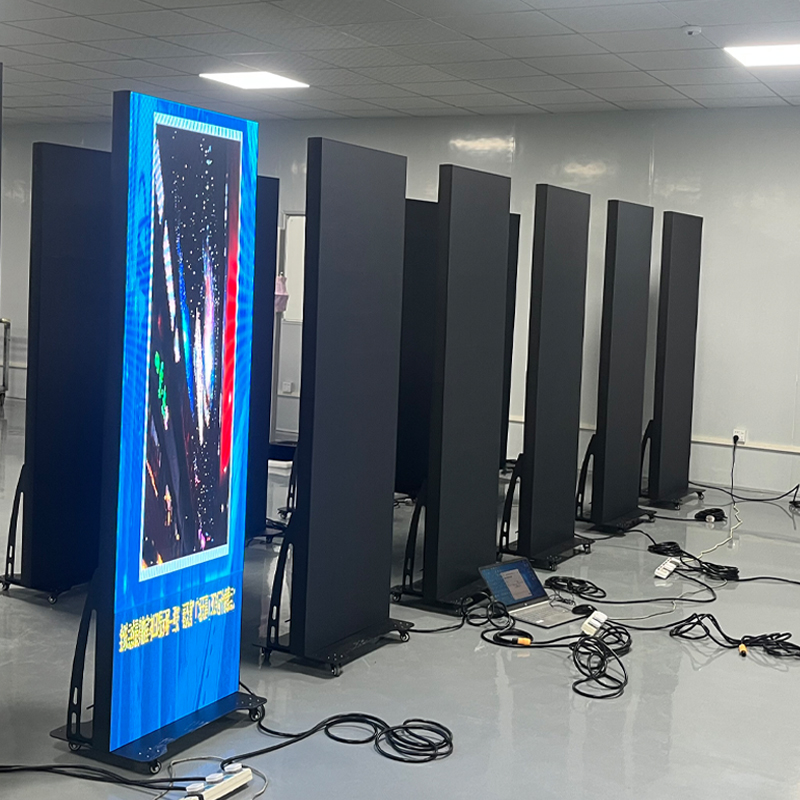
Selecting a manufacturer is as important as selecting the hardware. Shenzhen USER Special Display Technologies Co., Ltd. stands out as a premier partner for event professionals. Established in 2008, USER has over 15 years of experience in OEM/ODM manufacturing and exports to over 80 countries.
Why Professionals Choose USER LED Screens:
- Comprehensive Certification: Products are backed by ISO 9001, CE, FCC, RoHS, and UL certifications, ensuring safety and compliance for international venues.
- Customization: From custom bezel colors to integrate with brand identity, to specific pixel pitches like the ultra-fine P1.25 Foldable Poster, USER tailors solutions to specific project needs.
- Global Support: With a 24-hour technical consultation team and on-site installation guidance, event organizers have peace of mind that their visual tech will perform flawlessly.
For more information on their specific poster lineup, you can visit their official product pages at https://www.userledscreen.com/.
Future Trends in Event LED Displays
The technology behind event posters is evolving rapidly.
- Foldable Screens: New P1.25 models feature a 360-degree folding hinge, allowing the 2-meter tall screen to fold in half. This reduces shipping volume by 50%, saving massive amounts on logistics for touring acts.
- Interactive Sensors: Future posters will integrate capacitive touch or proximity sensors, allowing attendees to “swipe” through catalogs or trigger content just by walking near the screen.
- Transparent LED Posters: These units offer 60-70% transparency, allowing them to be placed in shop windows without blocking sunlight, blending digital signage with physical store aesthetics.
Conclusion
The Events Poster LED Display is more than just an upgrade from printed signage; it is a strategic asset for brand engagement. Its combination of portability, stunning visual quality, and dynamic content capabilities makes it an indispensable tool for modern event marketers. Whether you are looking to rent a few units for a weekend trade show or invest in a fleet for a retail chain, the ROI of capturing audience attention is undeniable.
By choosing high-quality, high-refresh-rate screens from trusted manufacturers like USER, you ensure that your brand’s message is seen in the best possible light—literally. As the event industry continues to embrace digital transformation, the LED poster stands tall as the beacon of future-ready advertising.
Frequently Asked Questions (FAQ)
- Can I connect multiple LED posters to make one large screen? Yes. This is called “cascading” or “splicing.” You can link multiple units via HDMI cables or configure them wirelessly through software to act as segments of a larger image. A common configuration is linking 6 units to create a standard 16:9 aspect ratio display.
- How do I upload content to the poster?
Most posters support multiple methods:
- Wi-Fi/App: Use a smartphone app to send videos/images directly to the poster’s internal storage.
- USB: Plug in a thumb drive for automatic playback.
- HDMI: Connect a laptop for direct mirroring (ideal for live presentations).
- Are these displays suitable for outdoor use? Standard models are Indoor (IP40 rated, ~1000 nits). However, there are specific Outdoor LED Poster models available that are IP65 water-resistant and feature high brightness (5000+ nits) to be visible in direct sunlight. Always check the IP rating before using outdoors.
- What is the power consumption of an LED poster? Modern LED posters are energy efficient. An average P2.5 poster consumes about 200W to 240W on average usage, making them safe to run on standard venue power outlets without needing specialized electrical rigging.