
Introduction
In today’s fast-paced commercial landscape, capturing consumer attention requires more than traditional static advertising. Commercial advertising poster LED displays have emerged as a game-changing solution for businesses seeking to maximize brand visibility and engagement. These dynamic visual communication tools combine cutting-edge LED technology with strategic advertising placement to deliver compelling messages that resonate with modern audiences.
The evolution of display advertising has shifted dramatically from printed posters to intelligent digital systems. A commercial advertising poster LED display represents the convergence of artistic design, technological innovation, and marketing strategy—delivering real-time content updates, higher engagement rates, and measurable return on investment for retail stores, shopping malls, corporate offices, and public spaces worldwide.
What Is a Commercial Advertising Poster LED Display?
A commercial advertising poster LED display is a digital visual platform that uses light-emitting diode (LED) technology to present advertising content in high-resolution, vibrant colors. Unlike conventional paper posters that remain static, LED poster displays offer dynamic content capabilities, allowing businesses to update their advertising messages instantly across multiple locations or display units.
These displays come in various form factors and sizes—from compact indoor units suitable for retail shelves to large-scale outdoor installations at shopping mall entrances. The fundamental principle remains consistent: using dense arrays of LED pixels to create seamless, high-brightness visuals that capture attention and communicate messages effectively.
Commercial advertising poster LED displays function through integrated systems combining several key components: the LED panel array, control systems, content management software, and power distribution infrastructure. Together, these elements create a cohesive advertising platform capable of displaying still images, video content, animations, and real-time information feeds.
Key Specifications and Technical Capabilities
When evaluating commercial advertising poster LED displays for your business, understanding technical specifications ensures optimal selection for your specific application.
Display Resolution and Pixel Pitch
The pixel pitch—measured in millimeters—determines image clarity and viewing distance. Typical commercial advertising LED posters range from P1.86 to P2.5 millimeter pixel pitches for indoor retail applications, delivering sharp images visible from 2-4 meters away. For larger indoor installations in shopping malls or corporate lobbies, pixel pitches of P2.5 to P3 are standard, providing excellent clarity while maintaining cost efficiency.
Indoor poster LED displays for retail environments typically feature module sizes of 320×160mm or 640×480mm configurations, with cabinet resolutions ranging from 256×192 pixels to 512×384 pixels. This architecture ensures crisp, vibrant displays suitable for product promotions, brand messaging, and dynamic content rotation.
Brightness and Viewing Angles
Commercial advertising poster displays designed for indoor retail environments deliver brightness levels of 600-800 candelas per square meter (cd/m²), sufficient to overcome ambient lighting while maintaining color accuracy. The optimal viewing angle spans 160 degrees both horizontally and vertically, ensuring visibility across wide retail spaces without image degradation.
Modern LED poster displays incorporate advanced brightness control systems, automatically adjusting output based on ambient light conditions. This adaptive technology reduces power consumption during low-light periods while maintaining visual impact during peak retail hours.
Refresh Rate and Color Accuracy
Professional commercial advertising LED posters operate at refresh rates of 3840Hz or higher, eliminating visible flicker and ensuring smooth video playback. This high refresh rate is critical for retail environments where customers spend extended periods viewing content.
Color gamut specification typically exceeds 16-bit grayscale levels, delivering over 65,000 color combinations with precise color temperature calibration around 6500K (daylight white). This technical specification ensures brand colors display accurately, maintaining visual consistency across multiple display units and geographic locations.
Applications in Retail and Commercial Spaces
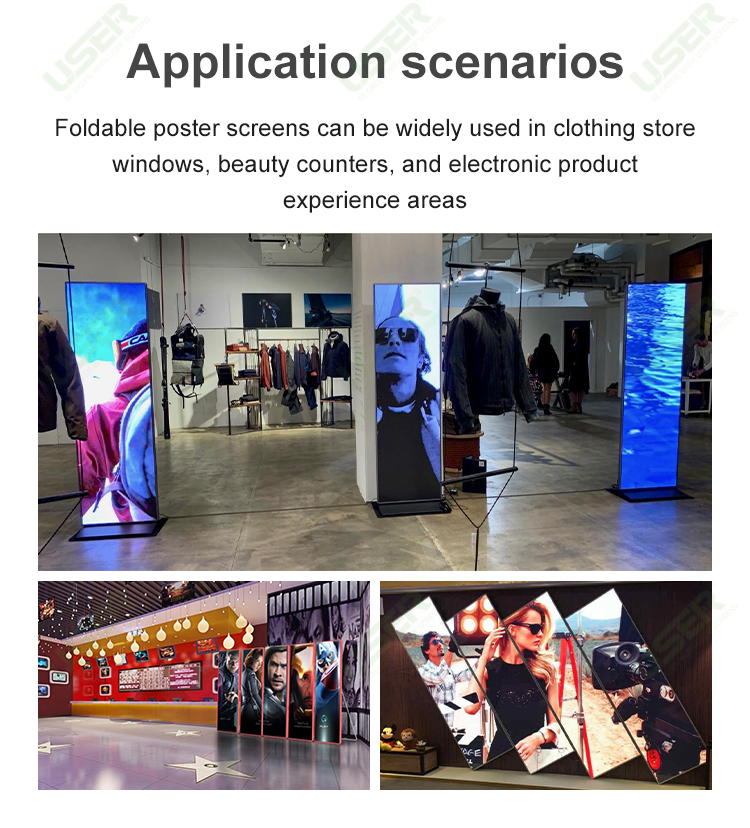
Commercial advertising poster LED displays have transformed how retailers communicate with customers across diverse environments.
Shopping Mall and Retail Store Integration
In shopping mall environments, LED poster displays positioned at main entrances and corridor intersections create high-impact brand presentations. Retailers utilize these displays to showcase seasonal promotions, product launches, and limited-time offers, leveraging the medium’s dynamic capabilities to drive foot traffic and conversion rates.
Department stores increasingly deploy LED poster systems at shelf heights, displaying complementary product information, price promotions, and lifestyle imagery. This shelf-level advertising proves particularly effective for impulse-purchase categories, as customers viewing products simultaneously encounter persuasive visual messaging.
Fashion retailers have adopted flexible LED poster technologies that conform to curved surfaces, creating immersive brand environments that photograph well for social media, generating organic marketing amplification.
Corporate and Hospitality Applications
Hotels, restaurants, and corporate offices utilize commercial LED poster displays for wayfinding, menu presentation, event promotion, and corporate messaging. High-end hospitality establishments favor high-resolution displays with superior color accuracy, ensuring that room service menus and promotional imagery reflect brand sophistication.
Conference rooms and corporate lobbies deploy LED poster systems for real-time meeting information, visitor directions, and corporate announcements. The capacity to update content remotely enables facility managers to coordinate messaging across multiple properties without physical intervention.
Transportation Hubs and Public Spaces
Airports, train stations, and transit centers leverage commercial advertising LED posters for flight information, destination promotions, and retailer advertising. The high-brightness outdoor variants withstand environmental exposure while delivering visibility in daylight conditions, a critical requirement for transportation-focused applications.
Content Management and Digital Integration
The true power of commercial advertising poster LED displays emerges through integrated content management systems that enable sophisticated, data-driven advertising strategies.
Cloud-Based Content Distribution
Leading LED poster solutions incorporate cloud-based content management platforms enabling network administrators to deploy advertising campaigns across distributed display networks simultaneously. Marketing teams upload content through intuitive web interfaces, schedule deployment by date and time, and monitor display status in real-time across global locations.
This centralized management approach eliminates the logistical complexity of traditional advertising, where printing, shipping, and manual installation consume weeks of preparation time. Digital LED poster systems reduce campaign deployment timelines from weeks to minutes.
Real-Time Content Updates
Commercial advertising poster displays enable real-time pricing updates, inventory notifications, and promotional messaging synchronized with inventory management systems. Retailers can display current stock levels, flash sales, and dynamic pricing—capabilities impossible with traditional static posters.
Fashion retailers update outfit combinations and seasonal styling throughout the day. Quick-service restaurants modify menu content to emphasize breakfast, lunch, or dinner offerings at appropriate times. This temporal targeting optimizes message relevance and consumer engagement.
Audience Analytics Integration
Advanced LED poster systems integrate with audience measurement technologies, capturing impression data and engagement metrics. Computer vision systems analyze viewer demographics, dwell time, and interaction patterns, providing data-driven insights into advertising effectiveness.
This analytical capability enables continuous optimization, allowing marketing teams to identify high-performing content variations and scale successful creative approaches across display networks.
Installation and Infrastructure Considerations
Successful commercial advertising poster LED display deployment requires careful planning across physical, electrical, and network infrastructure dimensions.
Mounting Options and Space Requirements
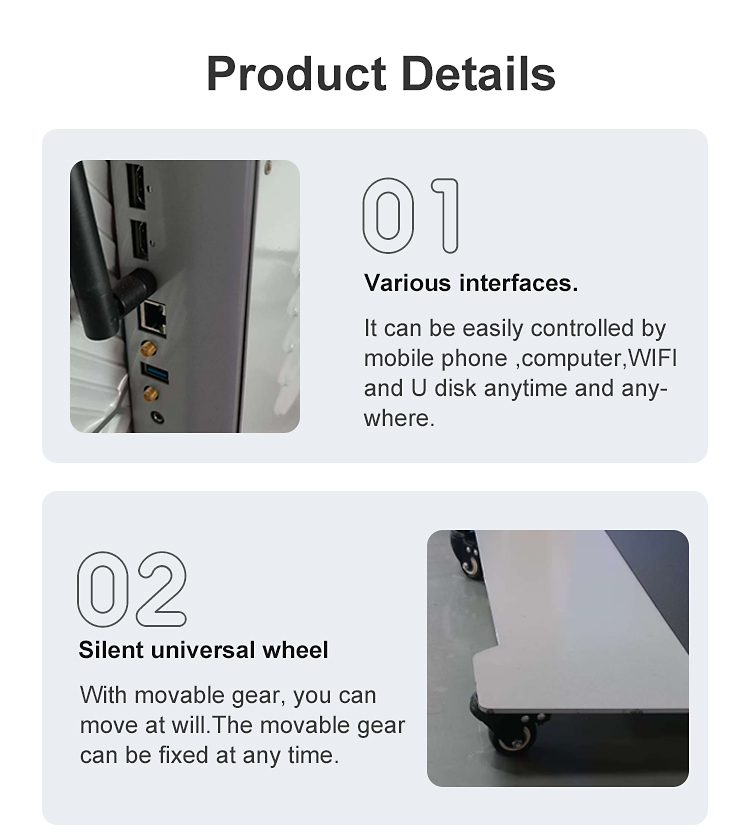
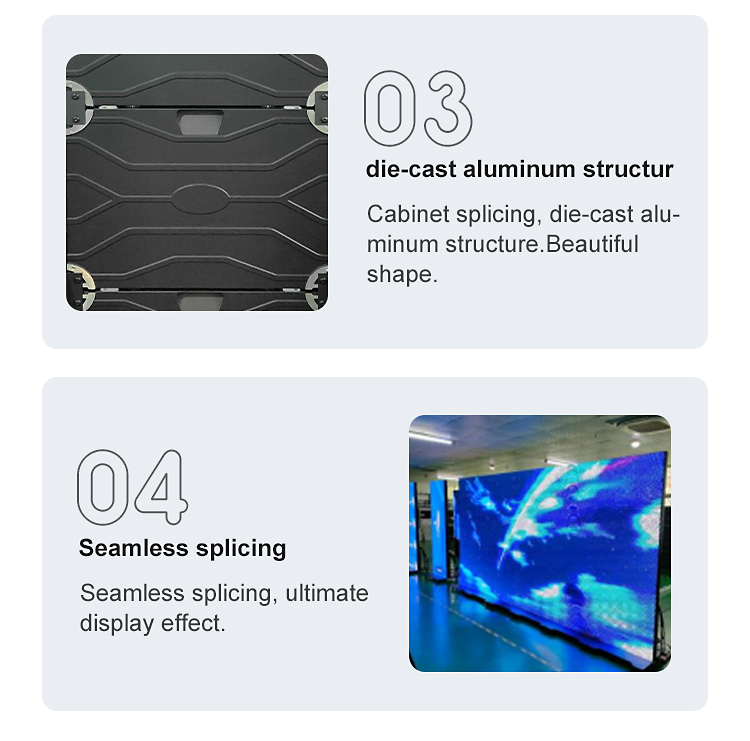
Indoor commercial LED posters mount via multiple configurations: wall-mounted systems utilizing aluminum profile frames, flush-mount installations integrated into retail fixtures, and free-standing floor units. Wall-mounted systems require structural assessment and appropriate reinforcement for units exceeding 30 kilograms.
Clearance planning ensures adequate maintenance access for module replacement and pixel repair, typically requiring 30-50 centimeters of rear clearance. Front-maintenance designs eliminate rear-space requirements, beneficial for space-constrained retail environments.
Electrical and Power Infrastructure
Commercial advertising LED poster displays demand reliable power infrastructure with appropriate load capacity. Typical indoor 640×480mm installations consume 200-600 watts under normal operation, while larger retail installations may require dedicated 20-30 ampere circuits.
Uninterruptible power supply (UPS) systems protect against display shutdown during brief power interruptions, maintaining advertising continuity. Network-connected systems should incorporate backup internet connectivity to ensure content delivery capability during primary connection disruptions.
Network and Connectivity
LED poster systems require reliable network connectivity for content synchronization and remote management. Ethernet connections provide optimal stability for mission-critical retail environments, while wireless solutions offer flexibility for temporary or mobile installations.
Network bandwidth requirements typically remain modest—compressed video streams for single displays consume less than 5 Mbps. However, organizations managing extensive display networks should provision sufficient bandwidth to support simultaneous content updates across multiple locations.
Advantages Over Traditional Advertising Methods
Commercial advertising poster LED displays offer compelling advantages compared to traditional printed signage and older digital display technologies.
Dynamic Content Capability
Unlike printed posters locked into single messages, LED displays enable unlimited content variations without physical replacement. Retailers rotate promotional messaging throughout business hours, adapting to customer traffic patterns and inventory levels. This flexibility maximizes messaging relevance and campaign effectiveness.
Cost Efficiency and Environmental Impact
After initial installation, LED poster advertising eliminates ongoing printing, shipping, and installation expenses associated with traditional posters. Organizations managing hundreds of retail locations realize substantial cost savings through digital distribution versus physical logistics.
LED technology delivers superior energy efficiency compared to older LCD and plasma alternatives, reducing operational electricity costs while advancing environmental sustainability objectives. Modern LED posters consume 200-600 watts—comparable to a residential microwave—yet deliver dramatically larger visual impact than traditional lighting.
Measurable Performance Metrics
Traditional posters provide no feedback regarding audience engagement or campaign effectiveness. LED poster systems capture impression data, viewer demographics, and content interaction metrics, enabling data-driven optimization impossible with static advertising.
Organizations quantify return on investment through engagement metrics, conversion attribution, and sales impact analysis. This transparency supports budget allocation decisions and demonstrates advertising accountability to stakeholders.
Rapid Campaign Execution
Executing retail advertising campaigns with traditional posters requires weeks of design, printing, quality assurance, and physical distribution. LED poster systems compress deployment timelines to hours, enabling rapid response to competitive pressures, inventory changes, and market opportunities.
Technology and Hardware Quality Standards
Professional commercial advertising LED poster displays meet rigorous international quality standards ensuring reliability and performance consistency.
Manufacturing Excellence
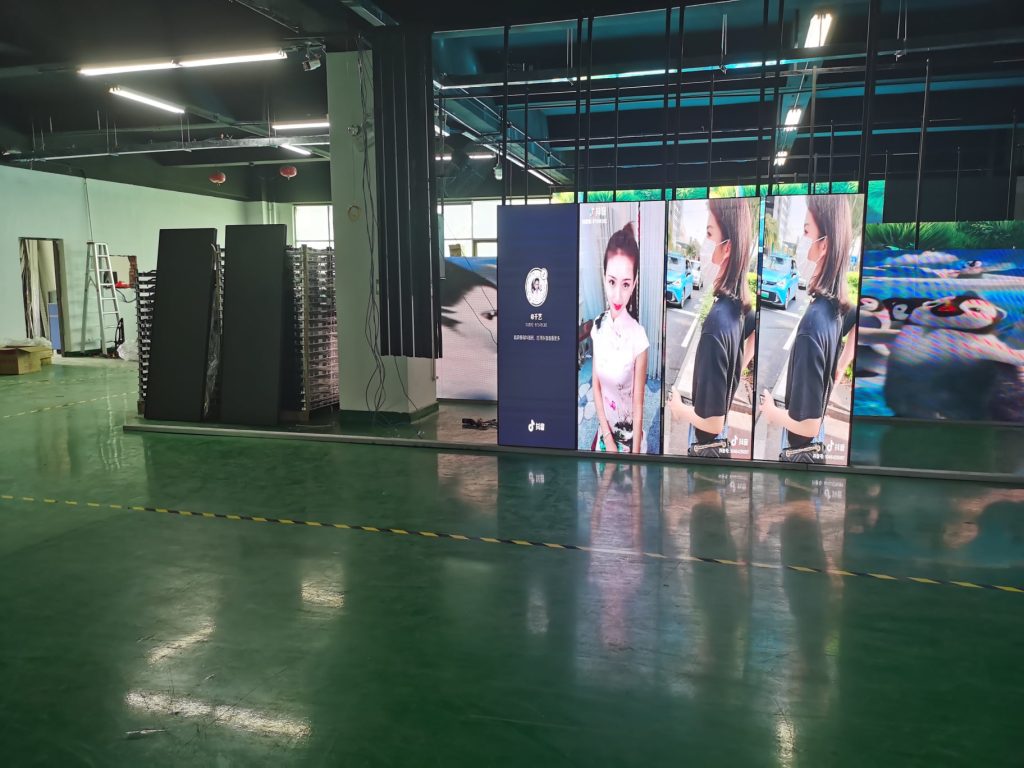
Leading manufacturers operate ISO 9001-certified production facilities with automated SMT (Surface Mount Technology) assembly lines, ensuring consistent component quality and module performance. Modern facilities employ 100% automated optical inspection systems, identifying defects before displays reach customer locations.
Multi-stage quality assurance protocols test modules under extreme environmental conditions—constant temperature and humidity chambers, thermal cycling, salt spray exposure, and drop testing. These comprehensive validation procedures ensure displays withstand real-world retail environments without premature failure.
Certification Standards
Professional commercial LED poster displays carry CE certification confirming electromagnetic compatibility compliance. Additional certifications—including FCC compliance, RoHS certification, and UL standards—verify electrical safety and environmental responsibility across global markets.
These certifications represent manufacturer commitment to quality, safety, and environmental stewardship, protecting retailers from liability exposure and ensuring customer safety around installed equipment.
Installation and Maintenance Best Practices
Proper installation and ongoing maintenance maximize LED poster display lifespan and performance consistency.
Professional Installation
Experienced installation teams assess electrical infrastructure, structural capacity, network connectivity, and environmental conditions before hardware deployment. Professional installers calibrate color accuracy and refresh rates, optimizing visual performance for specific retail environments and lighting conditions.
Documentation and training ensure retail staff understand content update procedures, basic troubleshooting, and appropriate maintenance protocols. This human infrastructure proves as critical as hardware quality for sustained advertising effectiveness.
Preventive Maintenance Programs
Scheduled maintenance—typically quarterly—inspects connections, validates thermal management, and checks power supply functionality. Dust accumulation on modules reduces brightness and color saturation; regular cleaning preserves display quality throughout operational lifespan.
Proactive component replacement prevents unexpected failures during critical advertising periods. Most professional installations maintain spare modules, enabling rapid restoration of display functionality without service delays.
Why Businesses Choose Commercial LED Poster Solutions
Organizations across retail, hospitality, transportation, and corporate sectors adopt LED poster displays based on compelling business advantages.
Brand Differentiation and Customer Experience
Eye-catching LED displays create immersive brand experiences that photograph well for social media, generating organic marketing amplification. Customers photograph impressive retail displays, amplifying brand reach far beyond physical store locations.
Dynamic displays signal brand modernity and sophistication, attracting fashion-forward consumers and supporting premium positioning strategies. The visual impact of well-executed LED poster campaigns creates memorable brand interactions driving customer loyalty.
Operational Flexibility and Scalability
Centralized content management enables consistency across distributed retail networks while accommodating local market customization. Regional managers update pricing, promotions, and product information independently, maintaining brand consistency while responding to local market dynamics.
Scalable platform architecture supports expansion from single-unit deployments to multi-location networks without fundamental system redesign, supporting business growth without technology constraints.
Competitive Advantage and Innovation Leadership
Early-adopter retailers utilizing advanced LED poster technology differentiate from competitors, attracting technology-savvy consumer segments and commanding premium pricing for differentiated customer experiences. Innovation leadership messaging supports brand positioning and attracts investor confidence.
Conclusion
Commercial advertising poster LED display technology represents a fundamental transformation in how businesses communicate with customers. These sophisticated systems deliver dynamic, measurable, data-driven advertising capabilities far exceeding traditional static posters while reducing operational costs and environmental impact.
For retailers, hospitality operators, corporate facilities, and organizations managing consumer touchpoints, LED poster displays offer strategic advantages supporting brand differentiation, customer engagement, and business growth. The convergence of affordable LED technology, sophisticated content management software, and global distribution infrastructure has democratized professional-grade advertising, enabling organizations of all sizes to compete through visual communication innovation.
As consumer expectations evolve toward dynamic, personalized brand experiences, commercial advertising poster LED displays will continue gaining adoption across retail, hospitality, and corporate sectors. Organizations investing in these technologies today position themselves as industry innovators while capturing immediate benefits through improved marketing effectiveness, operational efficiency, and measurable return on advertising investment.
For more information about commercial advertising poster LED display solutions tailored to your specific retail environment, facilities, or industry requirements, visit https://www.userledscreen.com/ to explore comprehensive product specifications, case studies, and implementation guidance from experienced LED display professionals.