
Introduction
The advertising landscape has undergone a dramatic transformation in recent years, with digital technology replacing traditional static signage at an unprecedented pace. Among the most innovative solutions reshaping how businesses communicate with their audiences is the advertising poster LED display—a versatile, high-impact medium that combines cutting-edge technology with practical functionality. Unlike conventional paper posters that fade and require constant replacement, LED poster displays deliver dynamic, vibrant visuals that capture attention and drive engagement in retail environments, shopping malls, hotels, airports, and entertainment venues worldwide.
As competition for consumer attention intensifies, brands recognize that static advertising no longer suffices. According to industry research, outdoor signage receives 400 percent more attention from passersby than traditional static displays, and businesses implementing outdoor LED displays achieve 32 percent higher return on investment compared to competitors relying on conventional signage. This shift toward digital advertising represents not merely a trend but a fundamental evolution in how organizations optimize their marketing investments and communicate brand messages.
Understanding Advertising Poster LED Display: Definition and Core Technology
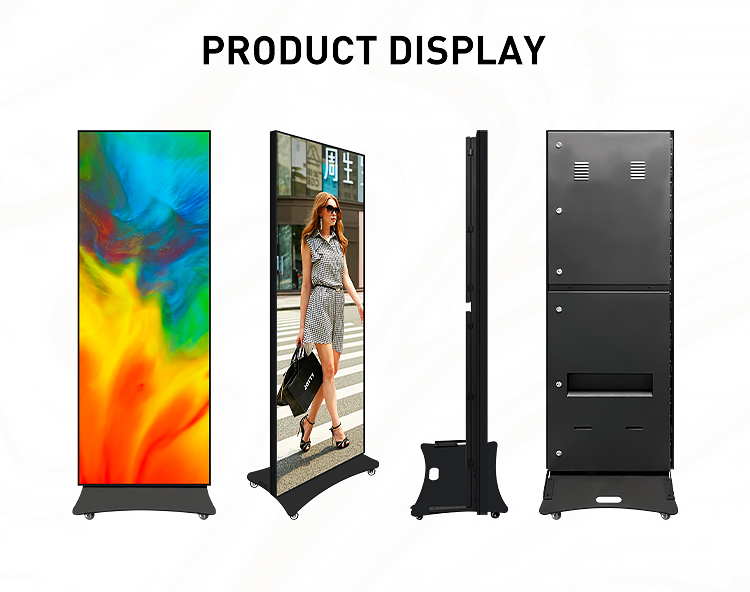
An advertising poster LED display, also known as a digital LED poster, is a high-resolution electronic display system that uses Light Emitting Diodes (LEDs) to project bright, dynamic visuals suitable for promotional and informational purposes. These displays represent a marked advancement over older lighting technologies such as incandescent and neon systems, offering superior brightness, longevity, and energy efficiency while maintaining the compact form factor familiar to traditional poster formats.
At their core, LED poster displays utilize Light Emitting Diodes—semiconductor devices that emit light when electrical current flows through them. The configuration of these diodes determines the display’s resolution, brightness capability, and viewing characteristics. Modern advertising LED poster displays typically incorporate Surface-Mounted Device (SMD) technology, where RGB (red, green, blue) chips are encapsulated into individual lamp beads and soldered to printed circuit boards. This architecture enables fine pixel pitches ranging from P1.2 to P2.5 millimeters for high-resolution applications, supporting crisp visuals suitable for close-range viewing.
Recent innovations have introduced protective enhancements to traditional SMD technology. GOB (Glue-on-Board) technology applies a transparent protective glue layer over SMD modules, significantly enhancing durability while maintaining brightness and visual quality. This advancement addresses a critical concern in challenging environments where dust, moisture, and physical impact pose risks to display longevity.
Key Technical Specifications and Performance Metrics
Selecting the appropriate advertising poster LED display requires understanding several critical performance metrics that directly influence visual quality and operational effectiveness.
Pixel Pitch and Resolution
Pixel pitch—the distance between the centers of adjacent pixels measured in millimeters—represents one of the most consequential specification parameters. This measurement determines the optimal viewing distance and image clarity. LED poster displays offer pixel pitches spanning P1.2 through P2.5 millimeters for indoor and close-range applications.
The relationship between pixel pitch and viewing distance follows a mathematical principle: Viewing Distance (mm) = Pixel Pitch (mm) × 3438. This formula ensures that content remains legible and visually compelling. For example, a P1.8 display suits viewing distances of 6 to 10 meters, while larger pixel pitches accommodate longer viewing distances but with reduced image sharpness.
When selecting pixel pitch, consider the intended viewing environment:
- Ultra-close viewing (< 5 meters): P1 to P5 pixel pitches deliver ultra-fine detail and sharp image quality
- Mid-range outdoor viewing (5–10 meters): P5 to P10 pitches provide balanced sharpness and brightness
- Long-distance viewing (> 10 meters): P10 to P16+ pitches maximize brightness and cost-effectiveness
Brightness and Nits
Brightness, measured in nits (candelas per square meter), determines visibility in various lighting conditions. Standard LED poster displays offer brightness ranging from 1,000 to 5,000 nits depending on configuration and application. Outdoor advertising poster LED display require substantially higher brightness—typically 5,000 to 10,000 nits—to overcome direct sunlight and maintain visibility throughout daylight hours.
Advanced automatic brightness adjustment technology, increasingly standard in modern displays, measures ambient light conditions and dynamically modulates brightness to optimize visibility while reducing energy consumption. This intelligent adaptation contributes both to enhanced viewer experience and operational cost reduction.
Color Reproduction and Contrast
High-quality LED poster displays reproduce colors with precision, essential for brands requiring accurate color matching and visual impact. The RGB color model enables 16.7 million color variations, providing comprehensive visual expression. Superior color uniformity—achieved through precise calibration and quality control during manufacturing—ensures consistent appearance across the entire display surface regardless of viewing angle.
Contrast ratio measures the difference between the brightest whites and darkest blacks a display can render. Higher contrast ratios enhance readability and visual impact, particularly important when displaying text-heavy content or photographic imagery.
Refresh Rate and Gray Scale
Display refresh rate, measured in Hz, indicates how frequently the display updates its image content per second. LED poster displays typically feature refresh rates of 480 to 960 Hz or higher, ensuring smooth video playback and eliminating visible flicker that might cause viewer discomfort. Gray scale—the number of brightness levels a display can render for each color channel—determines tonal gradation smoothness. Modern displays support 14-bit gray scale correction, producing subtle transitions between brightness levels.
Viewing Angle
Viewing angle specifies the maximum angle from which content remains visible and undistorted. Quality LED poster displays achieve horizontal and vertical viewing angles of 140 to 160 degrees, ensuring visibility from diverse vantage points without color shift or brightness degradation.
Applications and Deployment Environments
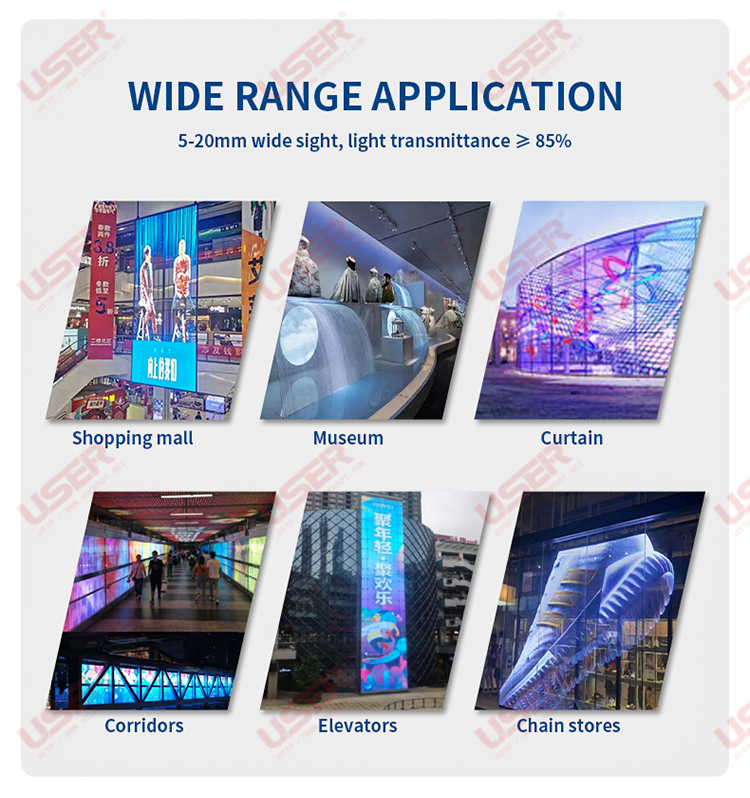
Advertising poster LED displays demonstrate remarkable versatility across numerous commercial and institutional settings, each presenting unique requirements and opportunities for brand engagement.
Retail and Shopping Environments
Retail establishments leverage LED poster displays to transform customer shopping experiences through dynamic product showcasing, promotional announcements, and real-time sales messaging. Unlike static signage, these displays enable retailers to highlight different products throughout the day, adjust messaging based on inventory levels, and create engaging visual experiences that encourage purchasing decisions. Flagship retail locations employ transparent LED poster displays in storefronts to showcase new collections and limited-time promotions with moving visuals that capture pedestrian attention. Shopping mall operators strategically position LED poster displays in high-traffic corridors to announce events, sales promotions, and tenant information while extending customer dwell time through engaging content.
Hospitality and Food Service
Hotels and luxury hospitality venues deploy LED poster displays in lobbies, restaurants, and conference areas to enhance guest experiences and communicate key information. The Four Seasons Hotel in New York, for example, utilizes transparent LED displays in guest-facing areas to showcase exclusive offers and special events while maintaining the sophisticated ambiance expected by premium clientele. Restaurants and food-service establishments employ LED poster displays to promote daily specials, menu updates, and high-definition food photography that stimulates customer interest and increases average transaction values.
Transportation and Airport Operations
Airports represent particularly compelling deployment environments, as these high-traffic facilities provide unparalleled exposure to diverse audiences. Leading airport operators have installed over 150 LED poster and digital displays across terminal areas, integrating them into centralized cloud management systems that enable synchronized, real-time content updates across multiple locations. This infrastructure supports dynamic flight information, promotional campaigns, and way-finding information while generating significant advertising revenue from brand partners.
Events, Exhibitions, and Corporate Settings
Event organizers and corporate entities employ LED poster displays to create immersive brand experiences at trade shows, conferences, and corporate events. These displays serve as attention-capturing focal points that differentiate booth installations and effectively communicate brand messages to concentrated audience demographics. The portability and flexibility of LED poster designs enable rapid deployment and reconfiguration as event requirements evolve.
Entertainment and Cinema
Movie theater operators strategically position LED poster displays in high-traffic areas to showcase upcoming films, trailers, and showtimes. Chains such as AMC and Regal have transformed entrance lobbies with animated posters that generate anticipation and excitement among moviegoers.
Technical Architecture and Component Systems
Comprehensive understanding of LED poster display systems requires familiarity with the essential components that work in concert to deliver reliable performance.
LED Modules and Light Sources
LED modules constitute the fundamental building blocks of display systems. Each module contains thousands of individual LEDs organized in arrays that collectively form pixels and images. High-quality modules utilize premium LED chips—commonly sourced from manufacturers such as NationalStar—that deliver superior brightness, consistency, and wide viewing angles.
The choice between SMD and GOB technology represents a critical architectural decision. SMD (Surface-Mounted Device) technology encapsulates individual RGB chips in lamp beads, offering flexibility, cost-effectiveness, and ease of component-level repair. GOB (Glue-on-Board) technology applies a protective transparent glue layer over SMD modules, providing exceptional durability against dust, moisture, and physical impact while simultaneously improving visual uniformity and color quality by converting point light sources into continuous surface light sources. This advancement makes GOB-equipped displays particularly suitable for outdoor and high-traffic public environments.
Driver ICs and Control Electronics
Precision driver integrated circuits manage electrical current distribution to LED elements, ensuring color accuracy and brightness consistency across the display. Leading manufacturers employ premium driver ICs such as MBI5124, ICN2037, and ICN2053, which deliver peak performance and stable image production.
Power Supply Infrastructure
Robust power supply units (PSUs) provide necessary electrical power while maintaining voltage stability and efficiency. Advertising LED poster displays typically require AC 100-240V operation with 50-60 Hz frequency conversion. Quality power supplies include multiple protection features preventing damage from voltage surges, thermal overload, and short circuits.
Mounting and Cabinet Systems
Aluminum or die-cast aluminum cabinets house LED modules and control electronics while providing structural support and thermal management. Modern designs emphasize lightweight construction without compromising durability, enabling flexible installation options from wall-mounting to freestanding deployment. Adjustable mounting angles (-10° to +15°) permit optimization of viewing geometry for specific installation environments.
Remote Management and Content Control Systems
Contemporary advertising poster LED display incorporate sophisticated cloud-based management platforms that revolutionize how organizations control, monitor, and optimize their advertising infrastructure. These intelligent systems transform passive displays into dynamic, responsive communication channels.
Nova Cloud Platform Architecture
Leading display management platforms such as Novastar’s Nova system exemplify the sophistication available in modern control infrastructure. These platforms enable complete campaign management from centralized dashboards, supporting:
Remote Control and Scheduling: Content managers can update displays remotely via cloud-connected devices—smartphones, tablets, or computers—without requiring on-site technicians. Scheduled playback features enable automatic content changes at specified times, ensuring timely delivery of promotional messages aligned with sales events, meal periods, or traffic patterns.
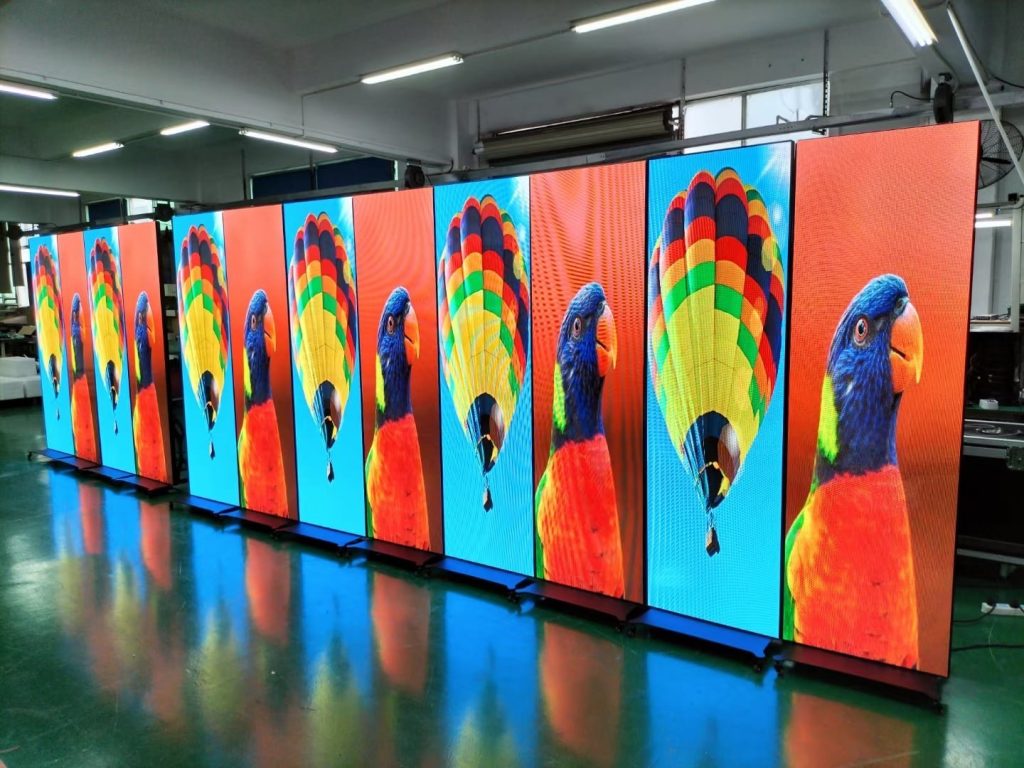
Multi-Screen Splicing and Zone Control: Individual LED poster displays can be seamlessly spliced together to create panoramic or extended-height displays, while advanced software divides single screens into multiple content zones, enabling simultaneous display of different promotional messages or real-time information feeds.
Centralized Cluster Publishing: Organizations managing multiple displays across distributed locations benefit from centralized publishing systems that deploy content across entire networks from single dashboards. This capability proves invaluable for restaurant chains, retail networks, and transportation authorities maintaining consistent messaging across hundreds of displays.
Intelligent Monitoring and Diagnostics: Cloud platforms provide proactive system health monitoring, generating alerts for potential issues and enabling remote adjustment of brightness, power status, and playback settings. Detailed fault logs and historical performance data support predictive maintenance, reducing unexpected downtime and preserving advertising ROI.
Data-Driven Precision Marketing: Integration with big data platforms enables highly targeted content delivery based on audience demographics, temporal patterns, and behavioral data. This capability transforms LED displays from one-way broadcast channels into responsive marketing systems that adapt messaging to specific audience segments and times of day.
Connectivity and Network Integration
Modern LED poster displays connect to management infrastructure via multiple pathways—Wi-Fi, 4G mobile networks, or hardwired Ethernet—eliminating dependency on messy cabling and enabling rapid deployment in diverse environments. This connectivity flexibility permits rapid installation without extensive IT infrastructure modifications.
Installation, Setup, and Maintenance Considerations
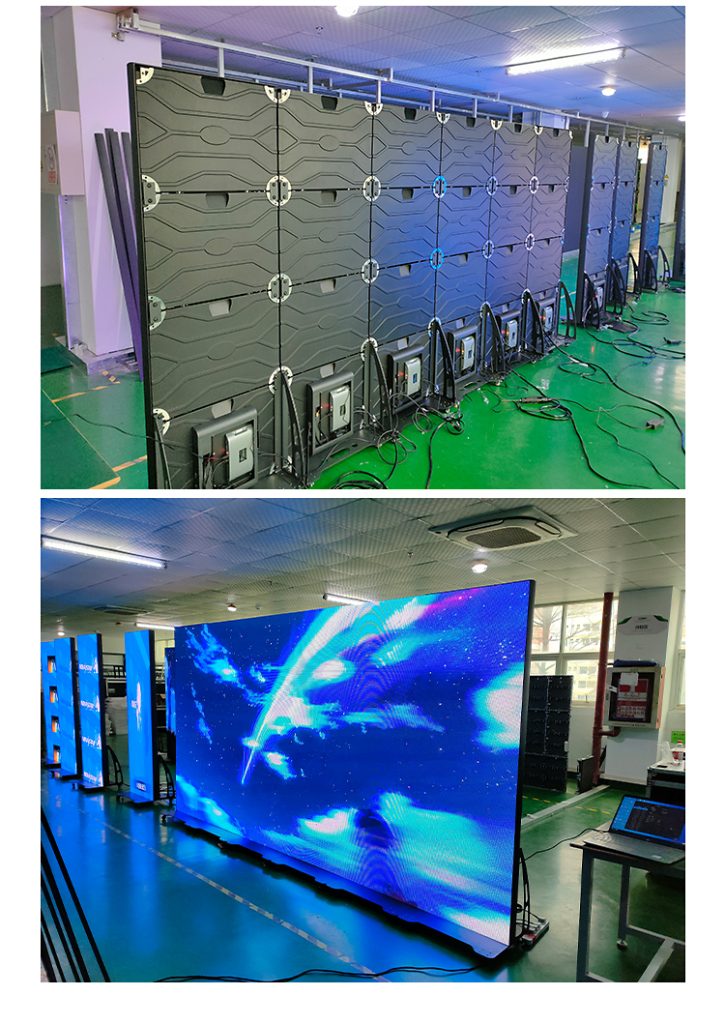
Understanding the practical realities of LED poster display deployment—including installation requirements, setup procedures, and maintenance needs—enables organizations to accurately forecast total cost of ownership and operational demands.
Installation Requirements and Professional Services
Professional installation services ensure optimal structural support, electrical safety, and system calibration. Installation costs typically range from $500 to $3,000 per square meter depending on display size, structural complexity, site accessibility, and permitting requirements. Complex installations requiring custom engineering or specialized structural mounting may exceed these baseline estimates.
Most LED poster displays can achieve basic operational status within 10 minutes of physical installation, though full system integration with content management platforms and local IT infrastructure may require several hours. Professional installers handle calibration procedures that ensure color accuracy, brightness uniformity, and system optimization.
Lifespan and Operational Longevity
High-quality LED poster displays demonstrate exceptional operational longevity, typically exceeding 100,000 hours of continuous service. This extended lifespan—equivalent to 11+ years of continuous operation or 20+ years of typical 8-hour daily usage—substantially exceeds traditional signage options and contributes to favorable long-term economics.
LED technology’s longevity emerges from fundamental physical advantages. Unlike incandescent bulbs that gradually dim as filaments degrade, LEDs maintain relatively consistent brightness throughout operational lifespans. However, environmental factors and operational practices influence actual lifespan realization. Continuous operation at maximum brightness accelerates LED aging through thermal stress. Modern brightness management systems that automatically adjust output based on ambient lighting conditions help preserve component longevity while reducing energy consumption.
Environmental Protection and IP Ratings
IP (Ingress Protection) ratings quantify a display’s resistance to dust and water penetration. The IP65 rating—standard for outdoor and semi-outdoor advertising displays—indicates complete dust protection and resistance to water jets from any direction without harmful effects. This protection level proves adequate for typical outdoor environments but may require upgrading to IP66 or IP67 in extreme conditions such as coastal areas experiencing salt spray or regions prone to heavy rainfall.
IP65-rated displays withstand harsh environmental conditions while maintaining reliable performance. Supplementary features enhancing outdoor suitability include UV-protective coatings preventing material degradation from prolonged sun exposure, corrosion-resistant aluminum chassis resisting salt air and moisture, and sophisticated heat dissipation designs that prevent thermal stress-induced component failures.
Maintenance Requirements and Cost Structure
LED poster display maintenance encompasses three principal cost categories: preventive maintenance, corrective repairs, and long-term depreciation.
Preventive Maintenance: Regular cleaning prevents dust accumulation that impedes heat dissipation and potential component damage. Professional cleaning services typically cost tens of dollars per occurrence but prevent far costlier repairs. Regular inspection of electrical connections, circuit board integrity, and driver IC performance identifies emerging issues before they escalate into complete system failures.
Corrective Maintenance: LED module failures require component-level replacement (tens to hundreds of dollars), while control card failures involving reconfiguration and system integration may cost hundreds to thousands of dollars. Drive circuit damage typically necessitates professional intervention and potentially complete module replacement.
Depreciation Costs: Equipment depreciates over time, with annual depreciation calculated as total investment divided by expected useful life. Strategic maintenance extending operational lifespan from 10 to 15 years reduces annual depreciation costs proportionally.
Overall, annual maintenance budgets typically represent 5% of total system investment, significantly lower than perceived and delivering favorable long-term economics.
Environmental Sustainability and Green Benefits
Advertising poster LED displays represent environmentally responsible alternatives to traditional signage, offering substantial sustainability advantages that align with corporate environmental objectives.
Energy Efficiency and Power Consumption Reduction
LED technology consumes approximately 80% less energy than older lighting systems including incandescent and neon technologies. This dramatic efficiency improvement emerges from fundamental physical advantages of semiconductor light generation—LEDs directly convert electrical current into light with minimal thermal waste, whereas incandescent systems waste substantial energy as heat.
Modern LED poster displays feature average power consumption of 160-550 W/m² depending on brightness settings and display configuration. Transparent LED displays achieve even greater efficiency, reducing energy usage by up to 30% compared to traditional solid LED billboards.
This energy efficiency translates directly to reduced operational costs and environmental impact. Lower electricity consumption reduces demand on power grids, minimizing stress on generation infrastructure and diminishing greenhouse gas emissions associated with electricity production.
Extended Lifespan and Reduced E-Waste
The 100,000+ hour operational lifespan of LED displays generates far less electronic waste than alternatives requiring frequent replacement. Each display avoided extends equipment lifecycles by years or decades, reducing manufacturing, shipping, and disposal impacts. Over 10-15 year periods, a single long-lived LED installation eliminates the waste equivalent of 3-5 replacement cycles of shorter-lived signage systems.
Reduced Carbon Footprint
Combining superior energy efficiency with extended operational lifespan produces substantial carbon reductions. LED signage systems generating electricity from lower-carbon sources can achieve carbon-neutral operation over extended deployment periods.
Elimination of Hazardous Materials
Unlike traditional neon signs containing toxic mercury and other hazardous gases, LED displays contain no toxic substances, eliminating environmental and health risks associated with disposal and recycling. This characteristic simplifies end-of-life recycling and aligns installations with increasingly stringent environmental regulations.
Paperless Advertising and Waste Elimination
LED poster displays eliminate the need for printed promotional materials—posters, banners, and color-printed advertisements. Traditional advertising generates substantial paper, ink, and packaging waste throughout production, shipping, and disposal cycles. Digital displays enable unlimited campaign iterations without any material waste, supporting circular economy principles.
Light Pollution Mitigation
Modern LED poster displays incorporate intelligent brightness adjustment that responds to ambient lighting conditions, minimizing unnecessary light output during low-light periods. This capability reduces light pollution that interferes with ecosystems and human circadian rhythms, particularly important in densely populated urban environments.
Return on Investment and Financial Performance
Quantifying the financial performance of advertising poster LED display investments requires analyzing both direct revenue opportunities and operational cost reductions against hardware and installation expenses.
Revenue Enhancement and Engagement Metrics
Research demonstrates that interactive LED advertising achieves conversion rates 47% higher than traditional static advertising methods. In retail environments, strategic placement of LED displays in high-traffic zones increases customer engagement with featured products and promotional messages. Nielsen research findings indicate that 56% of consumers recognize digital billboards as standing out more prominently than online advertisements, translating to superior brand recall and improved purchasing behavior.
Return Timeline
Case studies across hospitality, retail, and entertainment sectors reveal that organizations typically achieve return on investment within 2-5 years through cost savings and revenue enhancement. This timeline varies based on:
- Initial hardware and installation investment
- Content management and operational efficiency
- Revenue-generating advertising volume
- Operating hours and depreciation schedules
- Maintenance and support requirements
For revenue-generating applications such as airport advertising, retail displays, and hospitality venues, ROI timelines often compress to 2-3 years due to continuous advertising revenue streams.
Competitive Advantages and Market Differentiation
Advertising poster LED displays provide multiple competitive advantages beyond basic communication functionality, enabling organizations to differentiate from competitors and optimize customer experiences.
Dynamic Content and Real-Time Updates
Unlike static signage requiring physical replacement, LED displays enable instantaneous content updates responding to:
- Inventory levels and product availability
- Time-based promotions and happy hour announcements
- Weather-responsive messaging
- Event schedule modifications
- Personalized content based on customer demographics and dwell time analysis
This agility enables marketing teams to optimize messaging in real-time, capitalizing on emerging opportunities and responding to competitive threats with unprecedented speed.
Interactive Engagement Features
Modern LED displays increasingly incorporate touch capabilities and QR code integration, transforming passive viewers into active participants. Touch-screen interactive displays enable customers to explore additional product information, view videos, or participate in promotional campaigns—deepening engagement and generating valuable first-party data for marketing teams.
Brand Differentiation and Visual Impact
In competitive retail and hospitality environments, sophisticated LED displays signal brand modernity and technological sophistication. The visual impact of high-resolution displays with vibrant color reproduction and dynamic motion attracts customer attention far more effectively than traditional signage, creating memorable brand experiences that drive loyalty and repeat visitation.
Market Trends and Future Developments
The advertising poster LED display market continues evolving with emerging technologies and shifting consumer preferences.
Advanced Panel Technologies
Innovations in chip-on-board (COB) and microLED technologies promise even finer pixel pitches, enabling ultra-high-resolution displays suitable for close viewing distances. These emerging technologies support pixel pitches below 1mm, potentially enabling photorealistic image quality previously impossible with conventional SMD technology.
Transparent LED Displays
Transparent LED display technology—enabling displays that maintain 62% or greater optical transparency—opens entirely new application opportunities in retail windows, glass facades, and architectural installations. This technology combines advertising capability with unobstructed views of behind-display environments, ideal for high-end retail showcasing product displays or hospitality venues preserving architectural aesthetics.
Flexible and Curved Configurations
Emerging manufacturing techniques enable LED display systems with curved and flexible form factors, supporting sculptural installations and non-rectangular configurations. This design flexibility opens new creative possibilities for experiential marketing and artistic installations.
AI-Driven Content Optimization
Machine learning algorithms increasingly optimize advertising content based on real-time audience demographics, emotional responses measured through computer vision, and behavioral patterns. This evolution transforms LED displays from static content channels into dynamic, responsive systems that autonomously adjust messaging for maximum impact.
Selecting the Right Advertising Poster LED Display
Choosing appropriate LED display systems requires careful evaluation of multiple technical and commercial factors aligned with specific use cases and environments.
Assessment Framework
- Define Target Viewing Distance and Audience: Determine the distance from which primary audiences will view content. This measurement directly influences required pixel pitch—smaller pitches for closer viewing, larger pitches for distance viewing.
- Evaluate Environmental Conditions: Assess exposure to rain, salt spray, dust, temperature extremes, and light pollution. These factors determine required IP ratings and protective technologies.
- Specify Resolution and Content Requirements: Determine whether content emphasizes high-definition photography/video or primarily text and graphics. This assessment influences pixel pitch selection and brightness specifications.
- Project Installation Complexity: Consider structural requirements, electrical infrastructure availability, and ease of installation. Complex installations requiring custom engineering increase both costs and timelines.
- Analyze Budget and ROI Timeline: Balance upfront investment against expected revenue generation or advertising value over 5-10 year deployment horizons. Longer deployment periods justify higher initial investments in premium systems with superior longevity.
- Evaluate Content Management Requirements: Determine whether centralized cloud management across multiple displays or simple standalone operation best serves organizational needs. This assessment influences both software selection and ongoing operational costs.
- Assess Maintenance Capabilities: Evaluate internal technical resources for routine maintenance and support. Organizations lacking technical staff should factor professional service agreements into total cost planning.
Conclusion
Advertising poster LED displays represent a fundamental evolution in how organizations communicate brand messages and engage audiences in retail, hospitality, transportation, and entertainment environments. These sophisticated systems combine cutting-edge LED technology with intelligent content management platforms, enabling dynamic, responsive communication that traditional signage cannot match.
The economics increasingly favor LED display adoption. Superior energy efficiency reduces operational costs by 80% compared to legacy technologies. Extended 100,000+ hour lifespans minimize replacement frequency and electronic waste. Rapid content updates enable real-time marketing optimization and revenue generation impossible with static signage. Cloud-based management systems enable centralized control of distributed display networks with remote diagnostics and predictive maintenance.
Beyond financial considerations, LED displays support organizational sustainability objectives through energy efficiency, reduced material waste, and elimination of hazardous substances. They create memorable customer experiences through vibrant visuals and interactive engagement opportunities that strengthen brand loyalty and drive measurable business outcomes.
For organizations seeking to enhance customer engagement, optimize advertising effectiveness, and project technological sophistication, advertising poster LED display represent investment decisions delivering attractive returns measured in both financial performance and competitive differentiation. As technology continues advancing and costs moderate, these systems will increasingly become standard infrastructure in customer-facing environments globally.